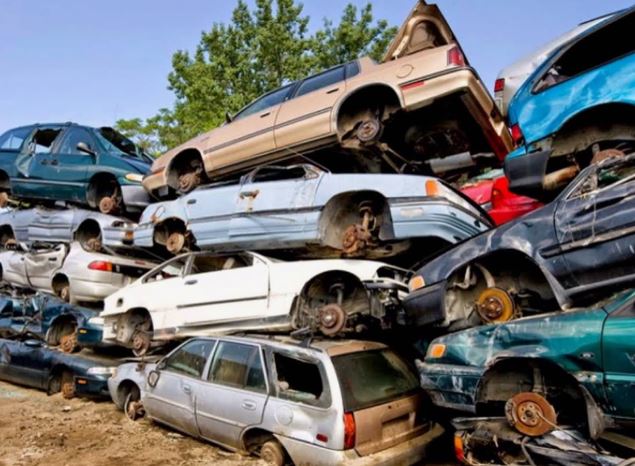
As environmental concerns continue to grow worldwide, industries are being encouraged to adopt more sustainable practices. The automotive sector is one area where significant progress has been made through vehicle wrecking and recycling. While many people view old, damaged, or unwanted vehicles as waste, they actually contain valuable materials that can be recovered, reused, and returned to the manufacturing cycle. Vehicle wrecking plays a critical role in sustainable material recovery by reducing landfill waste, conserving natural resources, and minimizing environmental impact.
Understanding Vehicle Wrecking
Vehicle wrecking is the process of dismantling end-of-life vehicles to recover usable parts and recyclable materials. When a vehicle reaches the end of its operational life due to age, accident damage, or mechanical failure, wrecking facilities carefully inspect and dismantle it. Components that remain in good condition are removed for resale, while materials such as steel, aluminum, copper, plastic, and rubber are separated for recycling.
This process ensures that valuable resources are not wasted and that fewer materials end up in landfills. Modern vehicle wrecking facilities follow environmentally responsible practices to maximize recovery rates and minimize waste.
Reducing Landfill Waste
One of the most significant environmental benefits of vehicle wrecking is the reduction of landfill waste. Every vehicle contains thousands of components made from various materials. Without proper recycling, these materials would occupy valuable landfill space and potentially release harmful substances into the environment.
By dismantling vehicles and recovering reusable materials, wreckers prevent large volumes of waste from being discarded. Metals, plastics, glass, and rubber can often be processed and reused in manufacturing industries, significantly reducing the amount of automotive waste entering landfill sites.
Conserving Natural Resources
Manufacturing new automotive materials requires substantial amounts of raw resources. Mining iron ore for steel production, extracting bauxite for aluminum, and obtaining copper from mining operations all consume energy and impact ecosystems.
Vehicle wrecking helps conserve these resources by recovering existing materials from old vehicles. Recycled metals can be melted down and used in the production of new vehicles, construction materials, appliances, and industrial products. This reduces the demand for virgin resources and helps preserve natural reserves for future generations.
Energy Savings Through Recycling
Producing materials from recycled sources typically requires less energy than manufacturing them from raw materials. Steel recycling, for example, uses significantly less energy compared to producing steel from iron ore. Aluminum recycling provides even greater energy savings.
Vehicle wrecking facilities contribute to these efficiencies by supplying recyclable materials back into the production chain. As a result, industries can reduce energy consumption, lower production costs, and decrease greenhouse gas emissions associated with material manufacturing.
Extending the Life of Automotive Parts
Not every component in an end-of-life vehicle is unusable. Many parts remain functional and can serve vehicle owners for years after the original vehicle is retired. Engines, transmissions, alternators, suspension components, mirrors, doors, and electronic modules are commonly recovered and resold.
Businesses such as 4WD Wreckers Brisbane play an important role in this process by supplying quality used parts for four-wheel-drive vehicles. By providing access to recycled automotive components, wreckers help extend the lifespan of existing vehicles while reducing the demand for newly manufactured parts. This creates both environmental and economic benefits for consumers and the automotive industry.
Preventing Environmental Contamination
Old vehicles contain fluids and substances that can be harmful if not handled properly. Engine oil, coolant, brake fluid, transmission fluid, fuel, and battery acids all require careful management. If abandoned or improperly disposed of, these substances can contaminate soil, waterways, and groundwater systems.
Professional vehicle wrecking facilities follow strict procedures to safely remove and process these materials. Hazardous fluids are drained, stored, and disposed of according to environmental regulations. Batteries are recycled, and potentially dangerous substances are managed responsibly. This helps protect ecosystems and public health while supporting sustainable waste management practices.
Supporting the Circular Economy
The concept of a circular economy focuses on keeping materials in use for as long as possible. Instead of following a traditional “take, make, dispose” model, a circular economy emphasizes reuse, repair, refurbishment, and recycling.
Vehicle wrecking aligns perfectly with these principles. Components are reused, materials are recycled, and resources are kept within the economic cycle rather than being discarded. This approach reduces waste generation and promotes more sustainable manufacturing systems.
As governments and industries increasingly prioritize sustainability, vehicle wrecking has become an essential part of achieving circular economy goals within the automotive sector.
Economic Benefits of Material Recovery
Sustainable material recovery does not only benefit the environment; it also creates economic opportunities. Vehicle recycling generates employment in dismantling, processing, transportation, manufacturing, and parts distribution sectors. The recovered materials support numerous industries while reducing raw material costs.
Programs that offer cash for old cars Sunshine Coast also encourage responsible vehicle disposal. Instead of abandoning unwanted vehicles, owners are motivated to sell them to recycling facilities where valuable materials can be recovered and reused. This creates a practical solution for vehicle owners while supporting sustainable resource management.
Reducing Carbon Emissions
The extraction, transportation, and processing of raw materials contribute significantly to carbon emissions. By using recycled materials recovered through vehicle wrecking, industries can reduce the environmental footprint associated with manufacturing processes.
Every ton of recycled steel, aluminum, and other metals represents a reduction in emissions compared to producing those materials from virgin resources. As more vehicles are recycled and more materials are recovered, the cumulative environmental benefits become increasingly substantial.
The Future of Sustainable Vehicle Recycling
As vehicle technology evolves, the importance of efficient recycling systems will continue to grow. Electric vehicles, advanced electronics, and new lightweight materials present both challenges and opportunities for the recycling industry. Modern wrecking facilities are investing in technologies that improve material recovery rates and enhance environmental performance.
The future of sustainable transportation depends not only on cleaner vehicles but also on responsible end-of-life management. Vehicle wrecking facilities will remain vital contributors to resource conservation, waste reduction, and environmental protection.
Conclusion
Vehicle wrecking is far more than simply dismantling old cars. It is a critical process that supports sustainable material recovery, conserves natural resources, reduces landfill waste, prevents environmental contamination, and promotes the circular economy. Through the recovery of reusable parts and recyclable materials, the automotive recycling industry helps create a more sustainable future.
Whether through specialized businesses like 4WD Wreckers Brisbane or services offering cash for old cars Sunshine Coast, responsible vehicle recycling ensures that valuable resources remain in circulation rather than becoming waste. As environmental awareness continues to increase, vehicle wrecking will play an even greater role in supporting sustainable development and resource conservation worldwide.