Deep psychological wounds frequently do not heal, despite the human mind’s amazing ability to withstand traumatic events. Talk therapy and daily medication have been the mainstays of traditional mental health therapies for decades, controlling crippling symptoms. Of doubt, conventional psychiatric treatments do save lives but they are more band-aid fixes than lasting remedies. But this terrain is in dramatic flux. Scientists are increasingly researching the altered states of consciousness generated by compounds that offer deeply intriguing techniques to quiet acute emotional distress. The strategy is daring and contentious, but the outcome might be a radical rethink of mental health care. For those who feel completely trapped by their prior experiences and are looking for a real road toward long-lasting emotional recovery, this therapeutic evolution provides new hope.
The Ancient Roots Meet Modern Scientific Research
Indigenous civilizations utilized sacred plants to heal the human soul and restore community harmony long before the invention of modern laboratories. Modern medicine does not view emotional suffering the same way these tribes viewed it. They did not blame it on any physical imbalance. They considered mental suffering as a more basic, more profound estrangement from self and from the surrounding group, requiring a full social cure. By observing how these drugs interact with human neural pathways in clinical studies, researchers are now confirming this age-old understanding.
According to contemporary brain imaging, these substances momentarily silence the default mode network, the particular area of the brain in charge of introspection and recurrent negative thought patterns. The brain creates entirely new connections when this region is at rest, enabling trapped memories to emerge without the typical strong terror reaction. People have a rare opportunity to securely rewrite their narratives within this window of neurological plasticity.
How Altered States Rewrite Internal Fear Narratives
By putting the nervous system in a constant state of high alert, trauma alters the biochemistry of the brain. A person who has gone through significant distress frequently lives in survival mode all the time, experiencing intense emotional panic in response to everyday stressors. By reducing the activity of the amygdala, the brain’s main warning mechanism, psychedelic drugs momentarily change this defensive stance.
People often recall traumatic experiences during a guided session from a place of deep compassion and safety rather than fear. Instead of seeing their past experiences as current threats, they see them as objective narratives. This shift allows the brain to tackle emotional obstacles that have built up over time, which standard talk therapy may take years to resolve. The painful emotional charge that causes everyday agony significantly diminishes, yet the memory persists.
The Indispensable Role of Guided Emotional Integration
Psychedelics are just one element of a much bigger puzzle when it comes to mental well-being. Jumping into these powerful states without a map can be intimidating; therefore, it’s very important to have skilled, impartial direction. Treat this guide as a grounding for the full experience. It takes those raw, messy feelings and makes them bearable. The main work is done between sessions, in silent preparation and in the patient, methodical integration that follows. And thus, transient ideas gradually take hold quietly becoming persistent everyday change. Of course it takes a little time, but that is the point. Of course, the process takes time, but that is exactly the point. The insights acquired during an altered state can swiftly evaporate like a brilliant morning dream in the absence of systematic integration.
To convert significant psychological experiences into useful everyday routines, integration sessions entail speaking with a qualified specialist. Therapy helps people with complex symbols, deep feelings, or unexpected revelations. With this close association, changes in the brain produce permanent changes in behavior, thinking, and day-to-day interactions. Investigating psychedelic therapy in Toronto provides people looking for structured support access to qualified facilities devoted to this meticulous integration procedure.
Navigating Medical Safety and Ethical Clinical Standards
Swiftly increasing public interest necessitates the maintenance of high clinical standards to ensure the safety of vulnerable individuals. These are effective psychological tools that need to be screened carefully to prevent adverse effects in some populations. Due to medical hazards, people with certain cardiovascular diseases or a history of psychosis should generally avoid these rigorous therapies.
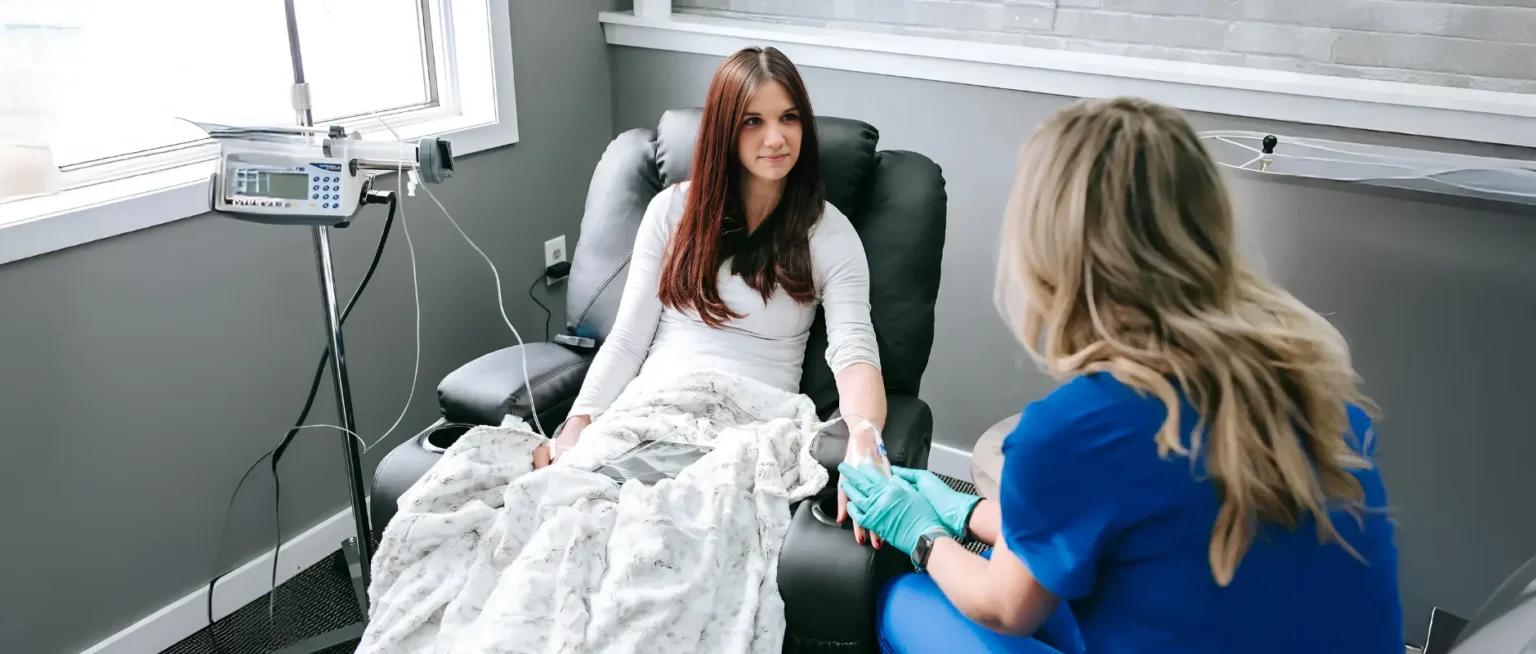
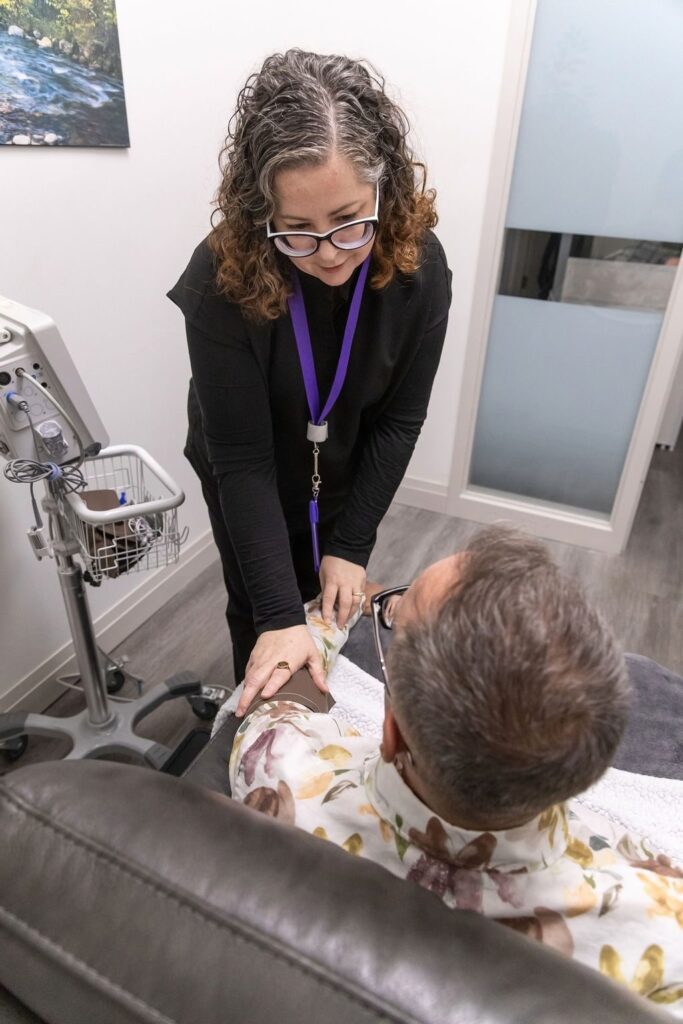
Ethical treatment facilities place a high value on careful planning and provide a quiet, regulated setting for each session. Throughout the trip, certified specialists monitor vital indicators and provide constant emotional support. The medical community makes sure that patient safety is always the top priority by addressing these substances as important medical procedures rather than as recreational activities.
Conclusion: A Professional Path Forward in Mental Wellness
Holistic approaches that respect the relationship between the mind and body are becoming more prevalent in the future of mental health care. The therapeutic promise of these treatments is indisputable, even though there are still issues with public education and broad accessibility. This developing discipline offers a welcome path to true emotional liberation for many who believe that conventional solutions have failed.If you are considering this deep healing route, working with trained professionals guarantees a safe and regulated journey. Professionals such as Ketamind Health give therapeutic care using state-of-the-art methods to aid those with severe emotional trauma and treatment-resistant depression. They are a wonderful option for thorough psychological healing since their skilled staff provides compassionate, evidence-based procedures in a safe medical setting.