Landscaping work looks simple from the outside. Move some dirt. Clear some debris. Level the area. Done.
But anyone who has actually worked on a job site knows it’s never that clean.
There are rocks, roots, uneven soil, leftover materials, and small details that decide whether the finished project looks professional or rushed. That’s where attachment choice starts making a real difference.
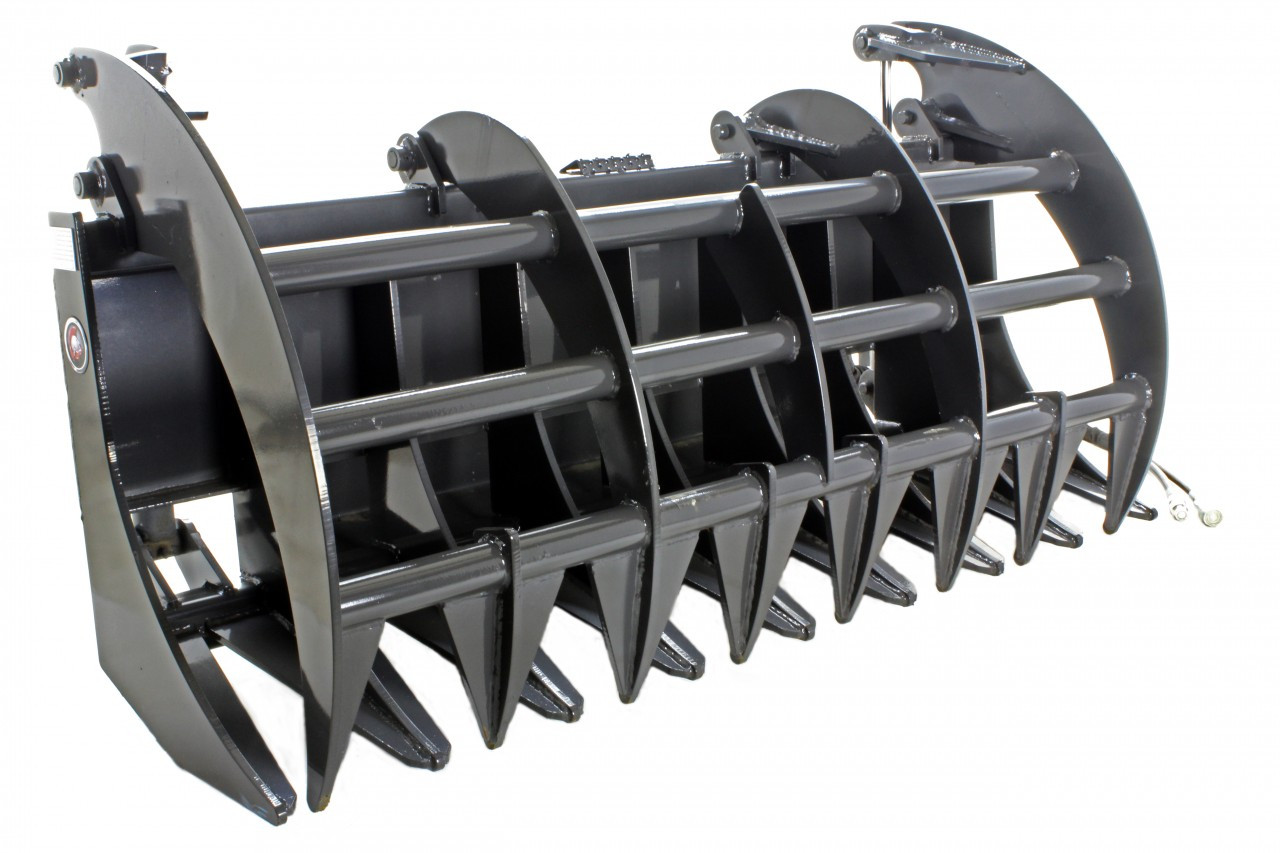
A lot of landscape contractors eventually move beyond basic buckets and start looking at tools that give them more control. A mini excavator rake attachment is one of those tools that can completely change how grading and cleanup jobs are handled.
And honestly, once operators see how much time it saves, going back to a standard bucket can feel frustrating.
Why Buckets Are Not Always the Best Choice for Landscaping Work
Buckets are useful. No question.
They’re one of the most common attachments because they handle a lot of basic tasks:
- Digging
- Moving soil
- Loading material
- General excavation
But grading and cleanup are different.
A bucket moves material. It doesn’t really separate it.
When you’re trying to create a clean finish, a bucket can leave behind:
- Rocks
- Roots
- Debris
- Uneven chunks of soil
Then someone has to come back and fix it manually.
That extra labor adds up.
How a Mini Excavator Rake Attachment Helps With Grading
The biggest advantage of a rake attachment is control.
Instead of scooping everything together, a rake lets operators work through the surface layer. It can pull, level, and separate material at the same time.
For landscape contractors, that means better results on jobs like:
- Preparing garden areas
- Cleaning up after excavation
- Leveling rough ground
- Removing surface debris
You’re not just moving dirt around randomly. You’re shaping the area.
That matters when customers are expecting a finished-looking property.
Cleanup Jobs Become Faster and More Efficient
Cleanup is where rake attachments really stand out.
After clearing a site, there’s usually a mix of everything. Small rocks, branches, roots, loose material. A bucket can grab some of it, but it also carries unwanted material along.
A rake works differently.
It lets finer material fall through while holding onto larger debris.
Less sorting. Less rework.
For contractors running multiple projects, those small time savings turn into real productivity.
Why Landscape Contractors Prefer Precision Over Just Power
A common mistake is thinking bigger or stronger is always better.
Not always.
A powerful machine with the wrong attachment can still be inefficient.
Landscape work usually requires precision. You’re working around finished areas, existing plants, structures, and customer property.
A mini excavator attachment like a rake gives operators more control compared to using a bucket for every task.
It’s not about replacing the bucket completely. It’s about using the right tool at the right time.
Rakes Are Great for Soil Preparation
Before planting, installing lawns, or creating outdoor spaces, soil preparation matters.
A rake attachment helps break up rough areas and clean the surface before final grading.
It’s useful for:
- Removing small rocks
- Spreading loose soil
- Preparing planting areas
- Cleaning uneven ground
This reduces manual cleanup and helps crews finish projects faster.
And faster completion means more jobs during the season.
Where Rakes Make More Sense Than Buckets
There are certain situations where the difference becomes obvious.
A bucket works best when you need to:
- Dig deep
- Transport heavy material
- Load trucks
A rake works better when you need to:
- Clean surfaces
- Remove debris
- Prepare soil
- Improve grading quality
Trying to force one attachment to do everything usually leads to slower work.
Experienced operators know this.
Choosing the Right Mini Excavator Attachment for the Job
Not every rake attachment is built the same.
Before buying, contractors should think about:
- Machine size compatibility
- Attachment width
- Build quality
- Tooth design
- Job requirements
A small residential landscaping company may need something different compared to a commercial contractor handling large properties.
The right attachment should match the work you actually do.
That’s why companies like Spartan Equipment focus on building attachments that can handle real jobsite conditions, not just look good in a product photo.
Maintenance Tips to Keep Your Rake Working Longer
Even a strong attachment needs basic care.
Simple habits help:
- Check teeth regularly
- Inspect weld points
- Keep mounting areas clean
- Grease moving parts
- Look for early signs of wear
Small problems are easier and cheaper to fix.
Ignoring them usually turns into downtime later.
FAQ – Mini Excavator Rake Attachment Questions
Is a rake attachment better than a bucket for grading?
For surface grading and cleanup, yes. A rake gives better control and helps remove unwanted debris.
Can a mini excavator rake attachment remove rocks?
Yes. Rake attachments are commonly used to separate and remove rocks, roots, and surface debris.
Can I use one mini excavator attachment for all landscaping jobs?
Not always. Buckets, rakes, augers, and other attachments are designed for different tasks.
Why do landscapers use rakes after excavation?
Because excavation often leaves uneven soil and debris. A rake helps create a cleaner final surface.
Is a rake attachment worth buying for contractors?
For contractors doing regular grading, cleanup, and landscaping work, it can save significant time and labor.
Final Thoughts
Buckets will always have their place. They’re reliable, versatile, and necessary on almost every job.
But landscape contractors are starting to realize that every task doesn’t need a bucket.
For grading, cleanup, and soil preparation, a mini excavator rake attachment often makes the job smoother, faster, and cleaner.
The right mini excavator attachment doesn’t just make equipment more capable. It helps crews finish better work with less effort.
And that’s really what matters at the end of the day.