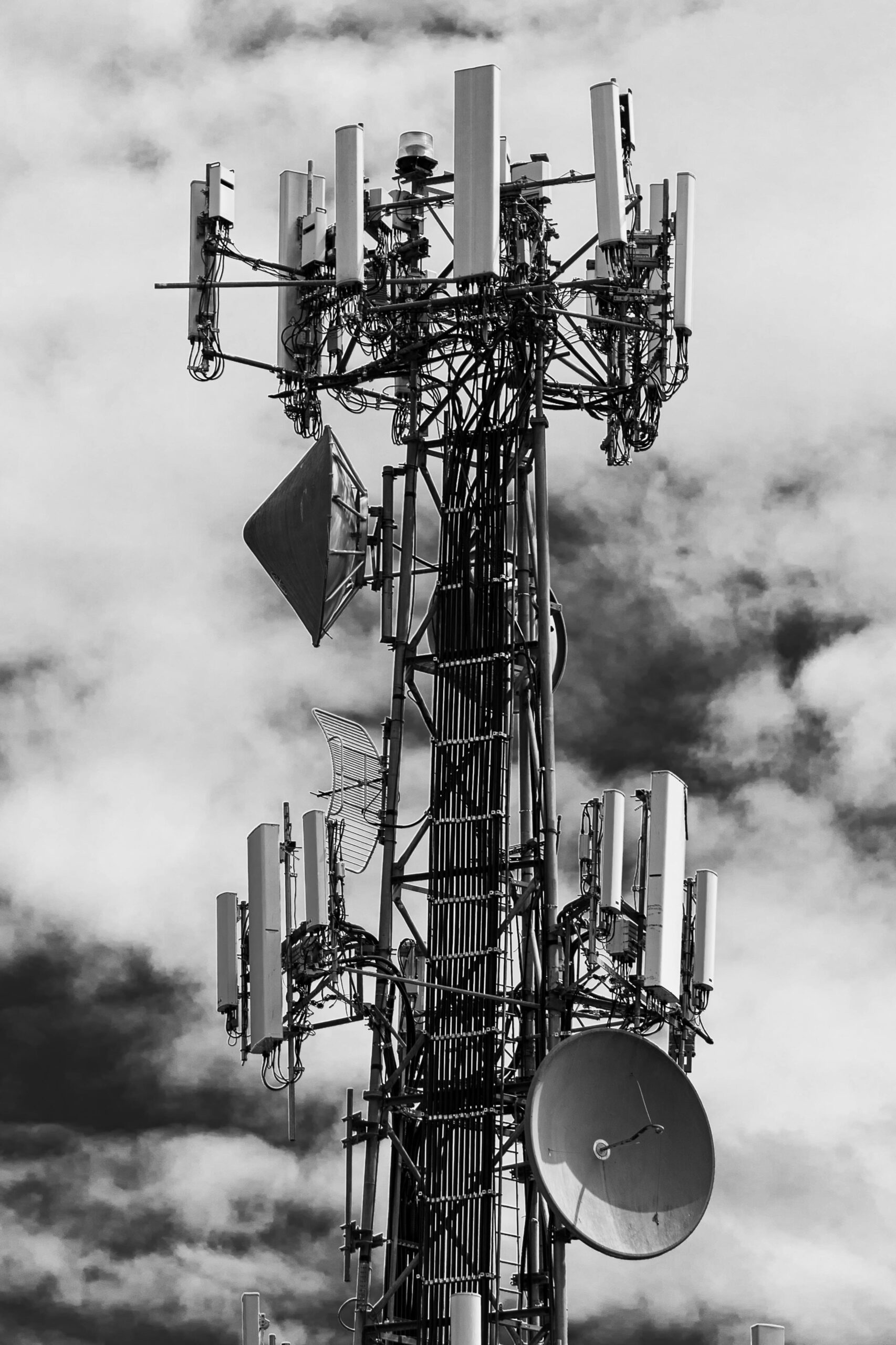
As India’s telecom sector continues to expand with stronger 4G and 5G networks, many landowners are exploring opportunities to lease their land or rooftops for telecom infrastructure. If you’re planning to mobile tower installation apply, one of the first questions you may have is whether you should choose the online or offline application method.
Both methods aim to collect property details for evaluation, but they differ in terms of convenience, documentation, communication, and processing. Understanding these differences can help you make an informed decision while avoiding unnecessary delays.
In this guide, we’ll compare online tower registration and offline tower application, explain the telecom application process, and provide a complete tower installation comparison to help every property owner choose the right approach.
Understanding the Mobile Tower Installation Apply Process
The mobile tower installation apply process allows property owners to express their interest in leasing land or rooftop space for telecom infrastructure. Once an application is submitted, the property undergoes several stages of evaluation, including document verification, technical assessment, and network planning.
It is important to remember that submitting an application does not guarantee tower installation. Approval depends on factors such as network demand, technical feasibility, and site suitability.
What Is Online Tower Registration?
Online tower registration refers to submitting your application digitally through an official website or authorized online platform. Property owners can enter their details, upload supporting documents, and complete the application without visiting an office.
The online process has become increasingly popular because it saves time and simplifies document submission.
Advantages of Online Tower Registration
- Apply from anywhere with internet access.
- Faster document uploads.
- Reduced paperwork.
- Easy correction of digital records.
- Convenient communication through email or mobile.
- Better record management.
Online applications are especially useful for applicants who have all their documents available in digital format.
What Is an Offline Tower Application?
An offline tower application involves submitting physical documents and application forms through designated offices or authorized representatives.
Although many organizations now encourage digital submissions, offline applications may still be available depending on the company and location.
Advantages of Offline Applications
- Suitable for applicants with limited internet access.
- Physical verification of submitted documents.
- Helpful for individuals who prefer face-to-face communication.
- Assistance from company representatives during submission.
However, offline applications may require additional travel and paperwork.
Online vs Offline: A Complete Tower Installation Comparison
Choosing the right method depends on your convenience and access to resources. Here’s a detailed tower installation comparison between the two options.
Convenience
Online applications offer the flexibility to apply from your home or office, while offline applications require visiting an authorized location.
Winner: Online
Speed
Digital submissions often reduce paperwork and can speed up the initial review process.
Winner: Online
Documentation
Online applications allow scanned documents to be uploaded instantly, whereas offline applications require photocopies and manual verification.
Winner: Online
Personal Assistance
Offline applications provide direct interaction with representatives who can answer questions during submission.
Winner: Offline
Record Keeping
Digital applications make it easier to store, retrieve, and update application records.
Winner: Online
Accessibility
Applicants living in areas with poor internet connectivity may find offline applications more practical.
Winner: Offline
Overall, online registration is generally more efficient, while offline applications remain useful in situations where digital access is limited.
Understanding the Telecom Application Process
Whether you choose an online or offline method, the telecom application process usually follows similar stages.
Step 1: Property Information
Applicants provide details such as:
- Property address
- Land or rooftop type
- Available area
- Ownership details
- Contact information
Step 2: Document Submission
Supporting documents generally include:
- Identity proof
- Address proof
- Property ownership documents
- Property photographs
- Site layout (if required)
Step 3: Initial Review
The submitted application is reviewed to ensure all information is complete and accurate.
Step 4: Technical Evaluation
Engineers assess whether the property meets network planning requirements.
Step 5: Site Inspection
If shortlisted, the location undergoes a physical inspection.
Step 6: Final Decision
Only properties that satisfy technical, legal, and commercial requirements proceed to agreement and installation.
Which Method Is Better for Property Owners?
This property owner guide can help you decide which option best suits your needs.
Choose Online Registration If:
- You have reliable internet access.
- Your documents are available digitally.
- You prefer quicker submissions.
- You want easier record management.
- You wish to track communication electronically.
Choose Offline Application If:
- Internet access is limited.
- You prefer submitting physical documents.
- You require in-person assistance.
- You are unfamiliar with online application systems.
For most applicants, online registration offers greater convenience and efficiency.
Common Mistakes to Avoid
Regardless of how you mobile tower installation apply, avoid these common errors:
- Submitting incomplete applications.
- Uploading unclear or incorrect documents.
- Providing inaccurate property measurements.
- Using outdated ownership records.
- Ignoring follow-up communication.
- Believing anyone who promises guaranteed tower approval.
Carefully reviewing your application before submission improves its overall quality.
Important Tips Before Applying
Before choosing an application method, keep these recommendations in mind:
- Verify that all ownership documents are updated.
- Prepare clear photographs of your property.
- Measure your available land or rooftop accurately.
- Keep your contact information current.
- Read all instructions carefully before submission.
- Never pay unauthorized agents claiming to guarantee approval.
A complete and accurate application makes the verification process smoother.
Online or Offline: Which One Should You Choose?
Both application methods ultimately follow the same evaluation process, but the submission experience is different.
If you are comfortable using digital platforms, online tower registration is generally the preferred option because it saves time, reduces paperwork, and allows easier communication.
On the other hand, an offline tower application may still be suitable for applicants who need personal assistance or have limited access to digital services.
Regardless of the method you choose, property selection always depends on network expansion plans, technical feasibility, and regulatory compliance—not simply on how the application was submitted.
Conclusion
Choosing the right method for mobile tower installation apply depends on your personal preferences, access to technology, and documentation readiness. While online tower registration offers speed, convenience, and simplified document management, an offline tower application remains a practical alternative for applicants who prefer face-to-face assistance.
Understanding the telecom application process, reviewing this tower installation comparison, and following this property owner guide will help you submit a complete and accurate application. Whether you apply online or offline, ensuring your documents are organized and your property meets technical requirements will improve your overall application experience and prepare you for the next stage of evaluation.