When it comes to maintaining FPT Industrial diesel engines, choosing the right replacement components is one of the most important decisions you can make. Whether you’re repairing a commercial vehicle, agricultural machine, construction equipment, or industrial engine, the quality of the parts you install directly affects performance, reliability, and long-term operating costs.
Many buyers face the same question: Should you buy OEM Fiat diesel engine parts or choose aftermarket alternatives?
The answer depends on your budget, equipment usage, and maintenance priorities. This guide compares both options to help you make an informed purchasing decision.
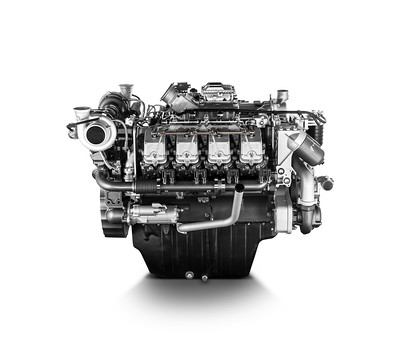
What Are OEM Fiat Diesel Engine Parts?
OEM (Original Equipment Manufacturer) parts are produced by or for the original manufacturer to the exact specifications used when the engine was built.
For FPT Industrial diesel engines, OEM fiat diesel engine parts are designed to provide:
- Exact fit and compatibility
- Original performance standards
- Reliable durability
- Manufacturer-approved quality
These parts are engineered specifically for FPT diesel engines, minimizing installation issues and ensuring optimal engine performance.
What Are Aftermarket Engine Parts?
Aftermarket parts are manufactured by independent companies rather than the original equipment manufacturer. These parts are intended to replace OEM components and are available in various quality levels.
Some aftermarket manufacturers produce high-quality replacements, while others focus on lower-cost alternatives that may not meet OEM standards.
Because quality varies significantly, buyers should carefully evaluate the supplier before purchasing.
OEM vs Aftermarket Fiat Diesel Engine Parts
| Feature | OEM Parts | Aftermarket Parts |
| Quality | Original factory standards | Varies by manufacturer |
| Fitment | Perfect OEM fit | May require adjustments |
| Reliability | Excellent | Depends on brand |
| Warranty | Usually manufacturer-backed | Varies |
| Price | Higher | Usually lower |
| Availability | Sometimes limited | Often widely available |
While aftermarket parts can reduce initial costs, OEM parts generally provide greater long-term reliability for demanding applications.
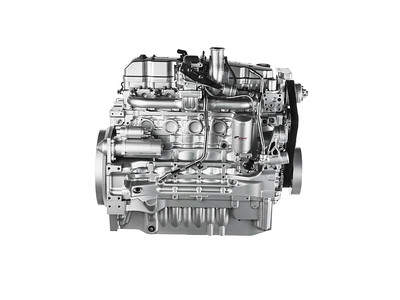
Performance Comparison
OEM Parts
OEM fpt engine parts are tested under the same operating conditions as the original engine.
Advantages include:
- Consistent engine performance
- Proper fuel efficiency
- Reduced vibration
- Longer component life
- Better protection for connected engine systems
These benefits become especially important for engines operating continuously or under heavy loads.
Aftermarket Parts
High-quality aftermarket parts can perform well when sourced from reputable manufacturers.
However, lower-grade components may lead to:
- Poor sealing
- Faster wear
- Reduced efficiency
- Unexpected failures
- Increased maintenance costs
Performance largely depends on the manufacturer’s quality standards.
Cost Comparison
One reason many buyers consider aftermarket components is price.
OEM
Pros
- Longer service life
- Lower risk of failure
- Better overall value over time
Cons
- Higher upfront cost
- Aftermarket
Pros
- Lower purchase price
- Good option for older equipment
- Larger selection
Cons
- Quality varies greatly
- Potential for repeat repairs
- May increase total maintenance costs
A lower purchase price doesn’t always mean lower ownership costs.
Which Option Is Better for Heavy-Duty Applications?
If your equipment is used in:
- Agriculture
- Construction
- Marine operations
- Power generation
- Commercial transportation
OEM fiat diesel engine parts are generally the safer investment.
Heavy-duty machinery places continuous stress on engine components, making durability and precision especially important.
When Aftermarket Parts May Be a Good Choice
Aftermarket parts can be suitable when:
- The machine is older and nearing the end of its service life.
- Budget constraints are a major concern.
- A trusted aftermarket manufacturer offers proven quality.
- The replacement part is non-critical.
For critical engine components such as pistons, injectors, turbochargers, cylinder heads, fuel pumps, or crankshaft components, OEM parts are often recommended.
How to Ensure You’re Buying the Right FPT Engine Parts
Before ordering replacement components, verify:
- Engine model number
- Engine serial number
- Part number
- Equipment application
- Manufacturing year
The easiest way to confirm compatibility is by checking an fpt parts catalogue online. A digital catalogue helps identify the exact replacement part for your engine and reduces the risk of ordering incorrect components.
Tips for Choosing a Reliable Supplier
Regardless of whether you purchase OEM or aftermarket parts, always choose a supplier that offers:
- Genuine product identification
- Technical support
- Clear warranty policies
- Fast availability
- Comprehensive product range
- Competitive pricing
A knowledgeable supplier can also help verify compatibility before you place an order.
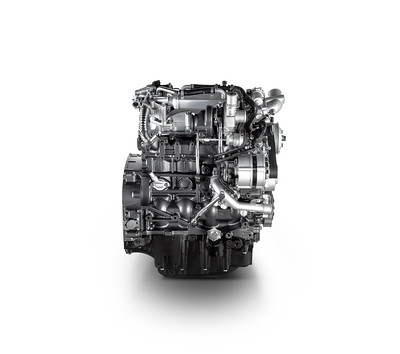
Which Option Offers Better Long-Term Value?
Although OEM components typically cost more initially, they often deliver:
- Fewer breakdowns
- Longer maintenance intervals
- Better fuel economy
- Reduced downtime
- Higher resale value
For businesses where equipment uptime directly affects profitability, OEM parts frequently provide the best overall return on investment.
Final Verdict
There is no single answer for every buyer. The right choice depends on how your equipment is used and your maintenance goals.
Choose OEM fiat diesel engine parts if you want maximum reliability, factory-grade quality, and long service life for your FPT Industrial diesel engines.
Choose high-quality aftermarket parts if you are working with an older machine, have budget limitations, or can source components from a trusted manufacturer.
Before making any purchase, always verify compatibility through an fpt parts catalogue online and buy from a reputable supplier. Investing in the right fpt engine parts today helps keep your fpt diesel engine operating efficiently, minimizes unexpected repairs, and protects your equipment for years to come.