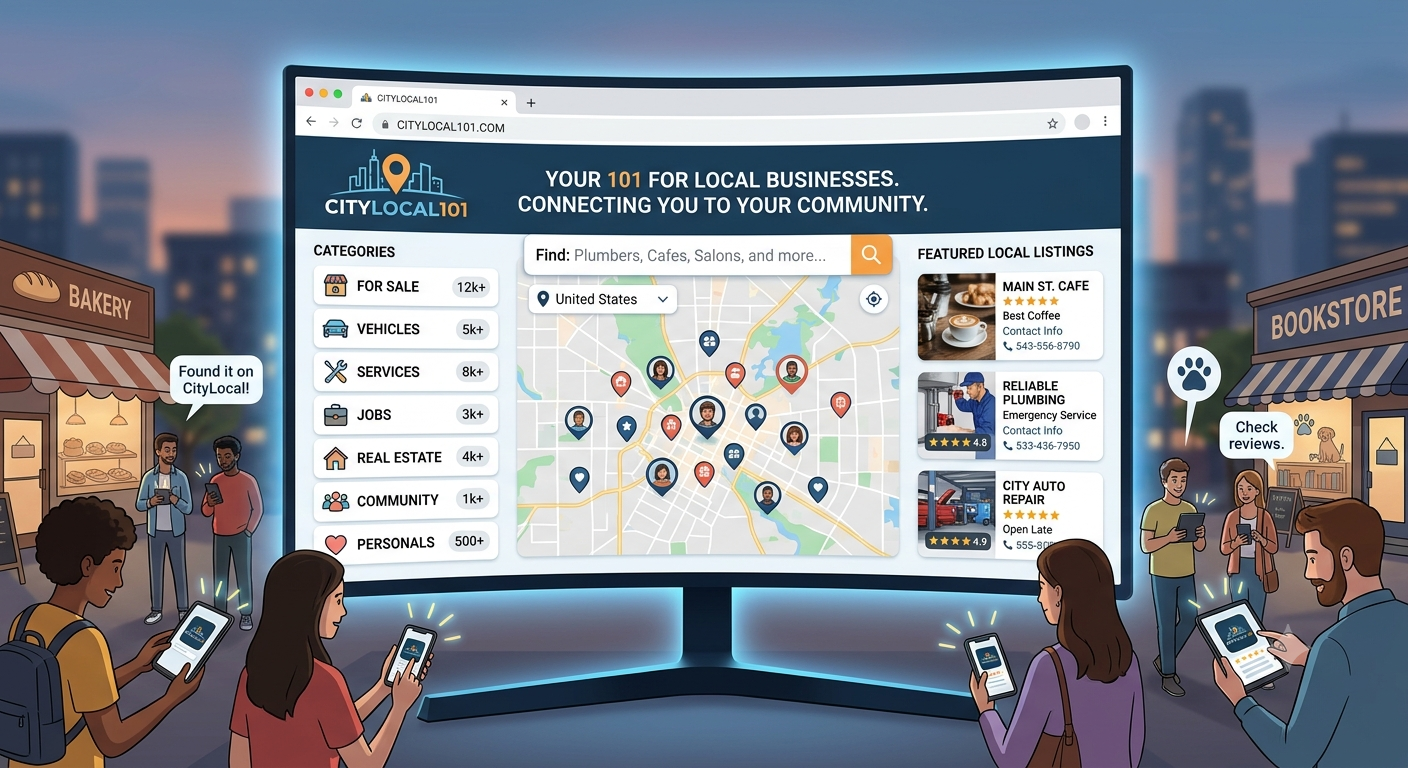
Pull up your small business directory listing right now. Not from memory, actually open it. Read the description like you’re a stranger who’s never heard of your company. Chances are it says something close to “quality products and excellent customer service,” has one photo of your logo, and hasn’t been touched since the day you created it.
That’s not a failure on your part. It’s just what happens when getting listed feels like the finish line. You claim the profile, fill in the required fields, and move on to the fifty other things a new business demands that week. The problem is that a thin, generic small business directory listing does almost nothing for you, even though it looks, on paper, like a completed task. Visibility and usefulness aren’t the same thing, and most owners only find that out after months of wondering why the listing never sends anyone their way.
Fixing this doesn’t take long. What follows is a straightforward pass through the parts of your profile that actually influence whether someone reads it and reaches out, versus scrolls past it.
The description
Start with the description, because it’s doing the most work and getting the least attention. Generic language doesn’t just sound flat, it fails to answer the one question every reader has in the back of their mind: is this the right business for my specific situation? “Quality products and excellent customer service” could describe literally any business in any category. Compare that to something like “Hand-repaired bicycles for daily commuters, same-day turnaround on most flat-tire and brake jobs.” The second version tells a reader exactly what to expect and gives them a reason to pick you over the next name down the list. Rewrite your description around the specific thing you do best, not the vague category you technically belong to.
Photos
Photos come next, and this is where a lot of new owners underinvest without realizing it. A single logo image tells a browsing customer nothing about what it’s actually like to walk into your shop or work with your team. Add photos of the actual space, the product on a shelf rather than a stock image of something similar, or you and your team at work if that fits your business. None of this needs a professional photographer. A handful of clear, well-lit phone photos taken during a normal business day will outperform one polished but generic stock image every time, because they show something real.
Optional fields most people skip
Then go through every optional field on the platform, not just the ones marked required. Payment methods accepted, year the business was founded, specific service tags, holiday hours, whether you take walk-ins or appointments only, these get skipped constantly because nothing forces you to fill them in. Each one is a small piece of information that answers a specific question a potential customer might otherwise have to call and ask, and every question they don’t have to ask is one less reason for them to give up and move on.
Reviews
Reviews deserve their own pass too, separate from the profile fields. A listing with zero reviews next to five competitors with dozens doesn’t inspire much confidence, no matter how well the description reads. If you’ve got happy customers, ask them directly, right after a good interaction, with a specific link rather than a vague “leave us a review sometime.” Something as simple as texting a customer “Thanks for stopping by today, would you mind leaving a quick review here” works far better than hoping people think to do it on their own.
It’s worth going a step further and actually responding to the reviews you already have, good and bad. A short thank-you on a positive review costs you thirty seconds and shows anyone reading later that a real person runs this business. A calm, professional response to a negative one does even more work, since it’s often the response, not the original complaint, that decides whether a hesitant reader gives you a chance anyway.
Tags and categories
One thing worth doing on some platforms: check whether the directory lets you add specific product or service tags beyond your main category. A directory like CityLocal101 that supports more granular tagging alongside the standard fields gives you room to show up for searches more specific than your broad category alone would catch, which matters more than it sounds like it would for a small, newer business trying to get found among more established competitors.
Links that actually go somewhere
It’s also worth clicking every link on your own listing the way a stranger would. Owners redesign their website, switch social platforms, or retire an old page, and the directory listing keeps pointing to whatever URL was entered on day one. A broken or outdated link doesn’t just fail quietly, it actively costs you a visitor who was interested enough to click through and got a dead end instead. This takes two minutes to check and gets skipped almost every time.
Coming back to it later on small business directory
Once you’ve made these changes, don’t treat the listing as finished again. Set a reminder for a couple months out and look at it with fresh eyes. Businesses change, seasonal offerings shift, and a description that felt sharp when you wrote it can go stale the same way the original generic version did. A small business directory profile that gets revisited every so often tends to stay accurate in ways a set-and-forget one never does. The goal isn’t a perfect listing written once. It’s a listing that stays worth reading.
None of this is complicated work, and most of it can be done in under an hour once you sit down to it. The difference between a listing that quietly sits there and one that actually brings in customers usually comes down to exactly these small, specific details, not some bigger marketing move you haven’t made yet. If you only have time for one of these today, rewrite the description first. It’s the single piece of the profile most likely to be read in full, and it’s usually the one that’s been sitting untouched the longest.
Read More At: https://bloggingwebs.com/uncategorized/how-to-choose-the-best-corporate-wear-in-kenya-for-your-business/