In today’s architecture, engineering, and construction industry, accuracy is essential for successful project execution. Modern laser scanning technology has transformed the way professionals capture existing site conditions. One of the most valuable outcomes of this technology is the creation of a Point Cloud to CAD Model, which converts millions of scanned data points into precise digital drawings and design-ready files.
What is a Point Cloud?
A point cloud is a collection of millions of spatial data points captured using laser scanners or LiDAR technology. These points represent the exact geometry of buildings, structures, and environments. While point clouds provide highly accurate measurements, they are not always suitable for direct design or construction workflows. This is where converting the data into CAD formats becomes important.
A Point Cloud to CAD Model transforms raw scan information into organized 2D drawings or 3D CAD files that can be used for planning, renovation, facility management, and engineering projects.
Why Convert Point Clouds into CAD Models?
Point cloud data contains a large amount of information, but it can be difficult to interpret without proper modeling. CAD models simplify this data into usable formats such as floor plans, elevations, sections, and detailed engineering drawings.
The Point Cloud to CAD Model process helps architects and engineers work with accurate as-built information, reducing errors and minimizing costly site visits. It also improves collaboration by providing a standardized digital representation of existing conditions.
Benefits of Point Cloud to CAD Conversion
Enhanced Accuracy
Traditional measurement methods often result in inconsistencies and missing information. A Point Cloud to CAD Model provides precise dimensions captured directly from the scanned environment, ensuring reliable project documentation.
Faster Project Delivery
Converting scan data into CAD files saves significant time compared to manual measurements and drafting. Teams can begin design and planning activities much faster with ready-to-use digital drawings.
Cost Reduction
Accurate models reduce the risk of construction errors, rework, and project delays. This leads to better resource management and lower overall project costs.
Improved Renovation Planning
For renovation and retrofit projects, understanding existing conditions is critical. A Point Cloud to CAD Model provides detailed information about structural elements, helping designers make informed decisions before construction begins.
Industries That Use Point Cloud to CAD Services
Many industries rely on CAD models generated from point cloud data. Architecture firms use them for renovation and restoration projects. Engineering companies depend on accurate models for structural analysis and infrastructure planning. Construction professionals utilize these models to coordinate project activities and avoid conflicts during execution.
Facility managers also benefit from updated CAD documentation for maintenance, asset tracking, and future upgrades.
The Conversion Process
The workflow typically begins with laser scanning of the site. Specialized software processes the captured point cloud data and removes unnecessary noise. Skilled CAD technicians then interpret the scan information and create detailed drawings or models according to project requirements.
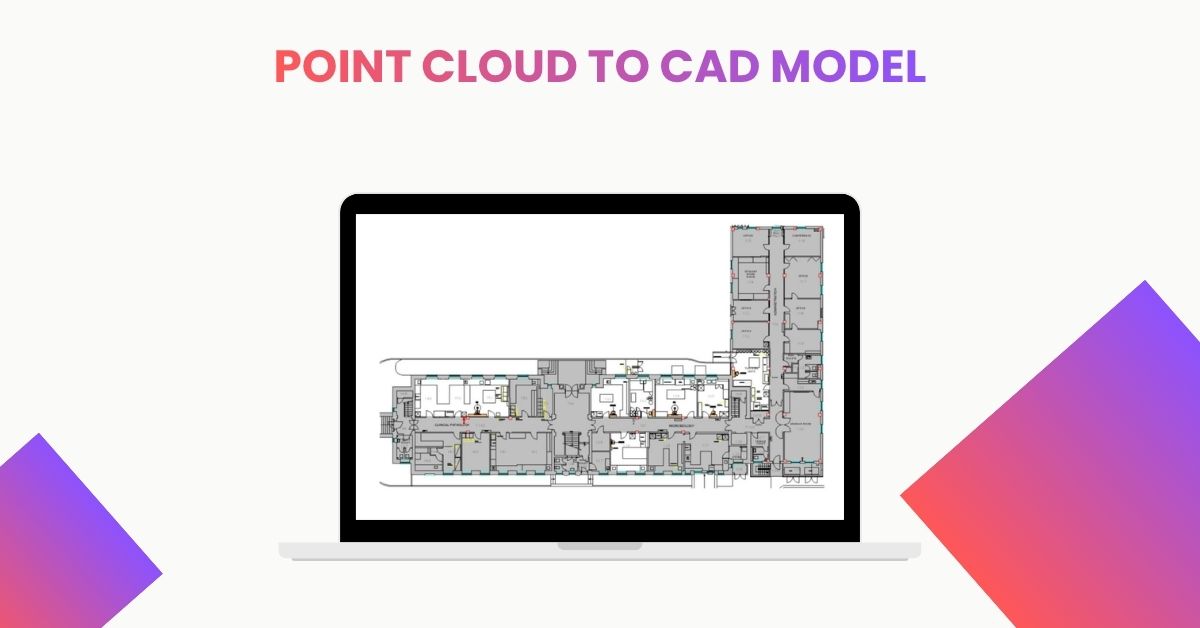
The final Point Cloud to CAD Model may include floor plans, elevations, reflected ceiling plans, sections, and detailed layouts that support design and construction activities.
Conclusion
As digital construction technologies continue to evolve, accurate site documentation has become more important than ever. A Point Cloud to CAD Model enables professionals to transform real-world conditions into precise CAD drawings that support efficient planning, design, and project execution. By improving accuracy, reducing costs, and streamlining workflows, point cloud to CAD conversion has become an essential solution for modern architecture, engineering, and construction projects.