Agriculture is evolving rapidly with the help of advanced farming equipment, and one of the most useful machines for farmers is the Power Weeder Machine. Weeding is an essential part of crop cultivation because unwanted weeds compete with crops for nutrients, sunlight, and water. Traditional manual weeding is time-consuming, labour-intensive, and costly. A power weeder offers a modern solution by making weed removal faster, easier, and more efficient.
In this blog, we will discuss what a power weeder machine is, how it works, its benefits, applications, and why every modern farmer should consider investing in one.
What is a Power Weeder Machine?
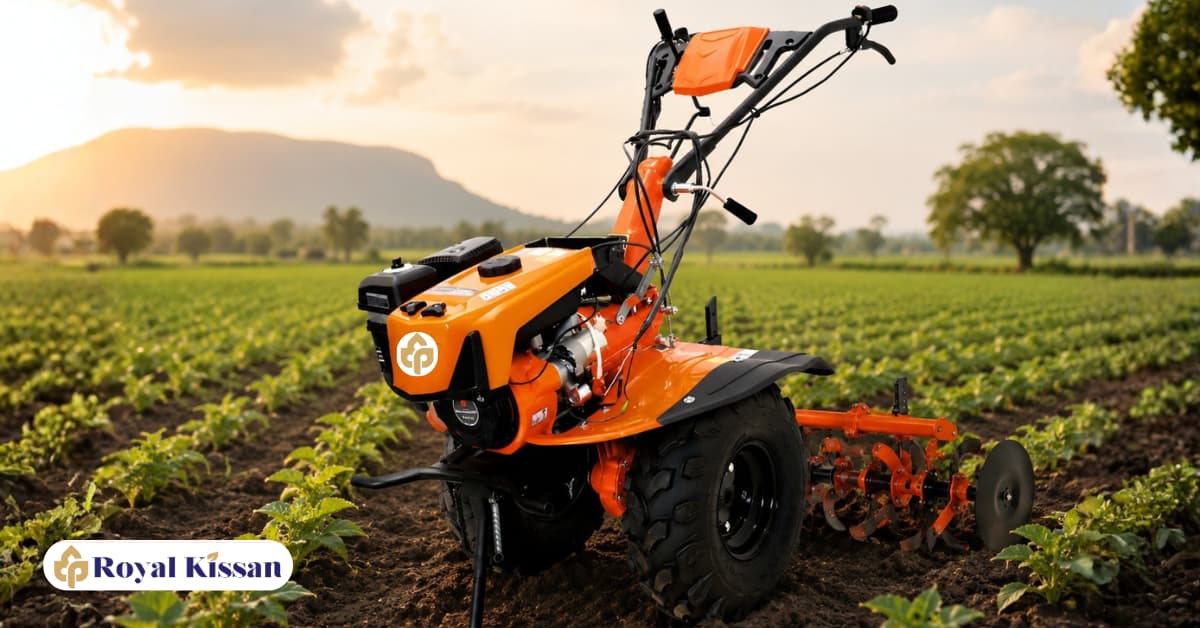
A Power Weeder Machine is a compact agricultural machine designed to remove weeds, loosen soil, and improve soil aeration between crop rows. It is powered by either a petrol or diesel engine and comes with rotating blades that cut weeds while simultaneously cultivating the soil.
Power weeders are widely used in vegetable farms, orchards, plantations, nurseries, and small to medium-sized agricultural fields. They are especially helpful in reducing manual labor and increasing farming efficiency.
How Does a Power Weeder Work?
A power weeder operates using a high-performance engine connected to rotary blades or tines. When the machine moves through the field, these rotating blades dig into the soil and uproot weeds effectively. At the same time, the soil becomes loose, allowing better air circulation and water absorption.
Most modern power weeders come with adjustable working widths and depths, making them suitable for different crop types and soil conditions. Their user-friendly design allows farmers to operate them with minimal training.
Benefits of Using a Power Weeder Machine
1. Saves Time
Manual weeding can take several days, especially on large farms. A power weeder completes the same task in just a few hours, allowing farmers to focus on other important agricultural activities.
2. Reduces Labor Costs
Labor shortages are becoming a major challenge in agriculture. A power weeder significantly reduces the need for manual labor, helping farmers save money on wages while improving productivity.
3. Improves Soil Health
Besides removing weeds, the machine loosens compact soil, improving aeration and water infiltration. Healthy soil encourages stronger root development and better crop growth.
4. Increases Crop Yield
Weeds compete with crops for nutrients, water, and sunlight. By eliminating weeds efficiently, power weeders allow crops to receive maximum nutrients, leading to healthier plants and higher yields.
5. Easy to Operate
Modern power weeders are lightweight, easy to maneuver, and designed with ergonomic handles. Even farmers with limited technical experience can use them effectively.
6. Fuel Efficient
Most power weeders are designed with fuel-efficient engines that provide excellent performance while keeping operating costs low.
Applications of Power Weeder Machines
Power weeders are suitable for various farming operations, including:
- Vegetable farming
- Fruit orchards
- Tea and coffee plantations
- Sugarcane cultivation
- Cotton fields
- Maize farming
- Flower gardens
- Nurseries
- Horticulture farms
Their versatility makes them an excellent investment for farmers cultivating multiple crops.
Types of Power Weeders
Petrol Power Weeder
Petrol-powered weeders are lightweight, easy to start, and ideal for small farms, gardens, and orchards. They require less maintenance and are popular among small-scale farmers.
Diesel Power Weeder
Diesel power weeders offer higher torque and are suitable for heavy-duty farming operations. They perform well in larger fields and tough soil conditions.
Mini Power Weeder
Mini power weeders are compact machines specially designed for narrow crop rows and small agricultural plots. They are highly maneuverable and easy to transport.
Factors to Consider Before Buying a Power Weeder
Before purchasing a power weeder machine, farmers should consider the following factors:
- Engine power and fuel type
- Working width and depth
- Build quality and durability
- Ease of maintenance
- Availability of spare parts
- Brand reputation
- Fuel efficiency
- After-sales service and warranty
- Budget and farming requirements
Selecting the right machine ensures long-term performance and maximum return on investment.
Maintenance Tips
Proper maintenance extends the life of a power weeder and ensures smooth operation.
- Check engine oil regularly.
- Clean the machine after every use.
- Inspect blades for wear and damage.
- Tighten loose nuts and bolts.
- Replace air filters when necessary.
- Store the machine in a dry place.
- Follow the manufacturer’s service schedule.
Routine maintenance minimizes downtime and improves machine efficiency.
Why Farmers Should Invest in a Power Weeder
With rising labor costs and increasing demand for agricultural productivity, investing in a power weeder is a smart decision. It not only saves time and money but also improves crop quality by maintaining weed-free fields.
Government support for farm mechanization in many regions has also made agricultural machinery more accessible through subsidies and financial assistance. Farmers who adopt modern equipment can improve operational efficiency and achieve better profits over time.
Conclusion
The Power Weeder Machine has become an essential tool in modern agriculture. It combines speed, efficiency, and affordability to simplify one of the most labor-intensive farming tasks. Whether you own a small vegetable farm, an orchard, or a large plantation, a power weeder can significantly improve productivity while reducing labor costs.
By choosing the right machine and maintaining it properly, farmers can enjoy years of reliable performance and healthier crop production. As agriculture continues to embrace mechanization, power weeders will play an increasingly important role in sustainable and profitable farming.