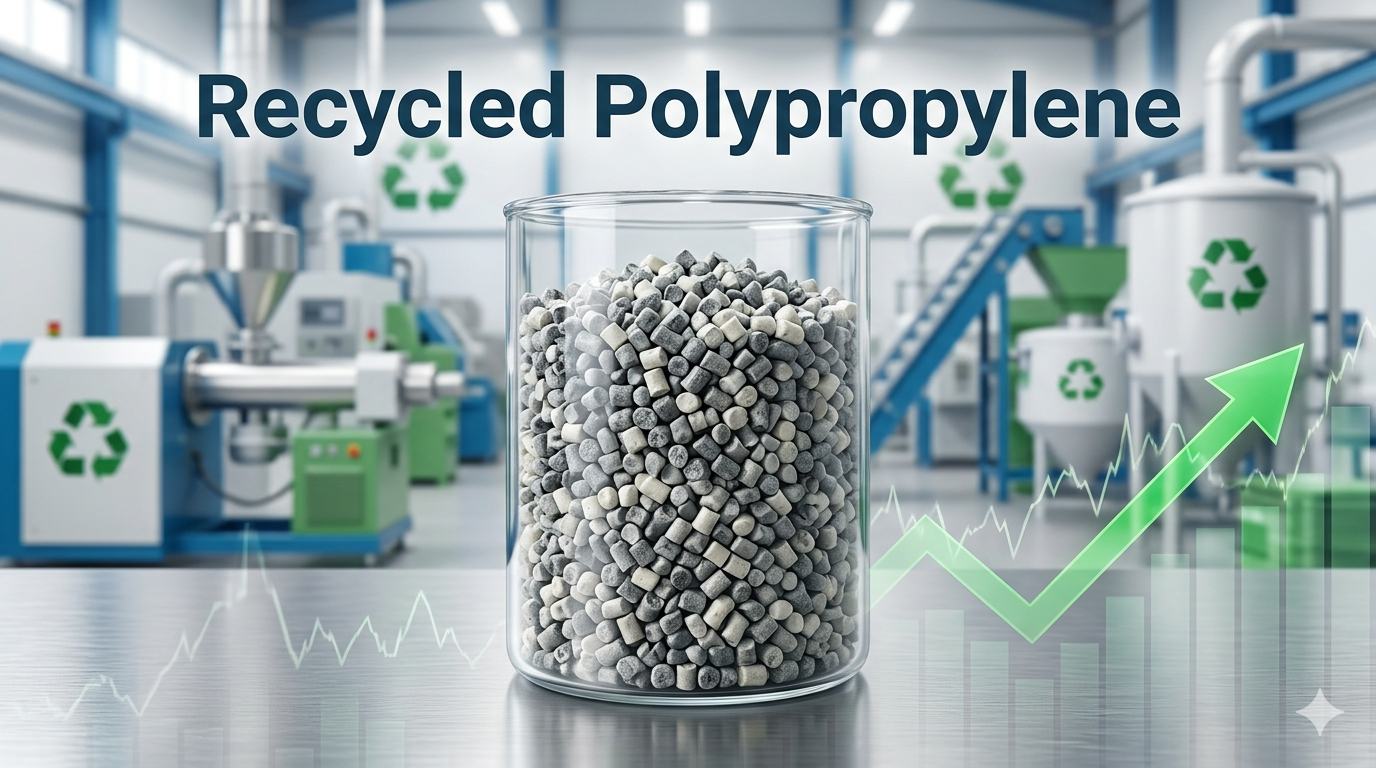
Recycled Polypropylene (rPP) has become an increasingly important material in today’s circular economy. Produced from post-consumer and post-industrial plastic waste, recycled polypropylene is widely used in packaging, automotive components, consumer goods, textiles, and construction materials. As industries continue to focus on sustainability and reducing plastic waste, the demand for recycled polypropylene has grown significantly. Because of its expanding applications, businesses closely monitor the Recycled Polypropylene Price Trend to understand market developments and make informed purchasing decisions.
In 2026, the global recycled polypropylene market continues to benefit from increasing environmental awareness and government initiatives promoting recycling. While demand remains strong, pricing is influenced by several factors including feedstock availability, processing costs, transportation expenses, and industrial consumption patterns. Understanding these factors is essential for manufacturers, suppliers, traders, and procurement professionals operating in the recycled plastics sector.
👉 👉 👉 Please Submit Your Query for Recycled Polypropylene Price Trend, demand-supply, suppliers, market analysis: https://www.price-watch.ai/book-a-demo/
Understanding the Recycled Polypropylene Price Trend
The Recycled Polypropylene Price Trend in 2026 reflects a market driven by both sustainability goals and industrial demand. As more companies commit to using recycled materials in their products, the demand for recycled polypropylene continues to rise across various industries.
Unlike virgin polypropylene, recycled polypropylene depends heavily on the availability of recyclable plastic waste. Collection rates, recycling infrastructure, and sorting efficiency directly impact the supply of raw materials. Any disruption in these areas can affect production levels and influence market prices.
Growing environmental regulations have also contributed to increased demand. Many governments and organizations are encouraging manufacturers to use recycled content in packaging and consumer products. This trend continues to support the market and plays a significant role in shaping pricing patterns.
Overall, the Recycled Polypropylene Price Trend in 2026 indicates a market supported by sustainability initiatives, industrial demand, and expanding recycling activities worldwide.
Factors Influencing Recycled Polypropylene Prices
Several important factors continue to impact Recycled Polypropylene Prices across global markets.
Availability of Recyclable Materials
The supply of post-consumer and post-industrial polypropylene waste is one of the most significant pricing factors. Limited availability of recyclable materials can create supply constraints and lead to higher prices.
Processing and Recycling Costs
Recycled polypropylene requires collection, sorting, cleaning, and reprocessing before it can be reused. Rising labor costs, energy expenses, and operational investments can affect overall production costs and market pricing.
Industrial Demand
Demand from packaging, automotive, construction, and consumer goods industries plays a major role in determining market prices. Strong consumption from these sectors often supports higher pricing levels.
Transportation and Logistics
Since recyclable materials are collected from multiple sources, logistics costs remain an important factor. Increased freight and fuel costs can directly influence final market prices.
Government Regulations and Sustainability Goals
Many countries are implementing regulations that encourage recycling and the use of recycled content. These initiatives continue to strengthen demand and support the recycled polypropylene market.
Current Market Situation for Recycled Polypropylene Prices
In 2026, Recycled Polypropylene Prices have remained relatively firm due to steady demand from various end-use industries. Companies across packaging and manufacturing sectors are increasingly incorporating recycled materials into their production processes to meet sustainability commitments.
The packaging industry remains one of the largest consumers of recycled polypropylene. Brands are actively seeking sustainable alternatives to virgin plastics, creating consistent demand for recycled materials.
The automotive sector is another important contributor. Manufacturers are increasingly using recycled plastics in vehicle interiors and non-structural components to reduce environmental impact and meet regulatory requirements.
Consumer goods manufacturers also continue to expand their use of recycled polypropylene in household products, storage containers, and furniture applications. This broad demand base helps maintain market stability and supports ongoing growth.
Demand Trends Supporting Market Growth
The demand outlook for recycled polypropylene remains highly positive due to growing sustainability awareness and circular economy initiatives.
Packaging applications are expected to remain one of the strongest growth areas. Many global brands have announced targets to increase recycled content in their packaging materials, supporting long-term demand for recycled polypropylene.
The automotive industry is also expected to drive future consumption. Vehicle manufacturers are increasingly focused on reducing carbon footprints and improving material sustainability, leading to greater adoption of recycled plastics.
Government policies promoting waste reduction and recycling infrastructure development are creating additional opportunities for market expansion. Investments in advanced recycling technologies may further improve material quality and increase supply availability.
Consumer preference for environmentally friendly products continues to encourage businesses to incorporate recycled materials into their manufacturing processes, supporting market growth across multiple sectors.
Recycled Polypropylene Price Forecast
The Recycled Polypropylene Price Forecast for 2026 suggests a positive market outlook with moderate price fluctuations. Industry experts expect demand to remain strong as sustainability goals become a higher priority for businesses worldwide.
Future prices will largely depend on feedstock availability, recycling efficiency, transportation costs, and industrial demand. If recycling infrastructure continues to improve and collection rates increase, supply conditions may become more balanced, helping stabilize prices.
Growing investments in recycling technologies could also enhance production efficiency and support market growth. At the same time, increasing demand from packaging, automotive, and consumer goods industries is expected to provide long-term support for pricing.
While temporary fluctuations may occur because of supply chain disruptions or changing economic conditions, the overall Recycled Polypropylene Price Forecast points toward a stable and growing market environment.
Conclusion
The Recycled Polypropylene Price Trend in 2026 reflects a market supported by strong sustainability initiatives, increasing industrial demand, and growing environmental awareness. Current Recycled Polypropylene Prices continue to be influenced by feedstock availability, processing costs, transportation expenses, and regulatory developments.
According to the latest Recycled Polypropylene Price Forecast, the market is expected to maintain steady growth with manageable price fluctuations in the coming years. For manufacturers, suppliers, traders, and procurement professionals, staying informed about market developments will remain essential for making effective purchasing and business decisions in the evolving recycled plastics industry.
👉 👉 👉 Please Submit Your Query for Recycled Polypropylene Price Trend, demand-supply, suppliers, market analysis: https://www.price-watch.ai/book-a-demo/
About Price-Watch™
Price-Watch™ is an India-based, independent price reporting agency (PRA) that provides real-time price forecasts and data-driven insights into global raw material markets. It specializes in tracking prices, analyzing market trends, and delivering timely updates on plant shutdowns, supply disruptions, capacity expansions, and demand–supply dynamics. Price-Watch™ reporting goes beyond prices to include grade-level insights, applications, and country-level demand intelligence you can trust. Powered by AI forecasting and over a decade of historical data, the Price-Watch™ platform empowers manufacturers, traders, and procurement professionals to make faster, smarter decisions and turn market volatility into actionable opportunity.
Futura Tech Park,
C Block, 8th floor 334,
Old Mahabalipuram Road,
Sholinganallur, Chennai, Tamil Nadu, Pin code – 600119.
Linkedin: https://www.linkedin.com/company/price-watch-ai/
Facebook: https://www.facebook.com/people/Price-Watch/61568490385598/
Twitter: https://x.com/pricewatchai
Website: https://www.price-watch.ai/