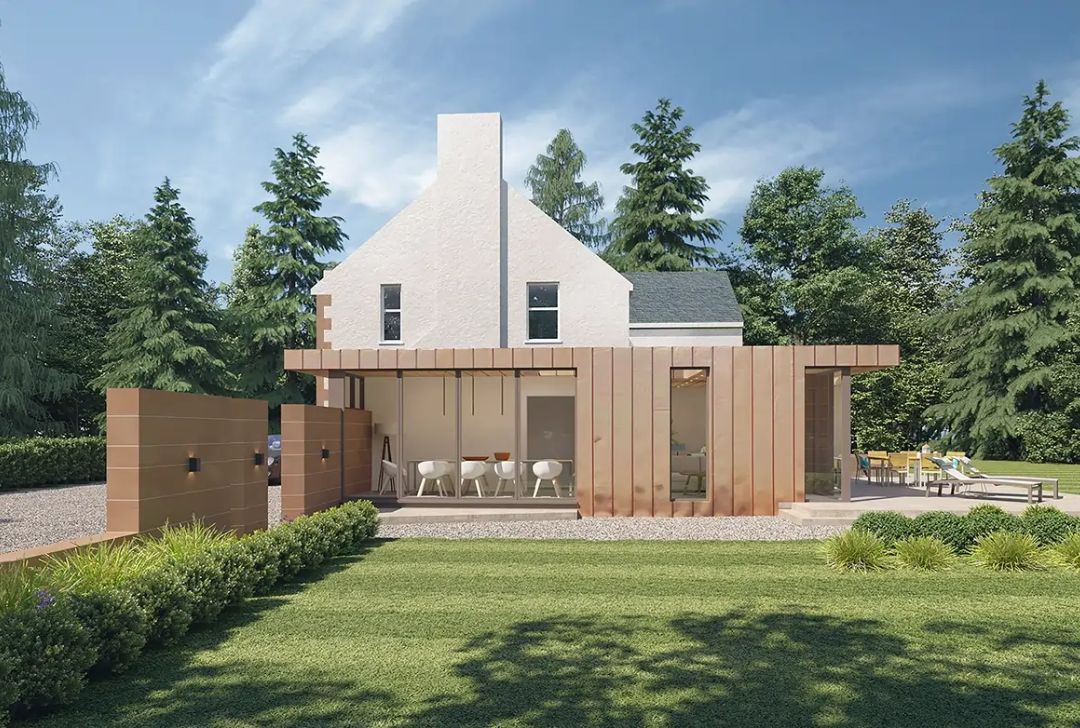
Building a new home, extending an existing property, or carrying out a major renovation is one of the biggest investments most people will ever make. While homeowners often focus on construction costs and design ideas, many underestimate the importance of professional planning. This is where residential architectural services play a crucial role. They help transform ideas into practical solutions while reducing risks, managing regulations, and ensuring projects stay aligned with long-term goals.
Across the UK, demand for home improvements continues to grow. According to industry reports from the Home Builders Federation, homeowners are investing more in extensions, renovations, and energy-efficient upgrades than ever before. However, successful projects rarely happen by chance. They require careful planning, technical expertise, and coordination between multiple professionals. Understanding how architectural services work can help homeowners make informed decisions from the beginning.
The Problem: Why Home Improvement Projects Often Struggle
Many homeowners begin projects with excitement but without a clear roadmap. They may have inspiration from magazines, social media, or television programs, yet lack a realistic understanding of planning requirements, budgets, and technical challenges. As a result, projects can quickly become more complex and expensive than expected.
One common issue is poor space planning. Homeowners sometimes focus on adding square footage rather than improving how existing spaces function. This can lead to extensions that increase costs without significantly enhancing daily living. Without professional guidance, valuable opportunities for better layouts and improved functionality are often missed.
Regulatory requirements create another challenge. Planning permission, building regulations, and local authority requirements vary across the UK. Navigating these processes without expert support can be confusing and time-consuming. Delays caused by incomplete applications or compliance issues often result in additional costs and frustration.
Projects involving residential architectural services present even greater complexity. Older properties frequently require specialist knowledge to ensure improvements respect historical character while meeting modern performance standards. Without appropriate expertise, homeowners may encounter planning difficulties and costly revisions.
The Agitation: The Cost of Poor Planning
When projects begin without a clear architectural strategy, problems tend to multiply as construction progresses. Changes made during building work are usually more expensive than adjustments made during the design stage. What appears to be a minor modification on paper can become a significant expense once contractors are on site.
Research from the Royal Institute of British Architects highlights that careful planning and design can significantly improve project efficiency. Yet many homeowners still rush into construction before fully developing their plans. This often leads to budget overruns, scheduling delays, and compromises in quality.
I have spoken with homeowners who initially believed hiring an architect would increase project costs. However, many later realised that professional planning actually saved money by avoiding expensive mistakes. Poorly coordinated projects frequently require rework, material replacements, or design corrections that could have been prevented from the outset.
The emotional impact can be just as challenging as the financial cost. Living through an extended renovation or construction project is stressful enough without dealing with unexpected problems. Delays, disagreements, and budget concerns can place significant pressure on homeowners and their families.
The Solution: Understanding Residential Architectural Services
Residential architectural services provide a structured process that guides homeowners from the earliest concept through to project completion. Architects help clients define objectives, explore design options, and develop solutions that balance aesthetics, functionality, and budget considerations. Their role extends far beyond producing drawings.
The process typically begins with an initial consultation. During this stage, architects discuss the client’s goals, assess the property, and identify opportunities and constraints. This early analysis helps establish realistic expectations and creates a strong foundation for the project.
Architects also act as problem-solvers. They evaluate how spaces can be improved, how natural light can be maximised, and how building performance can be enhanced. Every decision is made with both short-term needs and long-term value in mind. This strategic approach often leads to better outcomes than relying solely on construction expertise.
Many projects involving heritage building and design benefit from architectural guidance because older properties require careful consideration. Balancing preservation with modern living standards demands both technical knowledge and creative thinking.
Stage One: Concept Development and Feasibility
The first major stage of residential architectural services focuses on concept development. This phase transforms ideas into practical design solutions while identifying potential obstacles before significant resources are committed. It is often one of the most important stages because decisions made here influence the entire project.
Architects begin by analysing the site, reviewing existing conditions, and understanding how homeowners use their spaces. They examine factors such as orientation, access, neighbouring properties, and environmental conditions. This information helps shape design proposals that respond effectively to real-world conditions.
Concept sketches and preliminary layouts allow homeowners to visualise possibilities before detailed work begins. These early designs encourage discussion and refinement. Rather than committing immediately to a single solution, clients can explore multiple options and compare their benefits.
Feasibility studies also play an important role. Architects assess planning constraints, structural considerations, and budget implications. This helps homeowners understand whether their ambitions align with practical and regulatory realities before progressing further.
Stage Two: Planning Permission and Technical Design
Once a preferred concept has been selected, attention turns to planning applications and technical development. This stage involves preparing detailed documentation that demonstrates compliance with local authority requirements and building regulations. Accuracy becomes increasingly important as the project moves closer to construction.
Architects prepare planning drawings, supporting reports, and application materials designed to improve the likelihood of approval. Their understanding of local planning policies can help identify potential concerns before applications are submitted. This proactive approach often reduces delays and unnecessary revisions.
Following planning approval, technical drawings provide contractors with the information needed to build the project accurately. These documents include dimensions, specifications, construction details, and material requirements. Clear documentation reduces misunderstandings and helps maintain quality throughout construction.
Projects involving heritage building and design frequently require additional documentation and consultation. Local authorities often expect evidence that proposed changes will preserve important historical characteristics while meeting modern standards. Professional expertise can be particularly valuable in these situations.
Stage Three: Construction and Project Coordination
Many homeowners assume that an architect’s role ends once drawings are completed. In reality, residential architectural services often continue throughout the construction phase. Ongoing involvement helps ensure that the project remains aligned with the approved design and quality standards.
Architects may conduct site visits, review construction progress, and answer technical questions from contractors. Their presence helps resolve issues quickly and reduces the likelihood of costly mistakes. Construction projects rarely proceed exactly as planned, making professional oversight highly beneficial.
Communication becomes especially important during this stage. Architects often act as a bridge between homeowners, contractors, engineers, and other specialists. By coordinating these relationships, they help keep projects moving efficiently and minimise misunderstandings.
In my experience, projects with strong professional coordination tend to experience fewer delays and better outcomes. Homeowners often feel more confident when they have an experienced professional overseeing the process and protecting their interests.
Real-World Benefits for UK Homeowners
Across the UK, professionally designed residential projects continue to demonstrate clear benefits. Well-planned extensions often improve functionality, increase natural light, and create stronger connections between indoor and outdoor spaces. These improvements contribute to both quality of life and property value.
According to research from the Federation of Master Builders, homeowners increasingly prioritise energy efficiency and adaptable living spaces. Architects play a key role in integrating these priorities into residential projects. Features such as improved insulation, efficient layouts, and sustainable materials can enhance both comfort and long-term savings.
Many successful projects also involve transforming older homes to meet contemporary needs. Through thoughtful heritage building and design strategies, architects can preserve character while introducing modern conveniences. This balance is particularly important in historic neighbourhoods where maintaining architectural identity remains a priority.
The value of professional planning often becomes most apparent after project completion. Homeowners frequently report greater satisfaction with spaces that were carefully designed around their lifestyles rather than simply constructed according to initial assumptions.
Choosing the Right Architectural Partner
Selecting the right professional is one of the most important decisions homeowners will make during a project. Experience, communication skills, and understanding of client goals all contribute to successful outcomes. Reviewing previous work can provide valuable insight into an architect’s approach and capabilities.
Initial consultations offer an opportunity to discuss objectives, budgets, and timelines. Homeowners should ask questions about project management, planning experience, and communication processes. Establishing expectations early helps create a productive working relationship.
Professional qualifications and memberships provide additional reassurance. Membership in recognised organisations demonstrates commitment to industry standards and ongoing professional development. These credentials can be particularly valuable when dealing with complex regulatory requirements.
Trust and collaboration are equally important. Residential projects often span many months, making a positive working relationship essential. Homeowners should feel confident that their architect understands their vision and can guide them through challenges as they arise.
Conclusion
Successful home improvement projects depend on much more than construction expertise. Careful planning, technical knowledge, and effective coordination are essential for achieving results that meet both practical needs and long-term goals. This is why residential architectural services remain a valuable investment for homeowners undertaking significant projects.
Without professional guidance, projects can encounter delays, budget overruns, and design compromises that reduce overall satisfaction. A structured architectural process helps identify challenges early, improve decision-making, and create clearer pathways from concept to completion.
Whether you are building a new home, extending an existing property, or working on a heritage building and design project, professional expertise can make a substantial difference. By using residential architectural services, homeowners gain access to the knowledge, planning, and support needed to turn ideas into successful living spaces that deliver value for years to come.