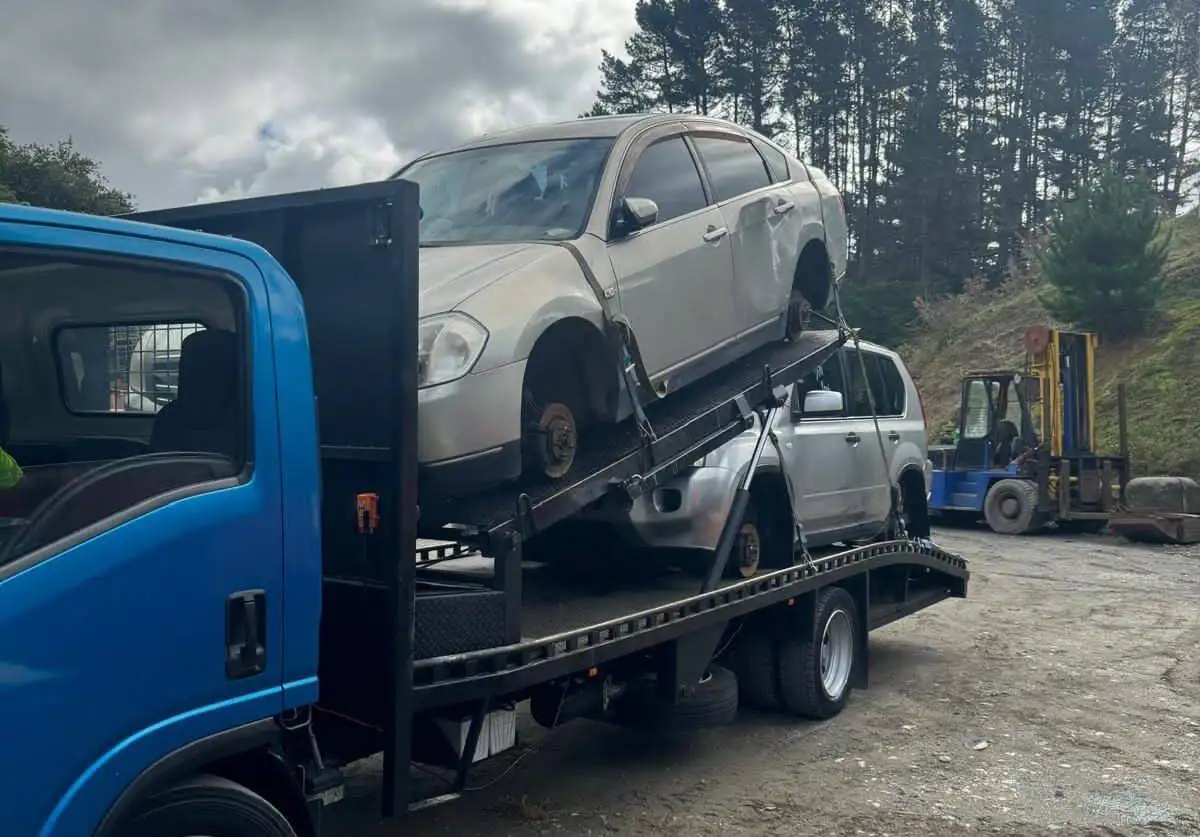
There’s a particular kind of guilt that comes with a dead car sitting in the driveway. It rusts a little more each week, the neighbours start giving it sideways glances, and every time you walk past it you remember you really should do something about it. If you’ve reached that point, the good news is that you can sell broken cars for cash without the hassle of haggling with strangers on Facebook Marketplace or waiting weeks for a buyer who never shows up. Instant cash offer services have changed the game for anyone sitting on a non-runner, and understanding how they actually work will save you time, money, and a fair bit of frustration.
Why Broken Cars Still Have Value
It’s easy to assume that once a car stops running, it’s basically worthless. That couldn’t be further from the truth. Even a vehicle with a seized engine, a cracked block, or hail damage from here to Tuesday still contains valuable raw materials and components that buyers are willing to pay for.
Wreckers and scrap metal dealers look at a broken car through a completely different lens than a private buyer would. They’re not interested in whether it starts on a cold morning. Instead, they’re assessing the weight of the steel, the condition of the alternator, the value of the catalytic converter, and whether the gearbox could be salvaged and resold to someone restoring a similar model. A car that looks like scrap to you might be a goldmine of parts to someone else.
The Parts That Hold Their Value
Some components hold up remarkably well even after a vehicle has been totalled or has given up the ghost mechanically. Engines and transmissions are often still functional even if the body is wrecked, and these are usually the most valuable pieces. Doors, mirrors, and undamaged panels also fetch a decent price on the secondhand parts market, particularly for older or less common models where new parts are scarce or eye-wateringly expensive.
How Instant Cash Offers Actually Work
The phrase “instant offer” gets thrown around a lot, so it’s worth understanding what’s really happening behind the scenes. When you contact a car removal service, they’ll typically ask for some basic details: the make, model, year, condition, and a rough description of the damage or fault. Some companies have moved this entire process online, letting you punch in your rego or VIN and get a ballpark figure within minutes.
That figure isn’t plucked out of thin air. It’s calculated using current scrap metal prices, the resale value of common parts for that particular model, and how much demand exists for those parts in the local market. A popular model like a Toyota Corolla or Holden Commodore will often fetch more simply because there are more buyers chasing parts for it, whereas a rare import might be trickier to value on the spot.
What Happens After You Accept
Once you’ve accepted an offer, the process moves quickly. A reputable buyer will arrange a time, often within 24 to 48 hours, to send someone out to inspect the vehicle in person and confirm the details match what you described. Assuming everything checks out, they’ll pay you on the spot, usually in cash or via bank transfer, and tow the car away themselves. No towing fees, no paperwork headaches, and no driving anywhere in a vehicle that probably shouldn’t be on the road in the first place.
What Affects Your Quote
Not every broken car is valued the same way, and a few key factors will swing your offer up or down. Getting a sense of these before you start calling around means you’ll know if a quote is fair or if you’re being shortchanged.
Make, Model, and Age
Popularity drives demand for parts, which in turn drives up your offer. Common Japanese and Australian-made vehicles tend to attract stronger prices because wreckers know they’ll move the parts quickly. Older vehicles, particularly those well past the twenty-year mark, may be worth less in parts but can sometimes fetch a premium for scrap metal weight if they’re a heavier build.
Extent of the Damage
There’s a meaningful difference between a car that won’t start because of a flat battery and one that’s been through a serious accident or has significant water damage. The former might still have huge resale value as a repairable vehicle, while the latter is more likely headed straight for the crusher. Be upfront about the actual condition when you get a quote, because buyers will adjust the price on inspection if the damage is worse than described, and that can leave you feeling like you’ve been lowballed.
Location and Accessibility
Where you live, and where the car is parked, genuinely matters. If you’re tucked away on acreage with a long gravel driveway, or your car has been quietly decomposing in a garage that the tow truck can barely fit into, this can affect the final figure slightly due to logistics. For most people in metro areas, though, this is a non-issue, and pickup is usually free regardless.
Finding the Right Buyer in Your Area
This is where things get a little more regional, because car removal is very much a localised industry. The best price for your wrecked Mazda in Brisbane might come from a completely different company than the one offering top dollar in Perth. If you’re in Queensland and searching for the top cash for cars Brisbane has to offer, it pays to get quotes from at least two or three operators rather than accepting the first number you hear, since pricing can vary more than people expect between businesses chasing the same stock.
Checking Credentials Before You Commit
A legitimate car removal business should be licensed to handle vehicle disposal and should be able to provide you with proper paperwork confirming the sale, which protects you from any liability once the car leaves your hands. Look for membership with recognised industry bodies, genuine customer reviews, and a willingness to give you a quote over the phone without pressuring you into an on-the-spot decision. If a buyer seems reluctant to put anything in writing, that’s worth treating as a red flag.
Comparing Offers Without Wasting Your Day
You don’t need to ring around for hours to get a fair comparison. Most reputable buyers can give you a quote within minutes over the phone or through an online form, so getting three quotes shouldn’t take more than half an hour out of your day. Jot down the figures, ask each one what’s included (towing, paperwork, payment method), and go with whoever offers the best overall deal rather than just the highest headline number.
Regional Differences Worth Knowing
Australia’s car removal market isn’t uniform, and prices can shift depending on proximity to major scrap processing facilities, local demand for specific parts, and how many removal businesses are actually competing for stock in that area. Coastal regions with a lot of older or weather-affected vehicles sometimes see slightly different pricing trends compared to inland cities.
If you happen to be searching for the best cash for cars gold coast residents can access, you’ll likely notice a healthy number of operators competing for business along that stretch of coast, partly because the salt air tends to accelerate rust and mechanical wear, which keeps a steady supply of broken-down vehicles coming through. That competition generally works in the seller’s favour, so it’s worth taking the time to compare rather than settling for the first call back.
Preparing Your Car for Pickup
Once you’ve accepted an offer, there’s a short list of things worth sorting out before the tow truck arrives. It makes the handover smoother and avoids any last-minute scrambling. Learn more: https://www.maxcashforcars.com.au/scrap-car-removal/
Paperwork You’ll Need
Most states require proof of ownership, such as your registration certificate or a transfer form, along with photo identification. If you’ve lost the paperwork over the years (it happens more often than you’d think), a quick call to your state’s transport authority can usually sort out a replacement or alternative proof of ownership before the pickup date.
Removing Personal Belongings
It sounds obvious, but it’s easy to forget. Check the glovebox, under the seats, in the boot, and anywhere else you might have stashed things over the years. Old registration papers, spare change, sunglasses, and the occasional forgotten parking ticket all seem to turn up at the last minute.
Number Plates
Depending on your state, you may need to remove your number plates before the car is collected and return them to the relevant authority, or transfer them to another vehicle. This step is often overlooked and can cause delays in cancelling your registration and insurance afterwards.
Avoiding Common Pitfalls
A handful of mistakes crop up again and again when people sell a broken car, and most of them are easily avoided with a bit of forward planning.
Underselling Out of Convenience
It’s tempting to accept the first offer just to get the car gone, especially if it’s been an eyesore for months. But a few extra phone calls can sometimes mean the difference of a few hundred dollars, which is well worth the small amount of effort involved.
Forgetting to Cancel Registration and Insurance
Once the car has been removed, don’t forget to formally cancel your registration and notify your insurer. Leaving this step undone can mean you’re still technically liable for a vehicle you no longer own, which is the kind of administrative headache nobody needs.
Not Asking About Hidden Fees
Reputable operators won’t charge you for towing or paperwork, but it’s still worth confirming this upfront. A genuine instant cash offer should be exactly that: the amount you’re quoted is the amount that lands in your account, minus nothing.
Frequently Asked Questions
Can I sell a car that doesn’t run at all?
Yes, absolutely. Most car removal services specialise in non-running vehicles, and a car that won’t start is often still worth a reasonable amount for its parts and metal content.
Do I need a roadworthy certificate to sell a broken car?
Generally no, since these vehicles are being sold for parts or scrap rather than for road use. This is one of the main advantages of going through a dedicated removal service rather than trying to sell privately.
How quickly can the car be picked up?
Many operators offer same-day or next-day pickup once you’ve accepted a quote, particularly in metro areas where they’re already running regular collection routes.
Will I get paid before or after the car is towed?
Most reputable buyers pay on the spot at the time of pickup, once they’ve confirmed the vehicle matches the description given over the phone or online.
What if my car has been in a flood or fire?
These vehicles can still be sold, though the offer will reflect the extent of the damage and what, if anything, can be salvaged for parts versus scrap metal value alone.