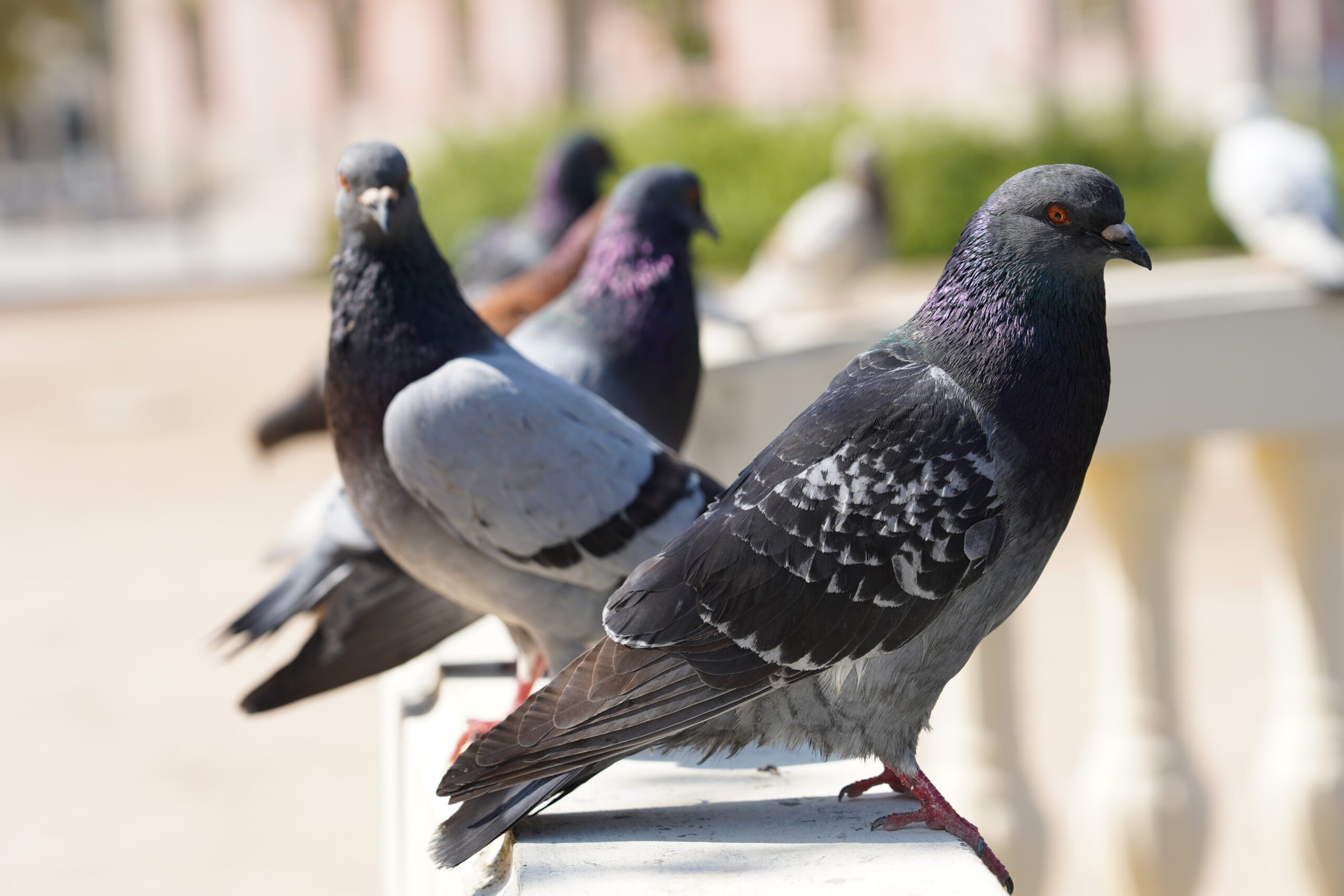
Pigeon issues can show up in many cities across the United States, and Las Vegas is no exception. If you are dealing with birds on rooftops, signs, or ledges, you are not alone. Many building owners face the same thing because pigeons adjust quickly to places where they find food and shelter.
The main concern is not just the birds but what they leave behind. Droppings, nesting, and blocked areas can create long-term cleaning and repair needs. That is why many people look for simple ways to manage them early before the problem grows.
When you search for pigeon control in Las Vegas NV, you will notice most solutions focus on the same idea. You need to remove what attracts pigeons and block the places where they stay. In this guide, you will find practical steps you can follow without complicated methods.
Easy Steps to Control Pigeons in Buildings
Here are clear and simple actions you can take around your building. Each step focuses on small changes that help reduce pigeon activity over time. You do not need special tools for most of these, just regular attention to your space.
1. Keep food sources under control
Pigeons stay where they can eat without trouble. If you leave food waste in open bins or outside areas, birds will return again and again.
You should make sure trash bins stay closed. If you manage a business space, ask staff to clean food spills right away. Even small crumbs in parking areas or near entrances can attract birds.
When food is not easy to find, pigeons usually move to another spot. This is often the first and simplest step you can take.
2. Close gaps and open spaces in the building
Pigeons do not need much space to enter. Small openings in roofs, vents, or broken edges can give them a place to rest or build nests.
You should walk around your building and look for gaps. Pay attention to roof corners, AC units, and wall edges. These are common entry points.
Once you find them, sealing those gaps helps reduce nesting. This step also helps prevent other pests from entering your building, so it works in multiple ways.
3. Use simple bird deterrent tools
You can reduce pigeon landing spots by making surfaces harder for them to sit on. Many buildings use spikes or netting on ledges and roof edges for this reason.
These tools do not directly remove birds. They just make it less comfortable for pigeons to stay in one place. That often leads them to move elsewhere.
You should also check these tools from time to time. Weather and dust can shift them, so they need basic upkeep to stay useful.
4. Fix water leaks and remove standing water
Pigeons also need water, not just food. If your building has leaks, open containers, or standing water, birds may gather there.
You should check rooftops and drainage areas. Even small puddles can attract pigeons over time.
Fixing leaks and improving drainage helps reduce bird activity. It also keeps your building in better overall condition, so this step offers multiple benefits.
5. Clean nesting areas carefully and often
If pigeons have already built nests, you need to remove them. Leaving old nests in place can bring more birds back to the same spot.
You should clean these areas using safe tools and proper protection. Roof edges, balconies, and unused corners are common nesting spots.
After cleaning, check the same area again after a few days. Pigeons may try to return if they still feel the space is safe.
6. Block common resting areas like ledges and rooftops
Pigeons prefer flat and quiet spaces where they can rest without disturbance. Ledges, beams, and rooftops often become their main spots.
You can reduce this by adding barriers or covers. Even simple changes in surface design can make it harder for birds to settle.
You should also check these areas regularly. If pigeons find a new resting place, early action helps stop the pattern from growing.
7. Call for inspection when pigeons keep returning
Sometimes you do everything right, but pigeons still come back. This usually means there is a hidden gap or nesting area you may not see.
In this case, professional inspection helps. Experts can check areas you might miss and suggest long-term steps tailored to your building type.
For many property owners, this becomes the final step when basic methods are not enough.
Summary
Pigeon problems can feel small at first, but they often grow when ignored. The good thing is you can manage most of it with simple habits. Keeping food covered, sealing gaps, removing water sources, and cleaning nesting areas all help reduce bird activity over time.
When you stay consistent with these steps, your building becomes less attractive to pigeons. If the issue persists despite these efforts, it usually indicates that deeper inspection is needed.
For long-term support and pest control solutions in the United States, Enviro Guard Pest Control can help you handle pigeon and other pest problems in a structured way.