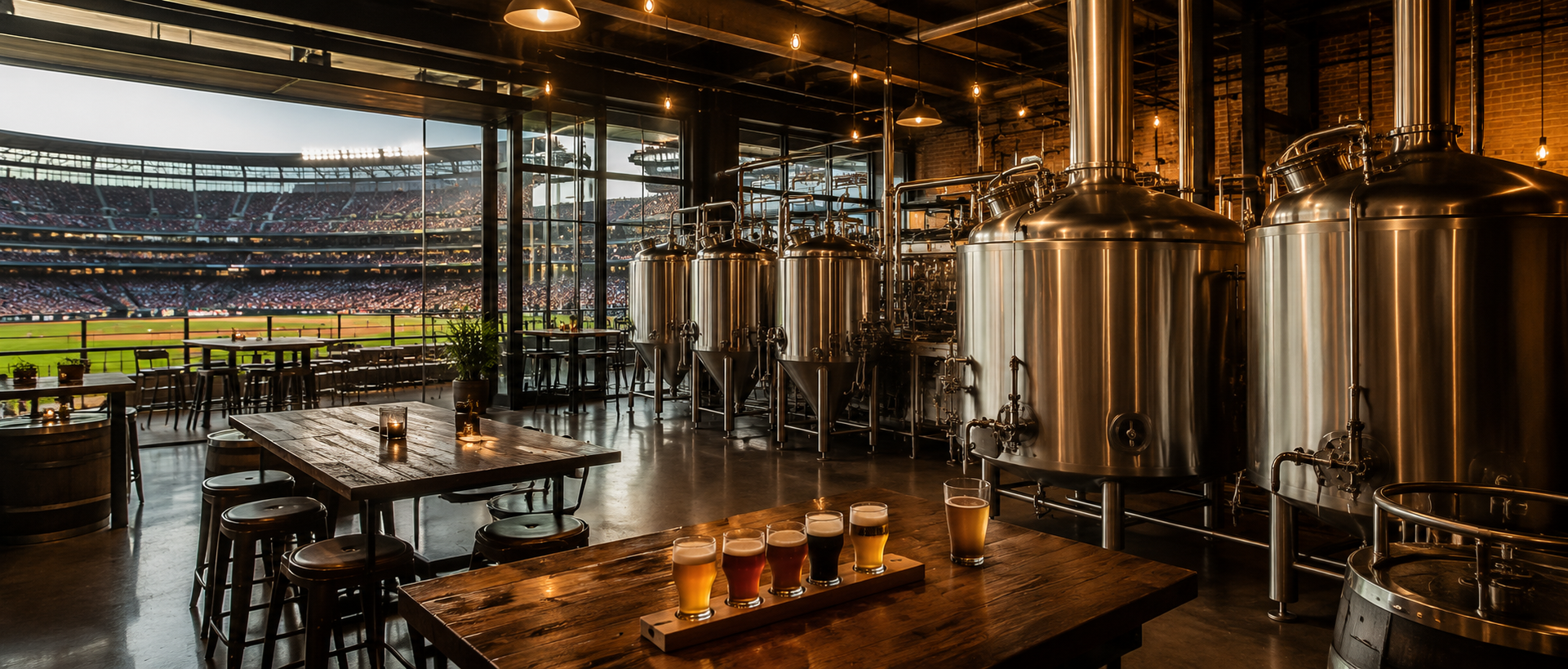
Craft beer culture along the Southern California coast is more than just a passing trend. It is a way of life that celebrates bold hops, sun drenched beaches, and a passion for community. From crisp, refreshing wheat beers to robustly hoppy India Pale Ales, local breweries have mastered the art of capturing the coastal breeze in a glass. For anyone looking to understand what makes West Coast style brewing so legendary, diving deep into the ingredients, history, and tasting profiles of these signature beers is the best place to start.
The story of the West Coast style is deeply rooted in the pioneering spirit of local brewmasters. Decades ago, adventurous brewers decided to push the boundaries of traditional European styles by packing their kettles with high alpha acid hops native to the Pacific Northwest. The result was a revolution of intense citrus, pine, and floral aromas balanced by a clean, dry finish. Today, this iconic style continues to dominate taprooms and backyards, offering beer enthusiasts a refreshing escape with every single sip.
Many local establishments have contributed to this rich legacy of fermentation and hops. If you venture slightly inland to explore the broader regional dining and sports pub scene, you will find places like the historic stadium brewing company that helped establish a culture of pairing fresh draft options with upscale pub fare. This same passion for community, great food, and artisanal brewing is what inspired the founders of Coronado Brewing Company when they first opened their doors in the Crown City.
Understanding the West Coast IPA Flavor Profile
What exactly sets a West Coast IPA apart from its East Coast or hazy counterparts? The answer lies in the deliberate balance of ingredients and the focus on clarity. While hazy beers prioritize yeast suspension and juicy, sweet fruit notes, the classic West Coast style is brilliantly clear and proudly bitter. It utilizes a neutral ale yeast that ferments clean, allowing the brilliant hop character to shine without any muddying sweetness.
The malt bill of a traditional West Coast style is deliberately kept light. Brewers often use pale malt alongside a touch of caramel malt to provide just enough backbone to support the aggressive hop additions. This produces a beautiful golden to copper hue. The star of the show is always the hop profile, which traditionally features classic varieties like Cascade, Centennial, Chinook, and Columbus, alongside newer favorites like Citra and Mosaic.
When you take a sip of a classic West Coast style brew, the initial sensation is a burst of bright grapefruit zest, resinous pine needles, and tropical fruit undertones. This is quickly followed by a assertive, clean bitterness that sweeps across the palate. The finish is remarkably dry, which naturally prepares your taste buds for the next sip and makes the beer incredibly refreshing on a warm beach afternoon.
Navigating the Rise of Non Alcoholic Craft Beers
The craft beverage landscape is shifting as more consumers seek mindful drinking options without sacrificing flavor. Non alcoholic (NA) craft beers have transitioned from a niche market to a mainstream staple. Modern brewing technology allows brewers to gently remove alcohol while preserving the delicate hop oils, malt complexity, and crisp finish that beer lovers expect. Offering a robust NA selection ensures that everyone at the table can participate in the social taproom experience.
The Importance of Grain to Glass Sustainability
Today’s craft beer consumers are highly conscious of the environmental footprint behind their favorite pints. Coastal breweries are leading the charge by implementing sustainable brewing practices, such as capturing and reusing steam, conserving water during the cleaning process, and donating spent grain to local farms for animal feed.
By highlighting these eco friendly initiatives, breweries not only protect their local coastal environments but also build deeper loyalty with environmentally conscious drinkers.
Demystifying the Role of Yeast in Beer Flavor Profiles
While hops often get the spotlight in West Coast brewing, yeast is the unsung hero of the fermentation process. Different yeast strains do far more than convert sugars into alcohol; they produce esters and phenols that contribute aromas ranging from banana and clove to subtle stone fruits.
Understanding how clean fermenting neutral yeasts differ from expressive Belgian or wild strains gives craft beer enthusiasts a deeper appreciation for the subtle complexities in every pour.
The Art of Crafting Award Winning Brews
Behind every memorable beer is a meticulous brewing process that merges science with artistic expression. It starts with selecting water with a high mineral content, particularly sulfates, which helps accentuate the crisp bitterness of the hops. From there, the brewmaster carefully schedules hop additions throughout the boiling process to extract both bitterness and delicate aromatic oils.
Early hop additions in the boil kettle provide the signature bitter foundation. Late additions, particularly during the whirlpool stage after the boil has finished, infuse the wort with aromatic compounds without adding harsh bitterness. To take the aroma to the next level, brewers use a technique known as dry hopping, adding dry hop cones or pellets directly to the fermentation tank after primary fermentation is complete.
This dedication to quality ingredients and innovative techniques has earned local breweries international acclaim. Icons of the coast, like the Great American Beer Festival and World Beer Cup, have frequently recognized these efforts. Whether it is a gold medal winning India Pale Ale or a classic witbier, the commitment to crafting highly drinkable, flavor forward beers remains the driving force behind the local craft scene.
Exceptional Food Pairings for Coastal Beers
To truly appreciate the complexity of craft beer, pairing it with the right food is essential. The intense hop character and high carbonation of a West Coast style IPA make it an excellent palate cleanser. It easily cuts through rich, fatty foods, making it the ultimate companion for beachside dining.
Classic fish tacos, seasoned with citrus and topped with chipotle cream, are a perfect match. The bright citrus notes of the beer complement the fresh fish, while the clean bitterness cuts right through the creamy sauce. For those who prefer hearty pub classics, a gourmet wood fired pizza topped with pepperoni and hot honey or a classic backyard burger with caramelized onions will stand up beautifully to the bold malt and hop profile of a strong double IPA.
If you are enjoying a lighter selection like a Belgian style witbier brewed with orange peel and local honey, try pairing it with a fresh spinach and artichoke dip or a crisp garden salad dressed in vinaigrette. The subtle sweetness and herbal spice of the wheat beer complement lighter dishes without overpowering them, creating a harmonious dining experience.
Building Community Around the Taproom Experience
A brewery is far more than just a production facility; it is a vital gathering place for the community. Taprooms serve as neighborhood living rooms where friends, families, and even four legged companions gather to share stories, celebrate milestones, and enjoy fresh beer straight from the source. This connection to the local community is what gives coastal breweries their unique charm.
From charity events and collaborative brews with local artists to casual trivia nights, the taproom experience is designed to foster connection. Drinking a beer where it was brewed, surrounded by the people who made it, adds a layer of appreciation that you simply cannot get from a bottle off a retail shelf. It is about celebrating the local lifestyle, one pint at a time.
As you plan your next coastal adventure, visiting a local taproom should be at the top of your list. Whether you are a seasoned beer connoisseur or a curious newcomer, the welcoming atmosphere, passionate staff, and diverse tap list guarantee a memorable experience that captures the true essence of West Coast hospitality.
Frequently Asked Questions
What is the difference between a West Coast IPA and a East Coast IPA?
A West Coast IPA is known for its bright clarity, dry finish, and strong emphasis on piney, citrusy bitterness. In contrast, an East Coast IPA is typically hazy, has a softer mouthfeel, and focuses on sweet, juicy, tropical fruit flavors with much lower bitterness.
Why do craft breweries use dry hopping?
Dry hopping is the process of adding hops to the beer after the boiling stage, usually during fermentation. This technique extracts the aromatic oils and resins from the hops without releasing their bittering acids, giving the beer an incredibly fresh, vibrant aroma.
What foods pair best with a citrus wheat beer?
Citrus wheat beers, like traditional Belgian witbiers, pair wonderfully with lighter dishes. Excellent choices include fresh seafood, citrus salads, artisan goat cheeses, and spicy dishes like Thai curry, where the beer’s sweet citrus notes help cool the palate.
Does craft beer taste better on draft than in a can?
Draft beer from a well maintained tap system offers exceptional freshness and a smooth mouthfeel due to precise carbonation control. However, modern canning technology is excellent at preserving beer by keeping out light and oxygen, making cans a fantastic, portable option for the beach.
How should I store my craft beer to keep it fresh?
To maintain the optimal flavor of your craft beer, store it upright in a cool, dark place, preferably a refrigerator. Keeping the beer cold slows down the natural oxidation process, preserving the bright hop aromas and fresh flavors for as long as possible.
Conclusion
The vibrant world of coastal craft beer is a testament to creativity, community, and a deep appreciation for quality ingredients. From the bold, piney profiles of iconic West Coast IPAs to the refreshing, honey infused notes of classic wheat ales, there is a brew designed for every palate and every occasion.
By focusing on meticulous brewing techniques and fostering a welcoming taproom environment, coastal breweries continue to set the standard for exceptional craft beverages. Whether you are pairing a fresh pint with local fish tacos or sharing a flight with friends at your local taproom, each glass represents a rich history of innovation and a passion for the coastal lifestyle. Grab a cold glass, support your local brewers, and enjoy the refreshing taste of the coast.