
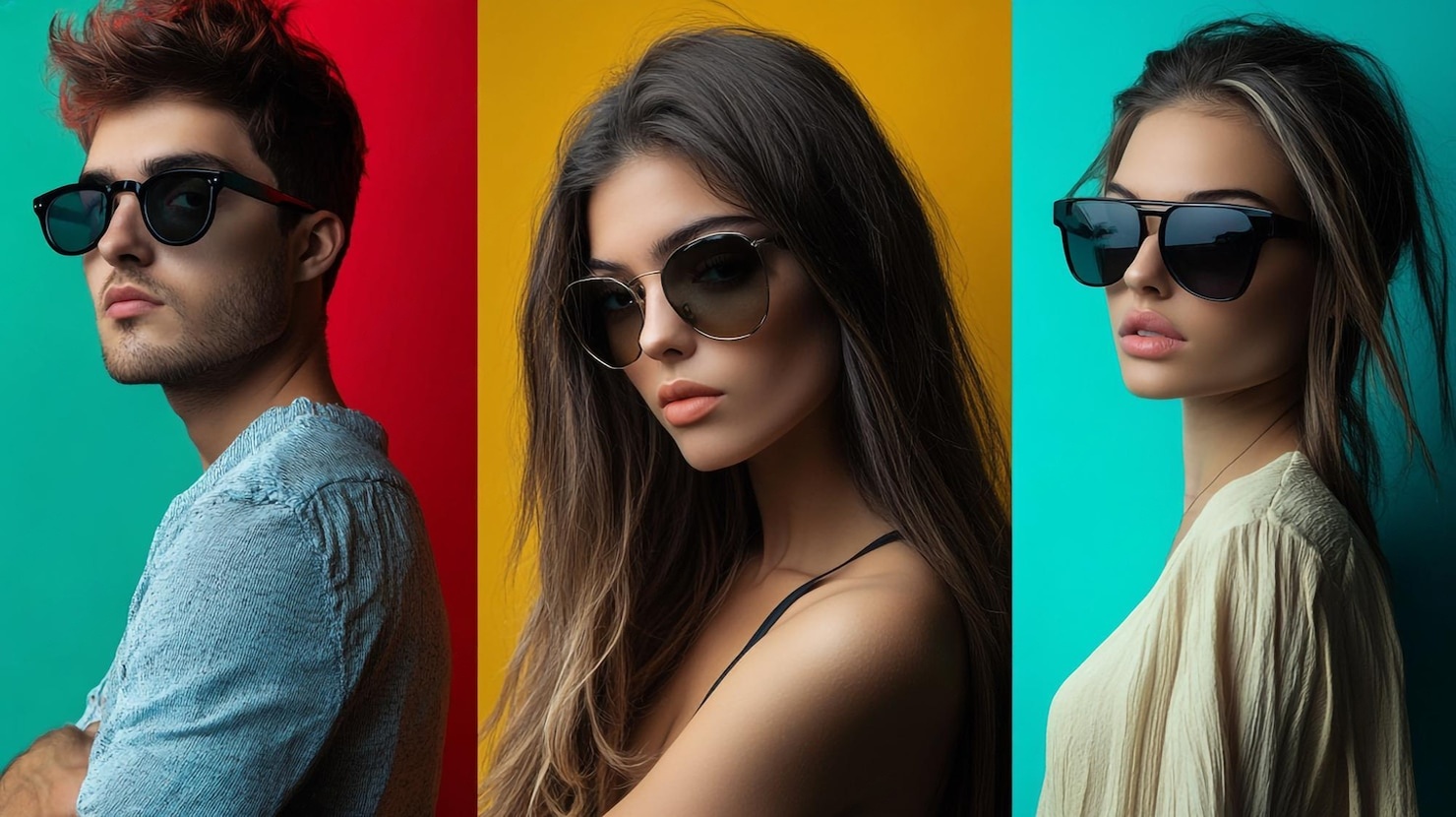
Eyewear has evolved far beyond its original purpose of protecting the eyes from sunlight. Today, sunglasses are an important part of personal style, lifestyle, and even technology. As consumer preferences continue to change, designers are exploring new materials, shapes, colors, and production techniques to create eyewear that feels both contemporary and practical. The latest Sunglasses trends are therefore influencing not only what people wear, but also how the next generation of eyewear is imagined and developed.
Minimalism Meets Statement Design
One of the most noticeable changes in modern eyewear is the balance between minimalist aesthetics and bold statement pieces. Consumers are increasingly interested in clean silhouettes that can complement different outfits while still offering a distinctive visual identity.
Slim frames, subtle geometric shapes, and refined finishes are gaining attention among people who prefer understated accessories. At the same time, oversized lenses, sculptural frames, and unconventional proportions continue to appeal to individuals looking for something more expressive.
This contrast gives designers greater freedom to experiment. Rather than following one universal style, the industry is moving toward designs that allow people to communicate their personalities through eyewear.
Sustainability Is Influencing Eyewear Innovation
Environmental awareness is also becoming an important part of product development. Customers are paying closer attention to how products are made, where materials come from, and how long those products are expected to last.
As a result, designers are exploring alternatives to conventional materials, including recycled plastics, bio-based materials, plant-derived components, and responsibly sourced resources. Sustainable packaging and manufacturing processes are also becoming part of the conversation.
For an Eyewear design studio, sustainability is no longer simply an additional feature. It can influence the entire creative process, from selecting materials to designing products that are durable and easier to maintain.
The challenge is to create environmentally conscious eyewear without sacrificing comfort, appearance, or performance. Designers who successfully combine these elements can help shape a more responsible future for the industry.
Technology Is Changing the Way Eyewear Is Designed
Technology has transformed almost every stage of eyewear development. Digital modeling and 3D visualization allow designers to experiment with proportions and structures before creating physical prototypes.
Advanced manufacturing technologies can also make it easier to produce complex shapes and customized components. This can reduce development time while giving designers more opportunities to test innovative concepts.
Artificial intelligence and digital design tools are beginning to provide additional possibilities. Designers can analyze visual preferences, explore variations, and develop concepts more efficiently. However, technology does not replace creative thinking. The strongest results come from combining digital capabilities with human understanding of aesthetics, ergonomics, and consumer behavior.
Personalization Is Becoming More Important
Modern consumers increasingly expect products to feel relevant to their individual needs. Eyewear is particularly suited to personalization because facial structure, lifestyle, fashion preferences, and comfort requirements can vary significantly from person to person.
Future eyewear may offer more options for customized frame dimensions, lens features, colors, finishes, and fit. Digital fitting technologies can also help consumers understand how different styles may look before purchasing.
This growing demand for personalization is shaping broader Eyewear trends, encouraging designers to think beyond standard sizes and traditional product categories.
Functional Features Are Becoming Part of Style
Fashion and functionality are no longer separate concepts in modern sunglasses. Consumers want products that look attractive while supporting their everyday routines.
Polarized lenses, UV protection, lightweight construction, impact resistance, and improved comfort remain important considerations. However, designers are finding creative ways to integrate these features into visually appealing products.
Future eyewear could also become more connected to digital lifestyles. Smart glasses and technology-enabled frames are creating opportunities for designers to consider elements such as sensors, audio systems, cameras, and digital interfaces while maintaining a fashionable appearance.
The challenge will be making technology feel natural rather than distracting. Successful designs will need to combine useful functionality with the simplicity and comfort people expect from everyday eyewear.
The Role of Creative Eyewear Design
Behind every successful frame is a design process that considers much more than appearance. Proportion, balance, materials, comfort, functionality, production requirements, and cultural influences all contribute to the final product.
Studios specializing in eyewear development have an important role in bringing emerging ideas to life. Selin Olmsted Studio, for example, represents the kind of creative environment where design thinking can connect aesthetics with innovation and changing consumer expectations.
As the market becomes more competitive, originality will become increasingly valuable. Designers must understand current styles while also identifying opportunities to create something new rather than simply repeating existing trends.
Looking Ahead
The future of eyewear will likely be defined by a combination of creativity, technology, sustainability, and personalization. Sunglasses trends will continue to evolve as consumers seek products that reflect their identities while meeting practical needs.
From sustainable materials and advanced manufacturing to customized fits and technology-integrated frames, innovation is opening new possibilities for designers. At the same time, timeless principles such as comfort, quality, proportion, and visual appeal will remain essential.
The most successful eyewear concepts will not simply follow trends. They will interpret cultural changes and consumer needs to create products that feel relevant for years to come. As Eyewear trends continue to develop, creative studios and independent designers will have an increasingly important role in shaping what people see, wear, and expect from eyewear in the future.
Frequently Asked Questions
1. What are the latest sunglasses trends?
Current trends include minimalist frames, oversized designs, geometric shapes, sustainable materials, and personalized styles.
2. How are eyewear trends changing?
Eyewear trends are moving toward greater personalization, sustainable production, innovative materials, and designs that combine fashion with functionality.
3. Why is sustainability important in eyewear design?
Sustainable materials and responsible manufacturing help reduce environmental impact while supporting durable and innovative eyewear products.
4. How is technology influencing eyewear design?
Digital modeling, 3D visualization, and smart eyewear technologies are helping designers create more functional and innovative products.
5. What makes a good eyewear design?
A strong design combines comfort, durability, functionality, attractive proportions, and a distinctive visual identity.