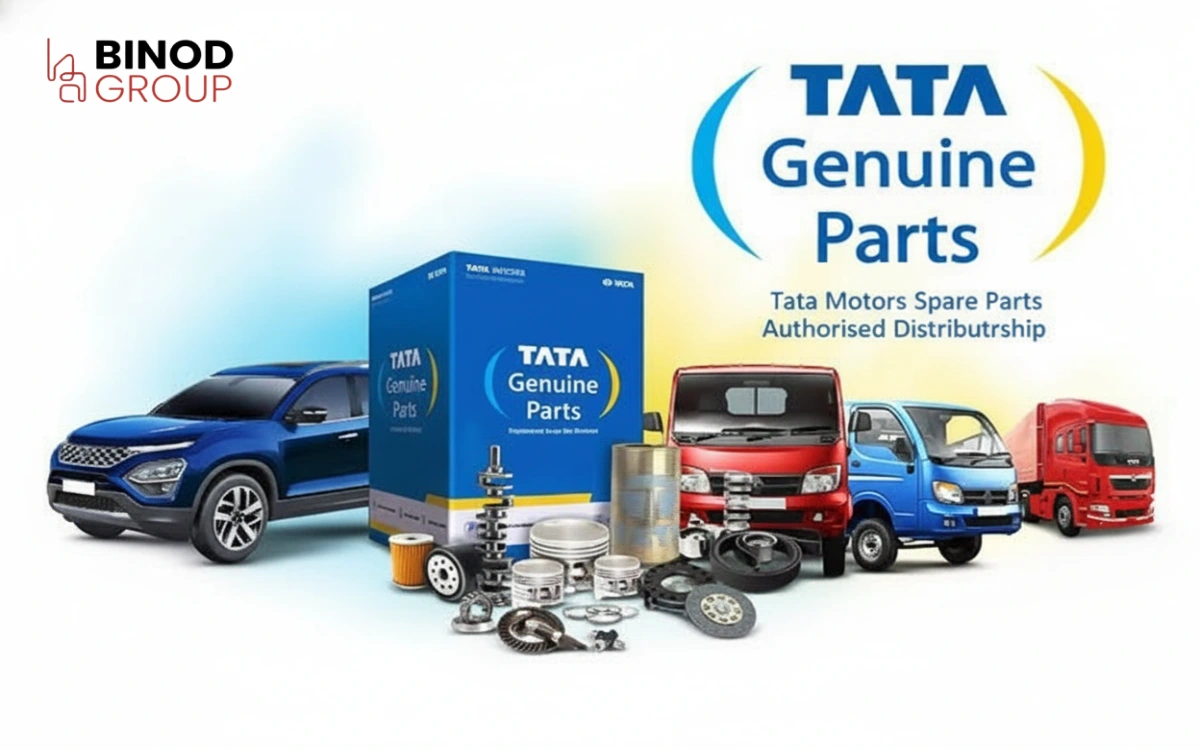
A Complete Guide to Becoming an Authorized Spare Parts Distributor
The automotive industry in India continues to grow rapidly, creating strong demand for quality vehicle spare parts across the country. As more commercial vehicles, passenger cars, and utility vehicles hit the roads, the need for reliable spare parts and maintenance services also increases.
For entrepreneurs looking to enter the automotive business, obtaining a tata spare parts authorised distributorship can be an excellent opportunity. An authorized distributorship allows businesses to supply genuine spare parts to workshops, retailers, service centers, and vehicle owners while benefiting from the reputation of a trusted automotive brand.
This article explains everything you need to know about the distributorship application process, eligibility requirements, benefits, investment considerations, and tips for success.
Understanding Tata Spare Parts Distribution
Spare parts play a crucial role in maintaining vehicle performance, safety, and longevity. Genuine spare parts are designed to match original vehicle specifications, ensuring proper functioning and reliability.
An authorized distributor acts as an official channel between the manufacturer and the market. The distributor receives genuine products and supplies them to dealers, retailers, garages, fleet operators, and customers.
With an authorized distribution network, customers gain access to original products, while distributors benefit from a trusted business model and strong market demand.
Why Genuine Spare Parts Matter
Vehicle owners often face a choice between genuine spare parts and aftermarket alternatives. While cheaper alternatives may appear attractive, genuine spare parts offer several advantages:
Better Quality
Original spare parts are manufactured according to strict quality standards, ensuring reliable performance and durability.
Improved Safety
Vehicle safety depends on properly functioning components. Genuine parts help maintain the original safety standards of the vehicle.
Longer Lifespan
Quality components generally last longer, reducing the frequency of replacements and repairs.
Manufacturer Compatibility
Original spare parts fit perfectly and work seamlessly with vehicle systems.
Customer Satisfaction
Businesses that supply genuine products often build stronger customer trust and loyalty.
What Is a Tata Spare Parts Authorised Distributorship?
A distributorship is a business arrangement where a company authorizes a distributor to store, market, and sell its spare parts within a designated region.
The distributor may serve:
- Automobile retailers
- Workshops
- Fleet operators
- Service centers
- Government departments
- Industrial customers
- Vehicle owners
Authorized distributors help ensure the availability of genuine spare parts across different locations.
Benefits of Becoming an Authorized Distributor
Many entrepreneurs choose automotive distributorships because of the growing demand for vehicle maintenance products.
Strong Brand Recognition
A well-established automotive brand attracts customers who prefer trusted products.
Growing Market Demand
India’s expanding vehicle population continuously creates demand for replacement parts and maintenance components.
Access to Genuine Products
Authorized distributors receive original spare parts through official supply channels.
Business Credibility
Authorization helps build trust among customers, mechanics, retailers, and service centers.
Long-Term Business Potential
Spare parts are recurring necessities, making the industry suitable for long-term growth.
Network Expansion Opportunities
Distributors can expand their customer base by supplying multiple retailers and workshops within their territory.
Eligibility Requirements for Distributorship
While requirements may vary depending on location and business needs, applicants generally need to meet certain criteria.
Business Experience
Experience in automotive products, spare parts, logistics, or distribution can be beneficial.
Financial Stability
Applicants should have sufficient funds to manage inventory, warehousing, transportation, and operational expenses.
Warehouse Facilities
A suitable storage facility is often necessary to maintain inventory and ensure timely deliveries.
Market Knowledge
Understanding local automotive markets helps distributors identify customer needs and business opportunities.
Strong Business Infrastructure
Efficient inventory management, billing systems, and customer support capabilities contribute to business success.
Commitment to Customer Service
Providing reliable service and maintaining product availability are essential for long-term growth.
Steps for Tata Spare Parts Authorised Distributorship Application
Understanding the application process helps entrepreneurs prepare effectively.
Step 1: Research the Market
Before applying, study the local demand for spare parts.
Consider:
- Number of vehicles in the region
- Existing dealers and workshops
- Competition levels
- Growth potential
- Customer preferences
Market research helps determine whether the business opportunity aligns with local demand.
Step 2: Prepare Business Documentation
Applicants should organize all required documents before beginning the application process.
Common documents may include:
- Business registration certificates
- Identity proof
- Address proof
- GST registration
- Financial statements
- Bank details
- Property documents or lease agreements
Proper documentation can help streamline the application process.
Step 3: Submit the Application
The application is typically submitted through official channels. Applicants provide details about:
- Business background
- Infrastructure
- Financial capacity
- Proposed market coverage
- Experience in distribution
Accurate information improves the chances of a successful review.
Step 4: Evaluation Process
The company may evaluate:
- Business capability
- Financial strength
- Market potential
- Infrastructure readiness
- Distribution experience
The evaluation helps determine whether the applicant can effectively serve the assigned territory.
Step 5: Site Verification
In some cases, representatives may inspect warehouses, offices, or storage facilities to assess operational readiness.
Step 6: Approval and Agreement
Upon approval, the distributor may enter into an official agreement outlining business responsibilities, operating standards, and distribution guidelines.
Step 7: Business Setup and Training
Authorized distributors may receive guidance regarding:
- Product categories
- Inventory management
- Sales processes
- Customer support
- Distribution procedures
Training helps ensure smooth business operations.
Investment Considerations
Starting a spare parts distributorship requires planning and investment.
Inventory Investment
Distributors need sufficient stock to meet customer demand.
Warehouse Costs
Storage facilities must be organized and capable of handling inventory efficiently.
Transportation Expenses
Reliable logistics support timely product deliveries.
Staffing Requirements
Businesses may require personnel for sales, inventory management, accounting, and customer service.
Technology Systems
Inventory software and billing systems help improve operational efficiency.
Marketing Activities
Promotional efforts help build awareness among retailers, workshops, and fleet operators.
Infrastructure Requirements
A strong infrastructure supports business growth and customer satisfaction.
Storage Space
Adequate warehouse space is necessary for stocking various spare parts.
Inventory Management System
A systematic approach helps track stock levels and reduce shortages.
Office Setup
Administrative operations require organized office facilities.
Transportation Network
Timely delivery is a major factor in customer satisfaction.
Communication Systems
Efficient communication helps maintain strong relationships with customers and suppliers.
Challenges in the Spare Parts Distribution Business
Like any business, spare parts distribution comes with certain challenges.
Inventory Management
Maintaining the right balance between stock availability and inventory costs can be difficult.
Market Competition
Distributors must compete with local suppliers and aftermarket products.
Demand Fluctuations
Certain products may experience seasonal or market-based demand changes.
Customer Expectations
Customers often require fast deliveries and immediate product availability.
Supply Chain Management
Efficient coordination between suppliers, warehouses, and customers is essential.
Understanding these challenges helps distributors prepare effective solutions.
Tips for Running a Successful Spare Parts Distributorship
Success depends on more than just obtaining authorization.
Focus on Customer Relationships
Strong relationships encourage repeat business and long-term partnerships.
Maintain Inventory Availability
Customers prefer distributors who consistently have required products in stock.
Provide Quick Deliveries
Fast service can create a competitive advantage.
Invest in Staff Training
Knowledgeable employees can better assist customers and improve satisfaction.
Use Technology
Inventory management systems help reduce errors and improve efficiency.
Monitor Market Trends
Understanding customer requirements helps identify growth opportunities.
Build a Strong Dealer Network
Expanding relationships with retailers and workshops can increase sales volume.
Future Opportunities in the Automotive Spare Parts Industry
The automotive aftermarket industry continues to evolve with changing vehicle technologies and increasing vehicle ownership.
Several trends are expected to drive future growth:
- Expansion of commercial transportation
- Rising vehicle ownership
- Increased maintenance awareness
- Growth of organized distribution networks
- Digital inventory management systems
- Improved logistics infrastructure
Businesses that adapt to these trends can create long-term success in the industry.
Common Mistakes to Avoid
New distributors should avoid certain common mistakes.
Inadequate Market Research
Understanding local demand is critical before investing.
Poor Inventory Planning
Overstocking or understocking can negatively affect profitability.
Ignoring Customer Service
Satisfied customers are essential for sustainable growth.
Weak Financial Planning
Proper budgeting helps manage business risks effectively.
Lack of Operational Systems
Efficient processes support smooth business operations and scalability.
Conclusion
Applying for a tata spare parts authorised distributorship can be a rewarding opportunity for entrepreneurs interested in the automotive sector. With growing demand for genuine spare parts, authorized distributors play a vital role in supporting vehicle maintenance and customer satisfaction. By understanding the application process, preparing the necessary infrastructure, and focusing on excellent service, businesses can build a strong foundation for long-term growth. For those seeking guidance and support in exploring distribution opportunities, Binod Group can help provide valuable industry insights and business assistance.