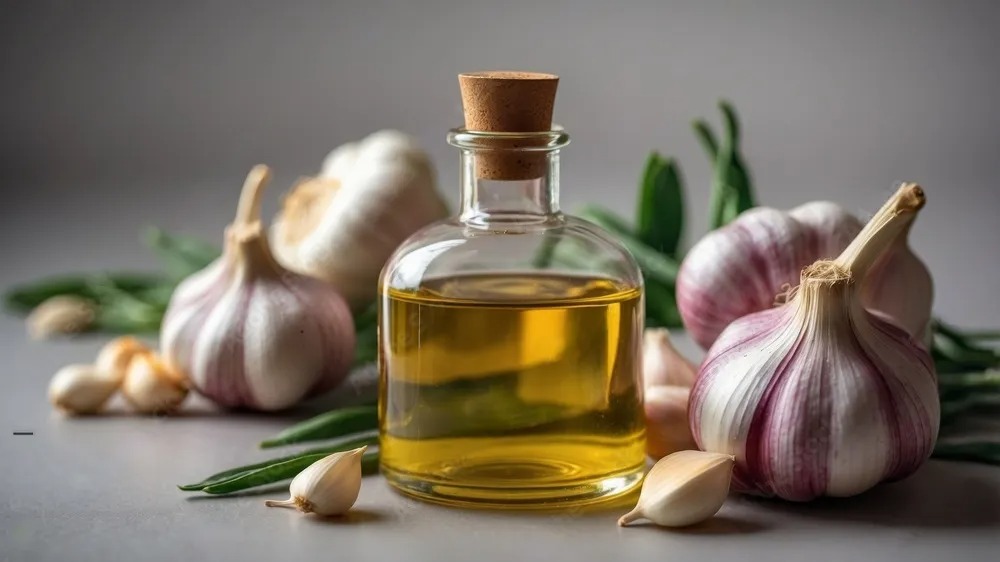
Garlic oil has moved far beyond the kitchen shelf. Today, it plays a role in supplements, skincare, agriculture, and even industrial pest control formulations. As demand grows across these sectors, businesses are increasingly searching for a reliable garlic oil wholesaler who can supply consistent, high-quality oil at scale. Whether you manufacture health capsules, formulate topical products, or produce agri-based solutions, understanding how garlic oil is sourced, processed, and used across industries can help you make smarter purchasing decisions.
Why Garlic Oil Is in High Demand
Garlic oil has been used for centuries in traditional remedies, valued for its pungent aroma and powerful bioactive compounds like allicin. When extracted into oil form, these compounds become concentrated, making garlic oil suppliers a versatile ingredient for multiple product categories.
Some of the key benefits fueling demand include:
- Cardiovascular and immune support – Garlic oil is widely used in supplement capsules aimed at heart health and immunity.
- Antimicrobial properties – Its natural antibacterial and antifungal compounds make it valuable in both health products and agricultural applications.
- Hair and scalp care – Many haircare brands use garlic oil in serums and treatments targeting hair thinning and scalp health.
- Natural pest deterrent – In agriculture, garlic oil is used as a base for pesticide and insect-repellent formulations.
- Flavoring and food applications – Some food manufacturers use it as a concentrated flavoring agent in sauces, seasonings, and snack coatings.
Because of this range of uses, garlic oil manufacturers buyers typically need larger, more consistent volumes than a retail supplier can offer, which is why sourcing directly from a wholesale supplier makes commercial sense.
How Garlic Oil Is Processed for Wholesale Supply
Quality garlic oil doesn’t happen by accident. Wholesalers who supply serious B2B buyers typically follow a structured production process to ensure the oil meets the purity and potency standards required by different industries.
- Raw Material Sourcing – The process begins with selecting fresh, high-allicin-content garlic bulbs, often sourced from regions known for strong yields.
- Cleaning and Crushing – Bulbs are cleaned and crushed to release the sulfur compounds responsible for garlic’s characteristic potency.
- Extraction – Depending on the intended use, oil can be extracted via steam distillation (common for essential oil-grade garlic oil) or oil infusion/maceration methods (common for softgel and cosmetic-grade oil).
- Filtration and Refinement – The extracted oil is filtered to remove particulates and, in some cases, refined further to reduce sediment and stabilize the aroma profile.
- Quality Testing – Batches are tested for allicin content, acid value, microbial contamination, and overall purity before being cleared for sale.
- Bulk Packaging – Oil is packed into drums, IBC totes, or smaller bulk containers depending on order size, along with proper labeling for traceability and shipment.
- Documentation – Reputable suppliers provide a Certificate of Analysis (CoA), Safety Data Sheet (SDS), and, for international orders.
This structured approach ensures buyers receive oil suited to their specific application — whether that’s a pharmaceutical-grade product or an agricultural-grade formulation.
Industries That Depend on Bulk Garlic Oil
Garlic oil’s versatility means it touches a surprisingly wide range of industries. Some of the biggest bulk buyers include:
- Nutraceuticals and Supplements – Used extensively in softgel capsules, tinctures, and functional health blends targeting heart and immune health.
- Cosmetics and Personal Care – Found in hair oils, scalp treatments, and some anti-acne skincare formulations due to its antimicrobial properties.
- Agriculture and Agrochemicals – A key ingredient in organic and bio-based pesticide and repellent products, valued for being a natural alternative to synthetic chemicals.
- Food and Flavor Manufacturing – Used as a concentrated flavor base in sauces, dressings, snack seasonings, and processed food products.
- Veterinary and Animal Health – Some animal feed and wellness product manufacturers incorporate garlic oil bulk for its natural antimicrobial benefits.
Because requirements differ so much — a pharmaceutical company needs different purity standards than an agrochemical formulator — working with a wholesaler who understands grade distinctions is critical to avoiding compliance or performance issues later.
What to Look for in a Garlic Oil Wholesale Supplier
Price per kilogram is only one piece of the puzzle when selecting a supplier. Serious B2B buyers should also evaluate:
- Consistency of allicin content across batches
- Third-party lab testing and transparent documentation
- Packaging flexibility for different order volumes
- Export capability and compliance documentation for international shipments
- Communication and reliability for repeat, long-term sourcing
Suppliers such as Hetaksh Essential Oils reflect the kind of structured, documentation-backed approach that B2B buyers look for — offering bulk quantities alongside the quality assurance needed for regulated industries like supplements and cosmetics. Choosing a partner with this level of transparency helps reduce sourcing risk, especially for businesses scaling production.
Ultimately, the right wholesale relationship isn’t just about securing the lowest price — it’s about building a dependable, long-term supply chain that supports consistent product quality.
Frequently Asked Questions (FAQ)
Q1: What is the typical minimum order quantity (MOQ) for wholesale garlic oil?
MOQs vary by supplier and application, often starting around 25–50 kg for smaller buyers and scaling up to full drum quantities (180–200 kg) for larger manufacturers.
Q2: What’s the difference between steam-distilled and infused garlic oil?
Steam-distilled garlic oil is highly concentrated and typically used for essential oil applications, while infused (maceration-based) garlic oil is milder and commonly used in softgel supplements and cosmetic formulations.
Q3: What certifications or documents should I request before buying in bulk?
Ask for a Certificate of Analysis (CoA), Safety Data Sheet (SDS), and, for imports, a MSDS (Material Safety Data Sheet) Certificate to confirm quality, safety, and regulatory compliance.
Q4: How should bulk garlic oil be stored to maintain quality?
Store it in a cool, dark environment away from direct sunlight, in airtight, food-grade or industrial-grade containers to prevent oxidation and preserve potency.
Q5: Which industries purchase the largest volumes of garlic oil?
The nutraceutical/supplement industry and agricultural sector (for pesticide formulations) are typically the largest bulk buyers, followed by cosmetics and food flavoring manufacturers.
Q6: Does garlic oil have a shelf life, and how long does it typically last?
Yes, properly stored garlic oil generally has a shelf life of 12–24 months, though this can vary based on extraction method, packaging, and storage conditions.