Transitioning a residential property to an independent green energy platform stands as one of the most reliable methods for locking in long-term household financial predictability. In a modern economic climate continuously impacted by volatile municipal utility rate increases, sudden distribution surcharges, and localized infrastructure failures during extreme seasonal weather, producing your own electricity provides a powerful hedge. Photovoltaic arrays, engineered with zero internal moving parts, are designed to harvest clean, free power for up to three decades. However, because a residential solar energy system is a significant asset that integrates directly with your property, its long-term reliability is determined by the quality of its installation. Vetting your contractor thoroughly before signing any agreements is the only way to safeguard your investment. Utilizing a structured evaluation protocol when reviewing solar panel installers in my area ensures that your system remains safe, legal, and highly productive for its entire operating lifespan.
A residential solar station functions as a high-voltage electrical infrastructure asset that interfaces directly with your home’s roof deck, structural rafters, main breaker panels, and the public utility grid. Because these systems handle high current and must withstand extreme outdoor elements, specialized industry expertise is non-negotiable. Relying on uncertified general laborers, unpermitted door-to-door sales networks, or cheap third-party subcontractors introduces massive financial and physical risks. If a system is engineered poorly, you could face severe structural damage, roofing failures, or dangerous electrical short circuits. Partnering with a fully licensed, locally rooted specialist when assessing solar panel installers in my area guarantees that your system is designed and deployed to exact engineering standards, keeping your home safe and your financial investment secure.
1. Verify Active Licensing, Bonding, and Comprehensive Insurance
The foundational step in vetting any local contractor is confirming their legal right to operate on your property. Solar installation requires a blend of advanced roofing mechanics and high-voltage electrical engineering. Therefore, a reputable company must carry distinct, valid credentials.
- State Specialty Licensing: Ensure the company holds an active specialty license for solar contracting, or a master electrician’s license that explicitly permits solar installations.
- Substantial Liability Insurance: Never work with a firm that carries less than $2,000,000 in general liability insurance. This policy protects your property in the rare event of major structural or accidental damage during construction.
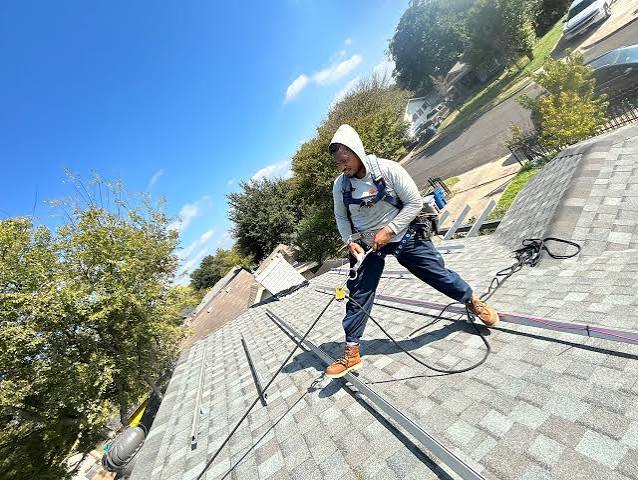
- Direct Worker’s Compensation: Verify that all team members stepping onto your roof are full-time employees covered by comprehensive worker’s compensation insurance. If an uninsured subcontractor suffers an injury on your property, you could be held liable for medical damages.
2. Evaluate Core Engineering Math and System Sizing Accuracy
A primary red flag during the vetting process is an installer who provides a blind price quote based solely on your square footage without analyzing your historical electrical bills. Accurate solar array design requires a careful calculation of your home’s unique energy consumption profile.
Predatory sales groups often inflate the number of panels ($N$) to increase their commission fees, or undersize the system to show a artificially low price.
Hiring dedicated, professional solar panel installers in my area ensures that technicians run these calculations accurately based on 12 to 24 months of real energy data, creating an optimized system that covers your needs without wasting money.
3. Demanding Full Transparency in the Supply Chain and Component Models
The long-term return on your clean energy investment depends heavily on the quality of the hardware mounted to your roof. Low-quality, off-brand components frequently suffer from rapid degradation, micro-cracking, and premature component failures.
Top-tier contractors provide a fully transparent, line-item proposal detailing the exact manufacturer and model numbers for the panels, racking, inverters, and battery storage systems.
They use Tier-1 monocrystalline panels from recognizable brands and pair them with microinverter architecture to prevent single points of failure across the system.
If an installer refuses to provide itemized hardware model numbers, they are likely cutting corners with cheap, obsolete equipment.
4. The Professional Vetting, Interview, and Procurement Sequence
Safely identifying an honest, factory-certified solar energy partner requires property owners to execute a structured interview and validation timeline.
The Professional Installer Selection Sequence
1. Initial Document Request and Credentials Verification:
Collect the contractor’s explicit electrical license numbers, insurance certificates, and corporate registration to cross-reference with state databases.
2. In-House Labor Verification and Subcontractor Audit:
Demand written confirmation that the crew performing the physical installation consists of full-time, W-2 employees rather than outsourced subcontractors.
3. Comprehensive Warranty and Penetration Review:
Examine the contract’s fine print to ensure it features a dedicated, long-term roof penetration warranty alongside the hardware guarantees.
4. Itemized Financial Proposal Line-Item Analysis:
Compare proposals side-by-side, checking the total cost per watt and ensuring that the quote completely excludes any hidden interest rate markups.
5. Local Customer Reference and Project Review:
Speak directly with local homeowners who have had systems operating with the contractor for multiple years to verify their ongoing customer service.
5. Contractor Operations: Direct Local Teams vs. National Sales Networks
To help secure your household budget, the table below highlights the operational differences between direct, local solar specialists and national marketing networks.
| Core Operational and Safety Standards | Certified Direct Local Contractor | National Third-Party Sales Network |
| Rooftop Labor Management | Full-time, factory-certified W-2 specialists | Temporary, lowest-bidding regional subcontractors |
| Permitting and Code Execution | Managed in-house by local structural engineers | Outsourced to distant, third-party processing firms |
| Warranty Claims Processing | Direct, authorized pathway with factory support | Automated phone trees; long delays for on-site assistance |
| Pricing Transparency | Straightforward, direct wholesale pricing structures | Loaded with hidden sales commissions and middleman fees |
| Roof Waterproofing Guarantees | Explicit, localized roof penetration guarantees | Vague, multi-layered warranties that are hard to enforce |
Conclusion: Protecting Your Financial Future with Trusted Local Specialists
Entrusting your home’s energy transition to unverified door-to-door sales agents, unpermitted marketing brokers, or uncertified third-party subcontractors introduces extreme financial and physical risks. Low-quality installations can cause severe roof leaks, damage your home’s electrical panel, and permanently void your multi-decade manufacturer protections.
Taking the time to properly evaluate solar panel installers in my area provides absolute peace of mind and fully protects your long-term budget. Fully licensed, vertically integrated local professionals possess the real-world engineering skills, specialized factory training, and clear pricing models needed to deliver maximum value safely and efficiently. By relying on fully insured local specialists to manage your clean energy transition, you protect your real estate asset, keep your multi-decade warranties active, and ensure your property provides independent savings for decades to come.