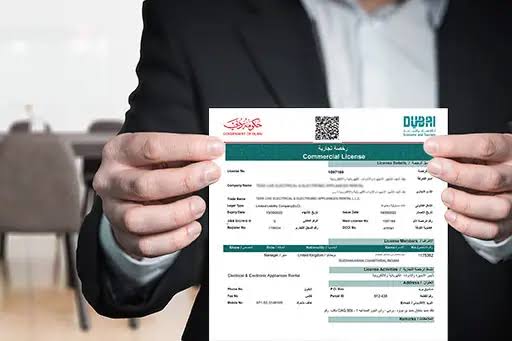
Quick answer: Capital requirements for UAE business licenses vary by business type and jurisdiction. Mainland companies may need no minimum capital or up to AED 300,000 depending on the activity, while free zone companies can start with as little as AED 1,000. Offshore companies generally have no mandatory capital requirements.
Starting a business in the UAE is more accessible than most people think. The country has spent years building one of the most business-friendly environments in the world, attracting entrepreneurs from every corner of the globe. But before you launch, one of the first questions you need to answer is: how much capital do you actually need?
The answer depends on the type of license you’re applying for, the jurisdiction you choose, and the nature of your business activity. This guide breaks it all down in plain language, so you can plan your budget and move forward with confidence.
What Does Business Setup in Dubai and the UAE Actually Cost?
When people talk about business setup in Dubai, they often focus on license fees and visa costs. Capital requirements are a separate consideration, and they vary significantly across license types and jurisdictions.
The UAE has three main business jurisdictions:
- Mainland (regulated by the Department of Economic Development, or DED)
- Free zones (over 40 across the UAE, each with its own rules)
- Offshore (primarily Ras Al Khaimah and Jebel Ali)
Each jurisdiction has its own capital requirements, and within each jurisdiction, requirements can differ based on your business activity. Understanding these differences early saves you from costly surprises later.
How Do Capital Requirements Differ by License Type?
Commercial Licenses
Commercial licenses cover trading activities, from buying and selling goods to import and export. On the mainland, the DED does not impose a universal minimum capital requirement for most commercial activities. However, specific activities, such as general trading, may require a minimum share capital of AED 300,000.
In free zones, commercial license capital requirements are much lower. Many free zones, including the Sharjah Media City (Shams) and Meydan Free Zone, allow company formation with a share capital of AED 1,000 or even AED 1.
Professional Licenses
Professional licenses are issued to individuals or firms offering services based on expertise, such as consulting, marketing, legal services, or IT support. On the mainland, professional license holders are typically not required to meet a minimum capital threshold. The license is granted based on qualifications and the nature of the activity.
This makes professional licenses one of the most affordable entry points into the UAE market.
Industrial Licenses
Industrial licenses cover manufacturing and production activities. These require a physical facility and tend to attract higher capital requirements. On the mainland, industrial companies may need to demonstrate sufficient capital to support their operations, which can range from AED 250,000 to AED 1,000,000 or more depending on the activity and scale.
Free zones dedicated to industrial activity, such as Dubai Industrial City, set their own capital thresholds, which vary by project size and sector.
E-commerce Licenses
E-commerce has become one of the fastest-growing license categories in the UAE. Most free zones offer dedicated e-commerce licenses with minimal capital requirements, often starting at AED 5,750 for the license itself, with share capital requirements as low as AED 1,000 in some jurisdictions.
On the mainland, e-commerce activities fall under commercial licensing rules, so requirements align with general commercial license guidelines.
Financial and Banking Licenses
Financial services businesses face the most significant capital requirements. Companies seeking licenses from the Securities and Commodities Authority (SCA), the Central Bank of the UAE, or the Dubai Financial Services Authority (DFSA) in the DIFC must meet strict minimum capital thresholds.
For example:
- Money exchange companies: minimum paid-up capital of AED 5,000,000 (Central Bank requirement)
- Insurance companies: minimum capital of AED 100,000,000 for life insurance
- DIFC-regulated firms: capital requirements vary based on the category of license and risk profile
These figures are significantly higher than other license types and reflect the regulatory oversight required in financial services.
Which Free Zones Offer the Most Affordable Capital Requirements?
For entrepreneurs seeking a low-cost business setup in Dubai and across the UAE, free zones are the most practical option. Several free zones are known for their minimal capital requirements:
- Meydan Free Zone: Share capital from AED 1
- Shams (Sharjah): Share capital from AED 1
- Dubai Multi Commodities Centre (DMCC): Minimum share capital of AED 50,000 for most activities
- Dubai Silicon Oasis (DSO): Share capital from AED 1,000 for FZ-LLC companies
- Fujairah Creative City: Competitive low-capital options for creative and media businesses
It is worth noting that “share capital” and “paid-up capital” are different things. Share capital is what you declare on paper; paid-up capital is the amount actually deposited into the company’s bank account. Many free zones allow you to declare share capital without immediately depositing the full amount.
Helpful Tips for Managing Capital Requirements
1. Match your license to your activity. Choosing the wrong license type can mean unnecessary capital burdens. A marketing consultant, for example, should apply for a professional license, not a commercial one.
2. Compare jurisdictions before committing. The same business activity can have very different capital requirements depending on whether you set up on the mainland or in a free zone. Get quotes from at least two or three jurisdictions.
3. Factor in working capital, not just minimum requirements. Even if a free zone requires only AED 1,000 in share capital, you still need sufficient funds to cover rent, visas, and operating costs for the first 6 to 12 months.
4. Check for annual renewal requirements. Some jurisdictions review your capital position at renewal. Make sure your declared capital reflects realistic business operations.
5. Work with a registered business setup consultant. Licensing regulations in the UAE change frequently. A local consultant can ensure your capital structure meets current requirements and keeps you compliant.
Frequently Asked Questions
What is the minimum capital required to start a business in Dubai?
There is no single minimum capital figure that applies to all businesses in Dubai. Free zone companies can start with as little as AED 1 in declared share capital, while mainland businesses vary by activity. Financial services companies face the highest requirements, often in the millions of dirhams.
Do I need to deposit share capital into a bank account before getting a UAE business license?
In most free zones, you are not required to physically deposit share capital before receiving your license. However, some activities and jurisdictions do require proof of paid-up capital. Always confirm this with your chosen free zone or mainland authority.
Is a mainland or free zone license better for a low-budget startup?
Free zone licenses generally offer lower capital requirements and more flexible package pricing, making them the preferred choice for budget-conscious entrepreneurs. However, if you need to trade directly with the UAE local market, a mainland license may be more suitable despite potentially higher costs.
Can a sole proprietor or freelancer avoid capital requirements entirely?
Yes, in many cases. Freelance permits and sole proprietorship structures in several free zones carry no minimum capital requirement, making them one of the most affordable ways to establish a legal business presence in the UAE.
How often do UAE capital requirements change?
Capital requirements are subject to change based on government policy and regulatory updates. The Central Bank of the UAE, DED, and individual free zone authorities all update their requirements periodically. Checking official sources or consulting a licensed business advisor before applying is always recommended.
Final Words
UAE business license capital requirements are not one-size-fits-all. They depend on your business activity, your chosen jurisdiction, and the scale at which you plan to operate. For most small businesses and startups, free zones offer the most accessible entry point, with minimal capital thresholds and streamlined setup processes.
The key is to research thoroughly, match your structure to your goals, and make sure you have enough working capital to sustain your operations, not just enough to satisfy the minimum requirements on paper. With the right planning, setting up a business in the UAE can be both straightforward and cost-effective.