The water coming out of your tap at home looks clean. But appearance tells you almost nothing about what’s actually dissolved in it. From excess salts and chlorine byproducts to heavy metals and bacterial contamination, the invisible threats in Pakistani household water are well-documented and genuinely dangerous. This is exactly why installing a water filtration plant for home use has become one of the most important health decisions a Pakistani family can make today.
The market is flooded with options — from cheap pitcher filters to industrial-grade systems — and the sheer volume of choices creates real confusion. Many families end up with systems that look impressive but fail to address the specific contaminants present in their local water source. Others spend far more than necessary because they received no professional guidance before purchasing.
The Next Rex, a technology-driven services company operating across Pakistan, has built a water treatment service model that cuts through this confusion with professional water testing, honest recommendations, and long-term service support. Their approach is structured around what your specific water needs rather than what’s easiest to sell.
What Sets a Water Filtration Plant for Home Apart from Basic Filters
There is a meaningful and important difference between a water filtration plant for home use and a basic household filter. Understanding this difference is the first step toward making a genuinely informed decision about your family’s water safety.
A basic filter — whether a tap attachment, a ceramic candle filter, or a simple pitcher system — typically targets one category of contamination. Most address sediment and some address chlorine taste. However, they cannot remove dissolved salts, heavy metals, nitrates, fluoride, or microscopic biological contaminants that pass straight through conventional filter media at the ionic level.
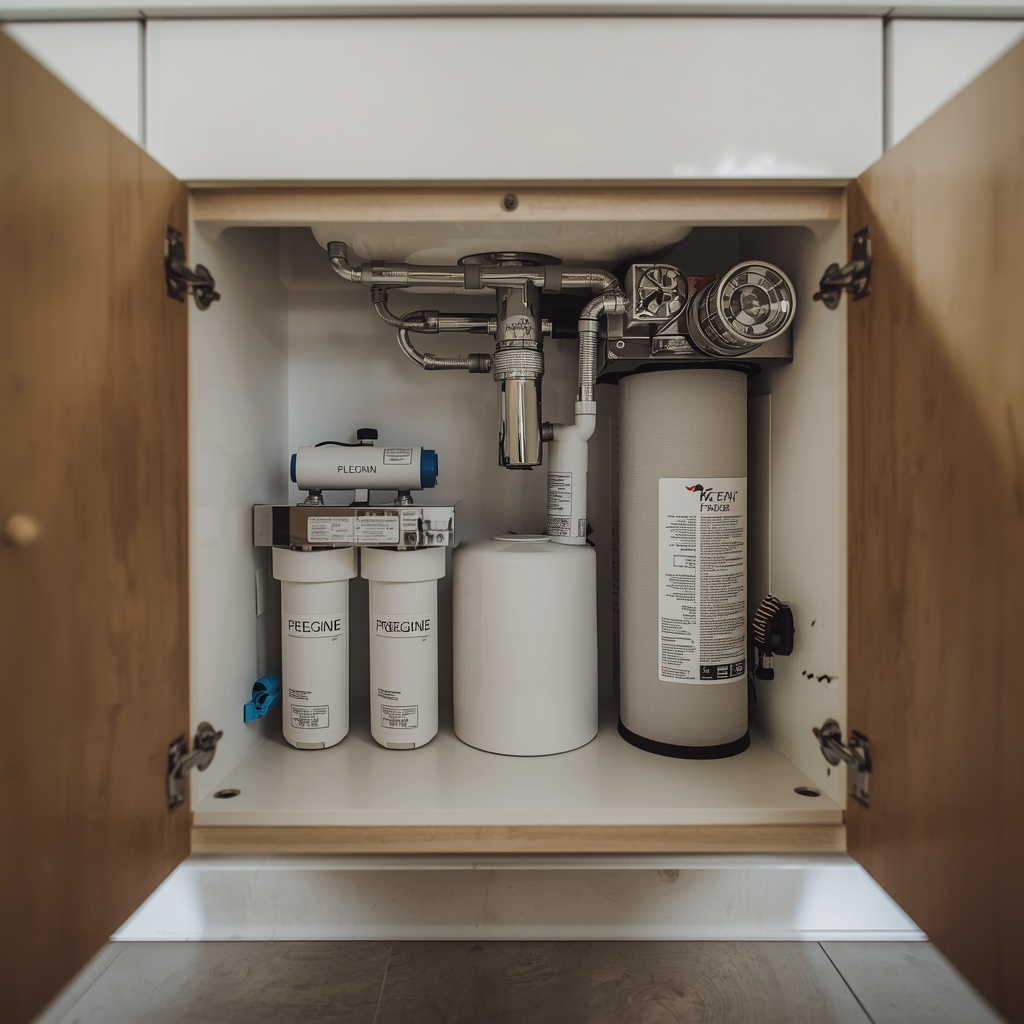
A proper water filtration plant for home use, on the other hand, is a multi-stage system engineered to address the full spectrum of water quality problems simultaneously. It combines mechanical pre-filtration, activated carbon treatment, reverse osmosis membrane purification, and post-filtration polishing in a sequential process that delivers verified, measurable output quality.
Furthermore, a home water filtration plant gives you the ability to test and verify your water quality at any time using a simple TDS meter. This measurability is something basic filters simply cannot offer. You either trust the filter or you don’t — whereas a proper system gives you objective confirmation that it’s working.
Understanding the Real Water Quality Challenges in Pakistani Homes
Before selecting any purification system, it’s essential to understand what Pakistani household water actually contains. The contaminant profile varies by region, but several issues are consistently documented across the country and directly affect the right system choice for your home.
In most Pakistani cities, municipal water is treated with chlorine before distribution. However, by the time that water travels through aging underground pipe networks and reaches your home, it often picks up rust particles, sediment, and bacterial regrowth. The chlorine itself also reacts with organic matter in pipes to form trihalomethanes, which are chemical byproducts with long-term health implications.
In areas that rely on groundwater or tube-well water, the challenges are different but equally serious. High TDS levels, iron content, hardness minerals like calcium and magnesium, and in some regions arsenic and nitrate contamination are common. These dissolved substances give water a bitter or metallic taste and cause long-term health effects with continuous consumption.
A water filtration plant for home installation that’s properly matched to your specific water source addresses these regional variations effectively. This is why professional water testing before system selection is always the correct first step rather than choosing a system based on price alone.
Key Components That Make a Home Water Filtration System Effective
Not all home water filtration systems are assembled equally. The quality of individual components determines both the purification effectiveness and the long-term reliability of the system. Understanding what to look for protects you from investing in a system that looks complete but underperforms in practice.
The sediment pre-filter is the first line of defense. It captures physical particles including sand, rust, and suspended solids that would otherwise damage downstream components. A quality sediment filter uses wound polypropylene or pleated media and should be rated at five microns or finer for effective pre-treatment.
The activated carbon stage removes chlorine, chloramines, and volatile organic compounds that cause taste and odor problems. Carbon block filters are significantly more effective than granular activated carbon options and are worth the modest price difference.
The RO membrane is the heart of any water filtration plant for home use. A quality membrane from a reputable manufacturer achieves dissolved solid rejection rates above 96%. This is where heavy metals, nitrates, fluoride, pharmaceutical residues, and most biological contaminants are removed from the water stream.
A post-carbon polishing filter refines the taste of purified water before it reaches your glass. Some premium systems also include remineralization filters that add back beneficial minerals like calcium and magnesium after the RO stage, improving both taste and nutritional profile of the output water.
How an RO Water Plant Delivers Long-Term Value for Pakistani Households
When people evaluate an RO Water Plant for their home, the conversation almost always starts with upfront cost. But the more meaningful comparison is total cost over three to five years when measured against the alternatives most Pakistani families currently rely on.
The most common alternative is bottled water. For a family of six consuming a conservative average of twelve liters per day, the monthly cost of bottled water typically falls between PKR 3,000 and PKR 6,000 depending on brand and local pricing. Over three years, that represents between PKR 1,08,000 and PKR 2,16,000 — with no guarantee of consistent quality or source transparency.
A properly installed home RO Water Plant typically costs between PKR 25,000 and PKR 65,000 upfront, with annual maintenance costs of approximately PKR 5,000 to PKR 12,000 for filter replacements and servicing. Over the same three-year period, the total investment is dramatically lower than bottled water while delivering measurably superior and verifiable purity.
Beyond economics, there’s the convenience factor. Having clean, purified water available directly from your kitchen at any time — without managing empty bottles, storage space, or supplier deliveries — represents a quality-of-life improvement that compounds quietly but consistently every single day.
Sizing the Right Water Filtration Plant for Home Use in Pakistan
One of the most common mistakes buyers make is selecting a system without properly calculating their household’s actual daily water consumption. An undersized system results in slow recovery, empty storage tanks, and frustrated family members. An oversized system wastes money on capacity that never gets used.
A practical starting point is to calculate how many liters of drinking and cooking water your household consumes daily. For most Pakistani families, this ranges from ten to twenty-five liters per day depending on household size and habits. A standard 75 to 100 GPD domestic RO system typically supports a family of five to eight people comfortably under normal consumption patterns.
If your household also uses purified water for humidifiers, aquariums, steam irons, or other applications, factor that additional consumption into your capacity calculation. A professional supplier will walk you through this calculation and recommend the right system size based on real data rather than guesswork.
Exploring RO Water Plant price in Pakistan across different capacity options also reveals that the cost difference between a 75 GPD and a 100 GPD system is often surprisingly small. Choosing slightly higher capacity than your immediate needs ensures the system never runs short as your household’s consumption patterns evolve.
Maintenance Realities Every Home Water Filtration Plant Owner Should Know
Owning a water filtration plant for home use is a long-term commitment that requires consistent attention to maintain peak performance. Many buyers are under-informed about maintenance requirements at the point of purchase, which leads to neglected systems that gradually deliver declining water quality without any visible warning signs.
The most important maintenance habit is tracking filter replacement schedules. Sediment and carbon pre-filters should be replaced every three to six months depending on source water turbidity and chlorine levels. Skipping this replacement is the single most common cause of premature RO membrane failure, because the membrane ends up handling contaminant loads the pre-filters were supposed to intercept.
The RO membrane itself requires replacement every one to two years in typical household use. Signs that the membrane needs replacement include a noticeable increase in output TDS readings, significantly reduced production rate, or changes in water taste. A quality drinking water RO plant service provider will include membrane testing as part of annual inspection visits.
Additionally, the pressurized storage tank requires periodic sanitization to prevent biofilm formation on the interior walls. This is an often-overlooked maintenance task that can compromise the microbiological safety of otherwise well-purified water. Professional annual servicing should always include tank inspection and disinfection as standard items.
Why The Next Rex Stands Out in Home Water Filtration Services
The Next Rex brings a rare combination of technical expertise and client-first philosophy to the water treatment services sector in Pakistan. Their engagement process begins with your water, not with their product catalog. Every home water filtration recommendation they make is based on a professional analysis of your actual source water conditions and household requirements.
Their technology infrastructure — backed by enterprise-level cloud platforms including AWS and GCP — means their project management, client communication, and service scheduling operate with the same precision that defines their broader technology service portfolio. Clients benefit from organized service records, proactive maintenance reminders, and reliable technician scheduling without the typical frustrations of unstructured service providers.
The company’s subscription-based service model is particularly valuable for homeowners who want complete peace of mind without managing maintenance details themselves. Their service packages for RO filtration plant systems cover filter replacements, performance checks, and emergency technical support within a single predictable monthly or annual cost structure.
The Next Rex also publishes extensively on technology, health, and infrastructure topics, including detailed educational content on water quality issues relevant to Pakistani households. This investment in public education reflects a brand that understands long-term client relationships are built on trust and knowledge sharing, not just transactional service delivery.
FAQs About Water Filtration Plant for Home in Pakistan
What is the ideal location to install a water filtration plant for home use in Pakistan?
The most practical installation location is under the kitchen sink, where the system connects directly to the cold water supply line and dispenses purified water through a dedicated faucet.
2. How do I know if my current home water filter is actually removing contaminants effectively?
Using an affordable TDS meter to compare inlet and outlet water readings gives you an immediate, objective measure of how effectively your RO Plant water filter is performing.
3. Can a water filtration plant for home use handle water with very high iron content in Pakistan?
High iron levels require a dedicated iron pre-filter stage before the RO membrane, which a professional supplier can incorporate into your system design based on your water test results.
4. How much space does a domestic water filtration plant for home installation typically require?
A standard under-sink domestic system requires approximately two cubic feet of cabinet space for the filter housings, with an additional small pressurized storage tank that can be positioned horizontally or vertically.
5. Is water filter output from a home RO system safe for infants and young children?
Yes, properly maintained RO-purified water meets and exceeds the purity standards recommended for infant formula preparation and children’s daily drinking needs.