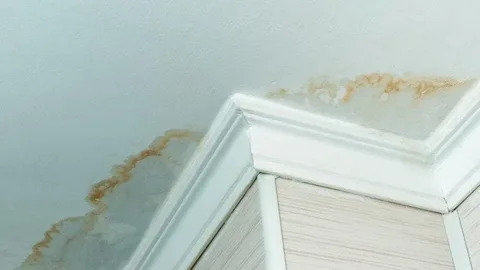
A ceiling stain can be a small mark at first, but it may point to a bigger problem above your head. Many homeowners notice yellow spots, brown rings, or dark patches on their ceilings and wonder where they came from. These stains are often caused by water, leaks, moisture buildup, or other hidden issues inside the home.
In many homes, ceiling stains appear after a slow leak from a roof, pipe, bathroom, or air system. Fixing the mark alone does not solve the real issue. You need to find the source of the moisture first. Professional ceiling repair water damage services can help identify the cause, remove damaged materials, and restore your ceiling safely.
A stained ceiling should not be ignored. Even a small water mark can grow over time and lead to mold, weak drywall, bad odors, and costly repairs. Understanding what causes ceiling stains can help you take action before the damage becomes worse.
Common Causes of Ceiling Stains
Ceiling stains can happen for many reasons. Some problems are easy to see, while others stay hidden for weeks or months. Finding the exact cause is the first step toward a proper fix.
After identifying the source, a professional water damage service can help remove moisture, repair affected areas, and prevent future damage.
1. Roof Leaks
A leaking roof is one of the most common causes of ceiling stains. When rainwater enters through damaged shingles, cracks, or weak areas, it can travel through the roof structure and reach your ceiling.
Roof leaks often create:
- Brown or yellow water marks
- Wet spots after rainfall
- Peeling paint
- Soft ceiling areas
- Musty smells
Sometimes the leak is not directly above the stain. Water can move along beams, insulation, and other materials before reaching your ceiling. This makes roof leak detection important.
2. Plumbing Problems
Pipes hidden inside walls and ceilings can develop leaks. A small pipe problem may slowly release water and create a stain over time.
Common plumbing causes include:
- Broken water pipes
- Loose pipe connections
- Leaking bathroom pipes
- Damaged drain lines
- Overflow from sinks or tubs
A plumbing leak may create stains that appear suddenly. If the ceiling stain grows quickly or feels wet, it is important to check nearby plumbing systems.
3. Bathroom Moisture and Leaks
Bathrooms create a lot of moisture because of showers, sinks, and hot water. Poor ventilation can trap this moisture and cause ceiling problems.
Common bathroom-related causes include:
- Shower leaks
- Damaged grout lines
- Poor exhaust fans
- Water escaping from tubs
- Leaking bathroom fixtures
Over time, moisture can weaken ceiling materials and create dark spots.
4. Air Conditioner Leaks
Air conditioning systems can also cause ceiling stains. AC units create condensation, and this water normally drains away through a drain line.
Problems happen when:
- The drain line becomes blocked
- The drain pan cracks
- The system creates too much moisture
- The AC unit is not maintained
A leaking AC system can leave water marks on ceilings below the unit or ductwork.
5. Poor Ventilation
High moisture levels inside a home can lead to ceiling discoloration. Rooms with poor airflow may collect humidity, which can damage paint and ceiling surfaces.
Areas most affected include:
- Bathrooms
- Kitchens
- Laundry rooms
- Basements
Good airflow helps control moisture and reduces the chance of ceiling stains.
Different Types of Ceiling Stains and What They Mean
Not every ceiling stain looks the same. The color, shape, and location can provide clues about the problem.
Yellow or Brown Stains
Yellow and brown marks usually indicate water damage. They often appear after a leak from a roof, pipe, or appliance.
These stains may become darker over time as more moisture enters the ceiling.
Black Spots
Black spots may be caused by mold growth. Mold can develop when moisture stays in one area for too long.
If you notice black patches, it is important to find and remove the moisture source. Cleaning the surface without fixing the leak may cause the problem to return.
Small Water Rings
Circular marks often show where water has collected and dried. These rings may come from slow leaks that happen over a long period.
Even small rings should be checked because they may become larger later.
Peeling Paint or Bubbling Areas
When water gets behind paint, it can cause:
- Bubbling paint
- Cracked surfaces
- Loose ceiling material
These signs often mean moisture is trapped behind the surface.
How to Find the Source of a Ceiling Stain
Finding the stain is easy. Finding the cause can be harder. Water does not always move in a straight line, so the damaged area may not be directly below the leak.
Check the Area Above the Stain
Look at the space above the ceiling if possible. Check for:
- Wet insulation
- Pipe leaks
- Roof damage
- Standing water
- Mold growth
A flashlight can help you find hidden moisture.
Look for Timing Patterns
When does the stain appear?
- After rain may mean a roof problem.
- After using the shower may mean a bathroom leak.
- When the AC runs may mean an air system issue.
Tracking when the stain appears can help locate the source.
Use Moisture Detection Tools
Professionals often use moisture meters and inspection tools to locate hidden water. These tools help find wet areas without causing unnecessary damage.
How to Fix Ceiling Stains
Fixing a ceiling stain requires more than painting over the mark. The moisture problem must be solved first.
Step 1: Stop the Water Source
The first step is to stop the leak.
This may include:
- Repairing roof damage
- Fixing broken pipes
- Cleaning AC drain lines
- Improving ventilation
A new paint coat will not last if water continues entering the ceiling.
Step 2: Dry the Damaged Area
After stopping the leak, the ceiling must dry completely.
Drying may require:
- Fans
- Dehumidifiers
- Air circulation
- Professional drying equipment
Proper drying helps prevent mold and further damage.
Step 3: Remove Damaged Materials
Some ceiling materials may not be safe to keep. Wet drywall, insulation, or damaged sections may need replacement.
Removing damaged materials helps create a clean and stable surface.
Step 4: Repair the Ceiling Surface
Once the area is dry, repairs can begin.
Common repair steps include:
- Replacing damaged drywall
- Filling cracks
- Sanding rough areas
- Applying primer
- Repainting the ceiling
A stain-blocking primer is often used because normal paint may allow old water marks to show again.
Can You Paint Over a Ceiling Stain?
Painting over a ceiling stain may hide the mark temporarily, but it does not fix the cause.
If moisture is still present, the stain will likely return. Before painting, make sure:
- The leak is repaired
- The ceiling is fully dry
- Damaged materials are replaced
- A proper primer is applied
This creates a longer-lasting repair.
When Should You Call a Professional?
Some ceiling stains can be handled with simple repairs, but others need professional help.
You should contact an expert if:
The Ceiling Is Sagging
A sagging ceiling can mean water has weakened the structure. This can become a safety risk.
The Stain Keeps Returning
A repeated stain usually means the original moisture source has not been fixed.
You Notice Mold
Large mold growth may require professional cleaning and moisture control.
The Damage Covers a Large Area
Large stains may involve hidden damage inside the ceiling.
How to Prevent Future Ceiling Stains
Prevention can save time and money. Regular home care helps reduce the chance of ceiling damage.
Maintain Your Roof
Check your roof regularly for:
- Missing shingles
- Cracks
- Damaged flashing
- Water entry points
Small roof problems are easier to fix before they create indoor damage.
Check Plumbing Systems
Inspect pipes and fixtures for signs of leaks. Fix small issues before they become major problems.
Improve Airflow
Use fans and ventilation systems to reduce humidity. This is especially important in bathrooms and kitchens.
Maintain Your AC System
Regular AC maintenance helps prevent drainage problems and moisture buildup.
Why Quick Action Matters
A ceiling stain is a warning sign. It shows that moisture has entered an area where it should not be.
Ignoring the problem can lead to:
- Mold growth
- Damaged drywall
- Higher repair costs
- Poor indoor air quality
- Structural issues
Quick action helps protect your home and keeps repairs smaller.
Final Thoughts
Ceiling stains are more than just an appearance problem. They often show that water or moisture is affecting your home. Finding the cause early is the best way to prevent bigger damage.
Whether the issue comes from a roof leak, plumbing problem, AC system, or humidity, the right repair steps can restore your ceiling and protect your property. Regular inspections, proper maintenance, and quick repairs can help keep your home safe and comfortable.
Frequently Asked Questions (FAQs)
1. Why does my ceiling have brown stains?
Brown ceiling stains are usually caused by water damage. They may come from roof leaks, plumbing issues, or moisture problems above the ceiling.
2. Can I remove a ceiling stain by painting over it?
Painting can hide a stain for a short time, but it will not fix the cause. The leak or moisture source must be repaired first.
3. Are ceiling stains dangerous?
Some ceiling stains may become serious if they are caused by ongoing leaks. Long-term moisture can lead to mold and damaged ceiling materials.
4. How long does it take to repair a water-damaged ceiling?
The repair time depends on the size of the damage and drying needs. Small repairs may take a few days, while larger damage may take longer.
5. How can I prevent ceiling stains in the future?
Regular roof checks, plumbing inspections, AC maintenance, and proper ventilation can help prevent future ceiling stains.