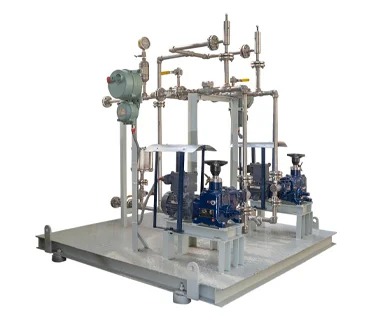
Operating in the oil and gas sector means working with high pressures, corrosive fluids, and conditions that leave little room for error. Equipment failure isn’t just inconvenient in this industry; it can halt production, create safety risks, and lead to costly downtime that ripples across an entire operation. That’s why the equipment behind the scenes, the pumps, separators, piping components, and dosing systems, matters just as much as the processes they support. This article looks at what genuinely reliable industrial equipment looks like and why getting these choices right from the start makes such a difference.
Why Equipment Quality Can’t Be an Afterthought
In process industries, individual components rarely work in isolation. A weak link anywhere in the system, whether it’s a poorly manufactured fitting or a separator that can’t handle variable flow rates, tends to create problems that cascade outward. What starts as a minor inefficiency in one part of a facility can eventually affect output, safety compliance, and maintenance costs across the board.
This is part of why experienced operators place so much emphasis on sourcing from manufacturers who understand the specific demands of oil and gas environments, rather than treating industrial equipment as a generic, interchangeable commodity.
What to Look for in a Dependable Partner
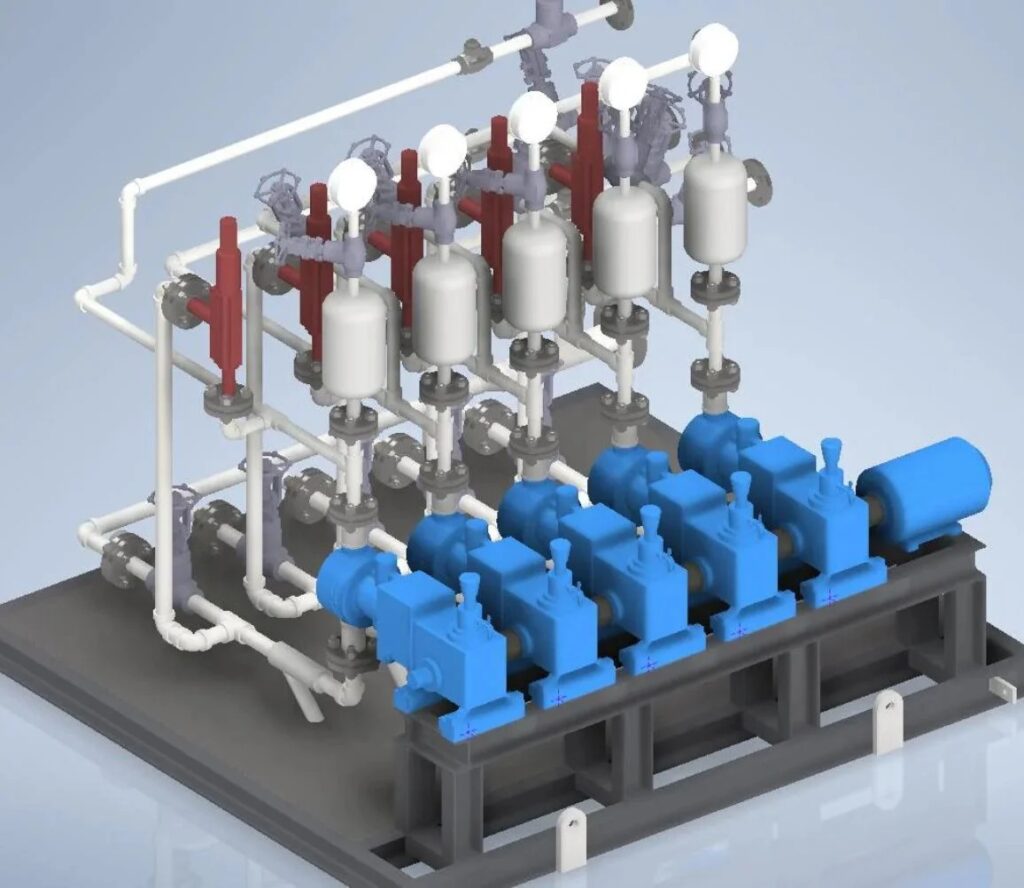
Choosing the right oil field equipment supplier involves more than comparing price lists. A few factors tend to separate genuinely reliable partners from the rest:
- Proven experience designing for harsh, high-pressure environments
- Certifications that confirm consistent manufacturing quality
- Ability to customise equipment for specific site conditions
- Track record with recognisable names in the industry
- Responsive support for installation and ongoing service
Operators who take the time to vet suppliers against these criteria tend to avoid the costly trial-and-error that comes from working with less experienced manufacturers.
The Role of Separation Equipment in Daily Operations
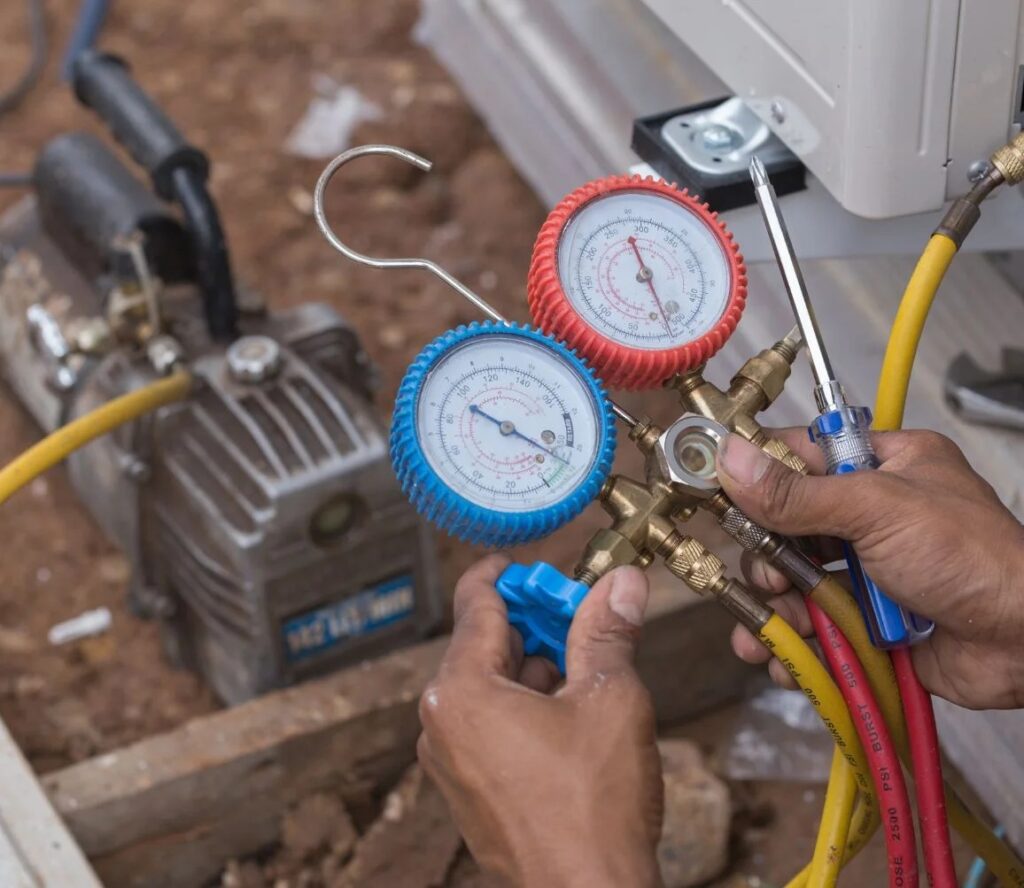
Among the many components used across oil and gas facilities, separation equipment plays a particularly central role. Raw production streams typically arrive as a mixture of oil, gas, and water, and separating these effectively is one of the first and most important steps in processing.
A well-engineered oil and gas separator handles this task by using pressure differentials and gravity to divide the mixture into its component parts efficiently. Poorly designed or undersized separators, by contrast, can lead to incomplete separation, carryover issues, and downstream problems that affect everything from product quality to equipment longevity elsewhere in the system.
Certifications and Standards Worth Knowing
For operators evaluating potential suppliers, certain quality benchmarks are worth understanding:
| Standard | What It Indicates |
| ISO 9001:2015 | Consistent quality management across manufacturing processes |
| API standards | Compliance with petroleum industry-specific requirements |
| Material traceability | Verified sourcing and quality of raw materials used |
| Pressure testing certification | Equipment verified to handle stated pressure ratings |
These benchmarks don’t guarantee perfection, but they offer a useful starting point for narrowing down genuinely capable manufacturers from those simply claiming to be.
Custom Engineering Versus Off-the-Shelf Solutions
Not every facility operates under the same conditions, which is why standardised, one-size-fits-all equipment doesn’t always serve operators well. Site-specific factors like flow rates, fluid composition, ambient temperature, and spatial constraints often call for tailored engineering rather than a generic product pulled from a catalogue.
Manufacturers capable of customising designs around these specifics tend to deliver equipment that performs more reliably over the long term, since the components are built around actual operating conditions rather than broad assumptions.
Why Long-Term Support Matters Just as Much
Equipment reliability doesn’t end at installation. Ongoing support, including spare parts availability, technical guidance, and responsiveness when issues arise, plays a major role in how well equipment performs over its working life. Facilities that partner with suppliers offering strong after-sales support tend to experience fewer prolonged disruptions when something does eventually need attention.
This is particularly relevant in remote or offshore operations, where delays in sourcing replacement parts or technical guidance can translate directly into extended downtime and lost productivity.
Bringing It All Together
Reliable operations in the oil and gas sector start with equipment built to handle real-world demands, not just theoretical specifications. From separation systems to the broader range of components running quietly in the background, quality, customisation, and ongoing support all contribute to smoother, safer operations over time. For operators evaluating their options, NND Oil & Gas brings the kind of manufacturing expertise and industry experience that makes finding dependable, well-engineered equipment considerably more straightforward.