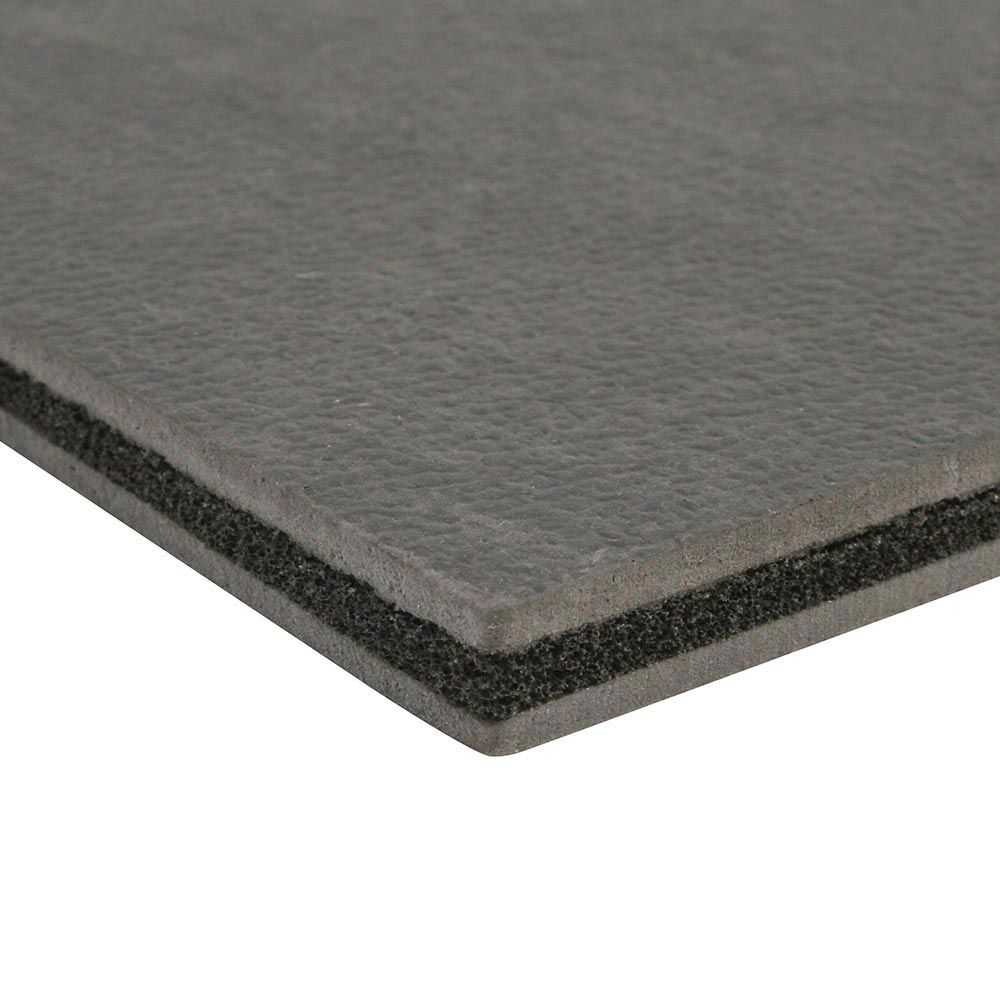
When investing in acoustic products, choosing a trusted brand can make a significant difference in performance and durability. Reputable manufacturers often provide tested solutions backed by industry certifications and proven results. Quality materials, reliable customer support, and long-term effectiveness contribute to better value over time. Understanding what separates leading acoustic brands from lower-quality alternatives helps buyers make informed decisions and achieve lasting improvements in noise control and sound management.
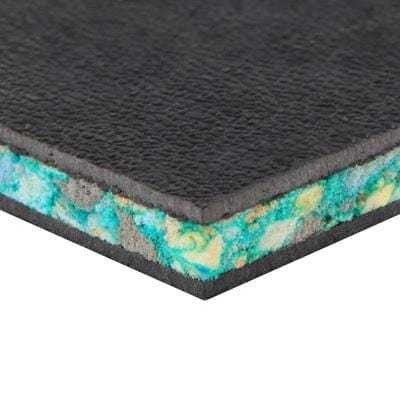
The Growing Market for Acoustic Building Products
Noise control has moved from a luxury consideration to a regulatory requirement across much of the construction sector. Part E of the Building Regulations in England sets clear performance thresholds for new residential builds and conversions, and acoustic testing is now a standard stage on many projects. This shift has driven significant investment in product development across the sector, giving specifiers more choice but also more responsibility to evaluate what they buy.
Walking into a builders’ merchant or browsing an online supplier today means encountering dozens of product lines all claiming to reduce noise. The difference between a budget option and a proven performer is not always visible to the naked eye, which makes understanding product heritage and independent testing results genuinely important.
How to Evaluate Acoustic Product Quality
Third-party test data is the most reliable benchmark. Reputable manufacturers publish independently verified Rw (weighted sound reduction index) values alongside Rw + Ctr figures that account for low-frequency noise — the type most relevant in urban environments near traffic or music. Products tested only in laboratory conditions under ideal circumstances may not replicate real-world performance.
Long-term durability matters too. Some foam-based products compress over time, reducing their acoustic mass. Mineral wool and composite board products tend to maintain their properties across the full lifespan of the building, making them better value even when their upfront cost is higher.
Why Acoustic Brands Matter in Specification
When architects and contractors specify by brand rather than just product type, they are drawing on an accumulated body of evidence. Leading acoustic brands invest in ongoing product testing, system certification, and technical support that lesser-known manufacturers rarely provide. This becomes particularly important when a project requires a system approach where boards, battens, fixings, and sealant all need to work together to achieve a declared performance level.
For design-and-build projects, using products from a single acoustic system supplier also simplifies warranty and liability questions. If a noise test fails post-completion, a system-tested approach makes it far clearer where any problem lies and what remediation is needed.
The Underappreciated Role of Acoustic Battens
Among the various components in a wall or ceiling soundproofing system, acoustic battens are frequently the most overlooked. These resilient metal or composite strips are fixed to existing structures before boards are added, creating a mechanical decoupling between the existing surface and the new layer. This decoupling breaks the rigid path that vibration would otherwise follow directly through the structure.
The difference between a floating layer properly fixed on resilient battens and the same board screwed rigidly to the existing wall can be as much as 6–8 dB of additional sound isolation — a difference that is clearly audible in use. Skipping battens to save cost is one of the most common reasons acoustic upgrades underperform against expectations.
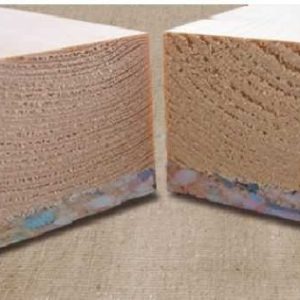
Matching Products to Project Type
Domestic bedroom party walls, recording studios, commercial offices, and hotel corridors all have different noise profiles and different regulatory targets. A system that exceeds requirements for a standard semi-detached house may be completely inappropriate for a music rehearsal space. Using guidance from tested acoustic systems rather than selecting products individually reduces the risk of specifying something that works on paper but underdelivers in practice.
Conclusion
Investing in proven, well-tested acoustic solutions pays dividends in post-completion performance, regulatory compliance, and occupant satisfaction. Insulation Point Limited carries a curated range from manufacturers with strong technical track records, giving customers confidence that what they buy will actually work as specified.