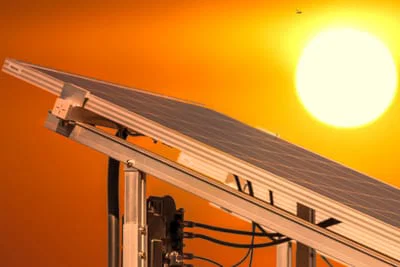
Texas has officially established itself as a premier powerhouse for renewable energy. Driven by expanding master-planned communities, high summer temperatures, and a collective push toward grid resilience, thousands of residents across Dallas, Fort Worth, Houston, and Austin are looking to the sky to control their monthly operational costs.
However, deciding to convert your home to solar power is only the first step. The actual process of transitioning from traditional public utilities to a fully functional rooftop generation system involves distinct structural, legal, and operational milestones. In Texas, where there is no singular statewide permitting body and every municipality enforces its own independent building codes, knowing what lies ahead is crucial.
This comprehensive guide pulls back the curtain on the entire local solar panel installation timeline, detailing exactly what Texas homeowners should expect from initial engineering site visits to the moment their system goes live.
Phase 1: Engineering Assessment & Code Compliance
A successful installation never begins with tools on your roof; it starts with an architectural and electrical blueprint. Texas weather presents extreme environmental dynamics—ranging from violent coastal hurricanes and North Texas hail storms to intense heat indexes. Consequently, your property must be rigorously evaluated.
Structural Verification
A licensed technician or engineer will physically inspect your roof health and attic framing. They calculate the dead load capacity of your rafters to ensure they can easily support the combined weight of the racking systems and photovoltaic (PV) modules, while validating that your home meets local wind uplift resistance requirements.
Electrical Infrastructure Audit
Your main electrical breaker panel will be audited. The technician checks if your existing bus bar can handle the incoming solar load under the National Electrical Code (NEC). If your home features an older 100-amp or 150-amp panel, a main panel upgrade (MPU) may be required before any panels are integrated.
Phase 2: Navigating the Texas Regulatory Pipeline
Texas is a unique territory for solar project management because regulatory policies vary significantly by city and utility provider. This phase is entirely administrative, but it dictates your overall project timeline.
1. Municipal Permitting (AHJ Review)
Because Texas has no centralized state permit framework, your installer must file comprehensive plan sets with your local Authority Having Jurisdiction (AHJ).
- The Slower Tracks: Cities like Dallas require a sequential departmental review process (Building, Electrical, and Fire departments must sign off one after the other), which can take 2 to 4 weeks.
- The Faster Tracks: Areas utilizing automated software like SolarAPP+, such as Austin or parts of Houston, can frequently issue residential building permits within 1 to 3 business days.
2. Utility Interconnection Applications
If your system is tied to the main grid, your installer must submit an interconnection request to your Transmission and Distribution Utility (TDU)—such as Oncor in DFW, CenterPoint in Houston, or AEP Texas. This application includes line electrical diagrams and equipment spec sheets ensuring your system won’t destabilize the local grid infrastructure.
3. HOA Protections (Texas Property Code Section 202.010)
Many Texas homeowners worry their Homeowners Association will block their installation. It is vital to know that Texas law explicitly protects your right to install solar panels. While an HOA can specify where panels are placed (such as keeping them off the front roof slope if an alternative location doesn’t reduce production by more than 10%), they cannot outright deny your project.
Phase 3: The Actual Installation Build Days
Once permissions, structural stamps, and permits are approved, the construction phase begins. For an average residential property, the physical build takes only 1 to 2 days to complete.
1.Staging and Safety Rigging: Day 1: Morning.
The crew arrives, unloads materials, and establishes roof safety anchor points. They mark out the rafter layout using chalk lines according to the engineering blueprint.
2.Flashing and Racking Installation: Day 1: Midday.
Installers secure heavy-duty mounting brackets directly into your roof rafters. Elite teams use specialized waterproofing flashing and advanced sealants to permanently protect against leaks. Aluminum racking rails are then leveled across the mounts.
3.Electrical Wiring and Inverter Mounting: Day 1: Afternoon.
While roofers mount racking, certified electricians run conduit along the eaves down to your main electrical panel. They install the central inverter (or route microinverter wiring harness links), the AC/DC disconnect switches, and any optional battery backup enclosures.
4.Panel Laydown and Securement: Day 2: Morning.
The solar modules are carried up, attached to the racking system, and connected electronically via secure plug-and-play connections. Mid-clamp and end-clamp hardware locks the panels down into their final, high-wind-resistant positions.
Phase 4: Inspections & Permission to Operate (PTO)
Finishing construction does not mean you can immediately flip the switch. Turning your system on before receiving final clearance can result in heavy utility penalties or equipment damage.
Following the build, a municipal inspector will visit your home to verify that the workmanship precisely matches the approved electrical diagrams and conforms to current local code mandates.
Once the city passes the project, your TDU will schedule a date to install a bidirectional net meter (or reprogram your existing smart meter). This specialized meter measures both the power you draw from the grid and the excess solar generation you send back. Once the utility issues formal Permission to Operate (PTO), your system can be fully energized.
Choosing a Licensed Partner to Manage the Details
Because the Texas marketplace is decentralized, small administrative mistakes can delay a project by months. Managing a local solar panel installation requires an expert who pairs certified electrical mastery with local relationship management.
Experienced regional contractors, such as Go Sun Aura (Licensed Texas Electrical Contractor, TECL# 39213), specialize in navigating these exact geographic variables across DFW, Austin, and Houston. From submitting flawless city permits to managing TDU applications and ensuring your software monitoring platform is fully synchronized on commissioning day, working with a dedicated local team turns an administrative headache into a seamless, stress-free transition.
If you are ready to gain true energy independence and shield your home from unpredictable grid pricing, take the right step. Reach out to a verified professional today for a comprehensive, code-compliant property assessment.