Selecting the right lifting equipment can have a lasting impact on efficiency, safety, and day-to-day operations. Businesses across construction, warehousing, manufacturing, and industrial environments often look for practical ways to extend the capability of existing machinery without adding unnecessary complexity.
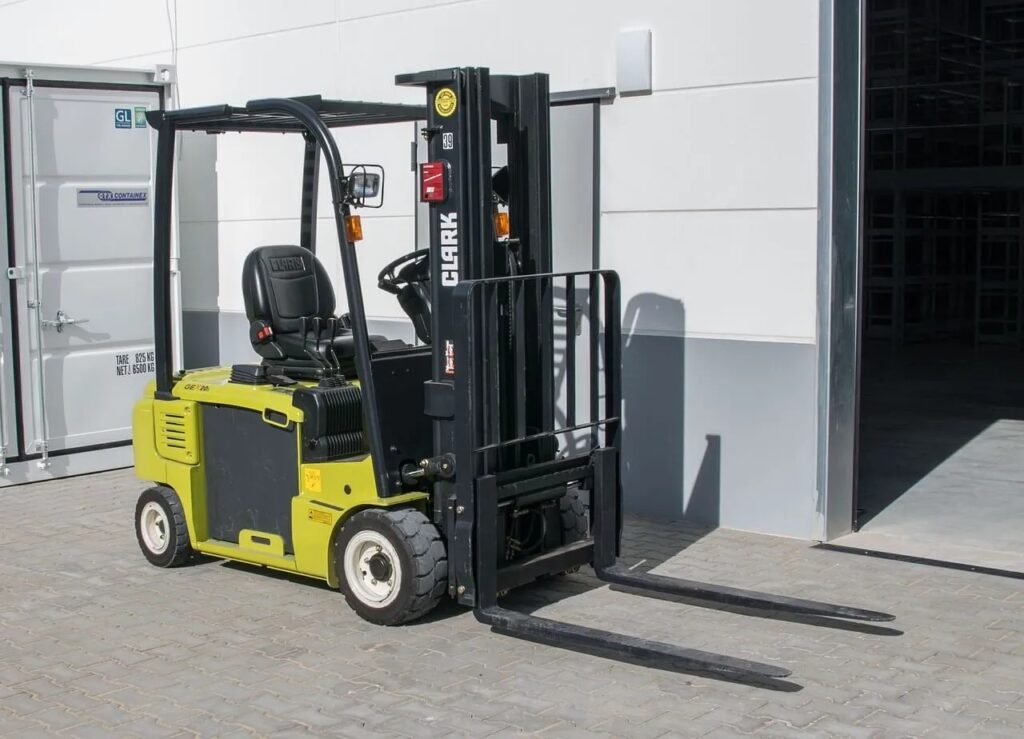
That is where choosing the right attachment becomes important. A forklift lifting jib can expand how a forklift is used by helping operators manage loads that require additional reach and positioning flexibility. Before making a decision, it helps to understand how quality, usability, long-term value, and operational needs all work together.
Start With the Application, Not the Equipment
One of the most common mistakes businesses make is selecting equipment based only on general specifications rather than actual usage requirements.
Before choosing any lifting attachment, think about the tasks it will support. Consider load types, working environments, lifting frequency, available space, and the level of flexibility required during operation.
Some workplaces need occasional lifting support while others depend on regular material handling throughout the day. Understanding this difference makes selection easier and helps avoid unnecessary costs.
A clear understanding of your workflow creates better outcomes and ensures the equipment fits naturally into existing operations.
Quality Supports Performance and Confidence
Quality should always be part of the decision-making process.
Industrial lifting equipment is expected to perform consistently under demanding conditions, so construction quality matters. Material selection, engineering standards, structural integrity, and overall durability all contribute to performance over time.
Choosing equipment built for repeated use often leads to fewer interruptions, more predictable operation, and reduced maintenance concerns.
Customers increasingly value reliability because downtime affects productivity and planning. Investing in quality early often creates stronger long-term results.
Also Read : A Practical Guide to Choosing a Forklift Lifting Jib
Ease of Use Improves Everyday Operations
Even highly capable equipment should remain practical to use.
Attachments that are straightforward to connect, operate, and integrate into existing processes can help reduce unnecessary complexity for operators and supervisors.
Ease of use supports productivity because teams spend less time adapting to equipment and more time completing tasks efficiently.
Operational comfort also matters. Equipment that works predictably and allows better load positioning contributes to a smoother working experience and can support safer handling practices throughout the day.
When equipment feels intuitive rather than difficult to manage, adoption becomes easier across teams.
Customer Experience Is Becoming Part of Equipment Decisions
Modern customers expect more than a product that meets technical requirements.
Businesses now place greater importance on guidance, support, responsiveness, and confidence throughout the purchasing process. Customers want to understand what they are buying and why it suits their application.
This shift has changed expectations across industrial purchasing.
In the middle of evaluating options, businesses often discover that selecting the right forklift lifting jib is not simply about lifting capacity. It is also about choosing solutions that support long-term operations and provide a smoother ownership experience.
Clear information and practical advice often become just as valuable as the equipment itself.
Versatility Creates More Value Over Time
One reason businesses consider lifting attachments is versatility.
Rather than introducing additional specialised machinery, many organisations look for ways to extend the usefulness of existing equipment.
Flexible lifting solutions can support changing project requirements, seasonal workload changes, and evolving operational priorities.
Versatility becomes especially valuable when businesses need to adapt quickly without making major infrastructure changes.
Equipment that serves multiple purposes often delivers stronger long-term value and allows organisations to respond more efficiently to future needs.
Thoughtful Purchasing and Sustainability
Sustainability in industrial environments is often connected to thoughtful decision-making rather than major operational changes.
Choosing durable equipment that remains useful over time can reduce replacement frequency and support more efficient resource use.
Customers are increasingly considering total lifecycle value instead of focusing only on upfront cost.
This approach encourages smarter purchasing decisions that balance performance, durability, and long-term outcomes.
Selecting equipment carefully today may reduce operational waste and improve value across future projects.
Looking Beyond Price Alone
Price matters, but it should not become the only factor.
Evaluating expected lifespan, maintenance requirements, compatibility, operator experience, and future flexibility often creates a more complete picture.
A lower initial cost does not always translate into stronger long-term value.
The right equipment supports productivity while helping businesses avoid avoidable replacement or operational adjustments later.
Looking beyond short-term savings often leads to more sustainable and practical outcomes.
Conclusion
Choosing lifting equipment involves more than comparing specifications. Understanding operational goals, focusing on quality, considering ease of use, and thinking about long-term value can lead to stronger decisions and better results.
As customer expectations continue to evolve, selecting the right forklift lifting jib becomes an opportunity to improve efficiency while supporting future growth. At HES Cranes, we believe informed decisions and dependable equipment help create safer, more capable, and more productive workplaces.