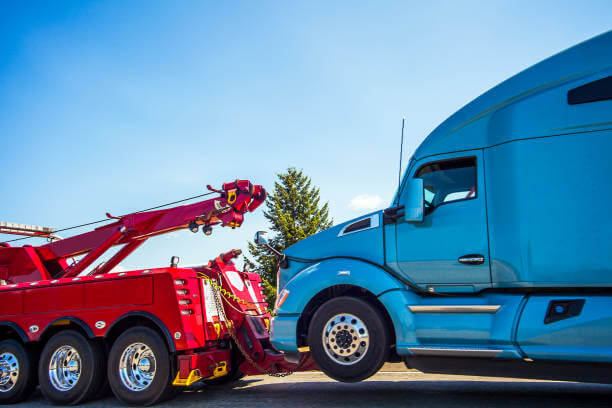
An old vehicle can take up space, gather dust, and become more difficult to manage as time goes by. Whether it no longer starts, has been damaged in an accident, or has simply reached the end of its life, leaving it parked for months or even years is rarely a good idea. Understanding how Unwanted Car Removal Pinelands works can help you make a sensible decision when the time comes to move your vehicle.
If your old vehicle is sitting unused, it may be worth looking at your options sooner rather than later. Reading about the process can help you prepare before making any decision. You can also learn more by visiting https://pscarremoval.com.au/
Removing an unwanted vehicle is often much simpler when you know what to expect. This guide explains each step in clear language, helping vehicle owners understand the process from start to finish.
What Is Unwanted Car Removal?
Unwanted Car Removal Pinelands refers to collecting vehicles that owners no longer wish to keep. These vehicles may be old, damaged, not running, written off, or simply no longer needed.
Instead of leaving the vehicle unused, many owners decide to have it removed so the space can be used for something else.
Secondary Keyword: Old Car Removal Pinelands
Another phrase often used is Old Car Removal Pinelands. It usually refers to removing vehicles that have reached the end of their useful life due to age, wear, or ongoing mechanical issues.
Both terms describe a similar process, although each may be used in slightly different situations.
Why People Remove Unwanted Cars
There are many reasons why people decide it is time to part with an old vehicle.
The Vehicle No Longer Runs
Some cars develop engine or transmission problems that make driving impossible. Repair costs may be higher than the vehicle itself.
Repairs Keep Adding Up
Older vehicles often need repeated repairs. Parts may become difficult to find, making maintenance more difficult over time.
The Car Has Been Damaged
A vehicle damaged in an accident, storm, or flood may not be worth repairing. Many owners decide that removal is the simpler option.
It Is Taking Up Space
Unused cars can occupy driveways, garages, sheds, or yards for years. Removing them creates room for other uses.
Signs It May Be Time to Remove Your Vehicle
Some signs are easy to recognise.
Frequent Mechanical Problems
If the vehicle spends more time being repaired than driven, keeping it may no longer make sense.
Registration Has Expired
Some owners stop renewing registration when they no longer use the vehicle.
Rust Is Spreading
Heavy rust can weaken important parts of the vehicle, making repairs more difficult.
The Car Has Been Sitting for a Long Time
Vehicles left unused for months or years often develop battery problems, tyre damage, and other issues caused by inactivity.
How the Removal Process Usually Works
The process is generally simple.
Step 1 – Contact the Removal Service
The owner provides basic details about the vehicle, including:
- Make
- Model
- Year
- Condition
- Location
Step 2 – Discuss Collection
A suitable collection time is arranged.
Step 3 – Prepare the Vehicle
Before collection, owners usually remove:
- Personal belongings
- Registration papers if required
- Important documents
- Electronic devices
- Garage remotes
Step 4 – Vehicle Collection
The vehicle is collected from the agreed location.
Documents You May Need
The exact requirements can vary, but owners are commonly asked for:
- Photo identification
- Proof of ownership
- Vehicle registration details if available
Having these ready can make the process easier.
Preparing Your Car Before Collection
A little preparation helps avoid delays.
Remove Personal Items
Check:
- Glove box
- Centre console
- Boot
- Under seats
- Door pockets
Many people forget sunglasses, chargers, paperwork, or small tools.
Remove Number Plates if Required
Local rules may determine whether number plates should remain on the vehicle or be returned.
Gather Spare Keys
If spare keys are available, keep them together before collection.
Environmental Importance of Vehicle Recycling
Old vehicles contain many reusable materials.
These include:
- Steel
- Aluminium
- Copper
- Plastic
- Glass
Many usable parts may also be separated before remaining materials are processed.
Recycling helps reduce unnecessary waste while allowing useful materials to be used again.
Vehicles Commonly Removed
Many different vehicles may qualify.
These include:
- Cars
- Sedans
- Hatchbacks
- SUVs
- Utilities
- Vans
- Four-wheel drives
Vehicle condition often varies greatly.
Some are still running while others have major damage or missing parts.
Common Questions People Ask
Can a damaged vehicle still be removed?
Yes. Many damaged vehicles are collected even if they cannot be driven.
Does the vehicle need to be registered?
Not always. Requirements may vary depending on the situation.
What if the car has not been driven for years?
Vehicles left unused for long periods are commonly removed once ownership details are confirmed.
Choosing the Right Time
Waiting too long can create additional issues.
Old vehicles may develop:
- Flat tyres
- Fluid leaks
- Rust
- Battery failure
- Weather damage
Removing the vehicle before these problems become worse can make planning easier.
Understanding Local Conditions in Pinelands
Pinelands continues to grow, and many households have limited parking or storage space. Keeping an unused vehicle on the property for years may reduce available room for daily activities.
Whether the vehicle is parked in a driveway, garage, or backyard, removing it can help clear the area for more practical use.
Tips Before Making Your Decision
Before arranging removal, consider the following:
- Check ownership documents.
- Remove all personal belongings.
- Record any information you may need later.
- Take photographs if you wish to keep a record.
- Confirm any local requirements that may apply.
These simple steps can help the process go more smoothly.
Conclusion
Keeping an unused vehicle for too long can create unnecessary clutter and ongoing maintenance concerns. Learning about Unwanted Car Removal Pinelands gives vehicle owners a clearer understanding of what to expect before arranging collection. Whether the vehicle is old, damaged, or no longer running, knowing the process, preparing the necessary documents, and removing personal belongings can make everything easier. Taking a little time to prepare helps ensure the vehicle is ready when collection takes place.