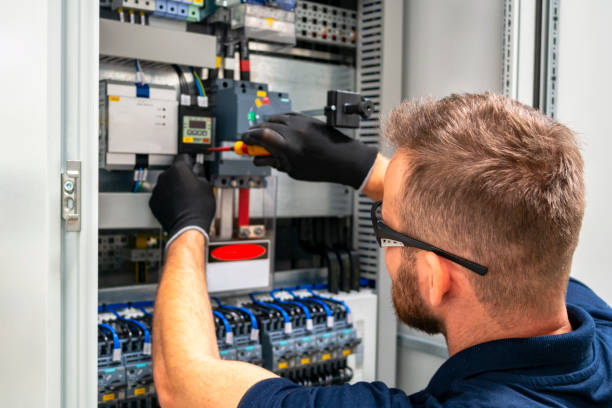
A home’s electrical system is one of its most important components, yet it is often overlooked until problems begin to appear. While electrical systems are designed to last for many years, they do not last forever. Aging wiring, outdated electrical panels, and increased power demands can all place stress on a home’s infrastructure, creating safety concerns and reducing efficiency. Homeowners in Le Biot should understand the warning signs that indicate it may be time to replace their electrical system before minor issues become major hazards.
Professional providers of electrical services Le Biot often recommend regular inspections to identify aging components and potential risks. In many cases, homeowners first notice recurring electrical issues that require electrical repair Le Biot services. Frequent repairs may be a sign that the entire system is reaching the end of its lifespan and should be upgraded rather than repeatedly patched.
Understanding the Lifespan of an Electrical System
Most residential electrical systems can function effectively for 25 to 40 years, depending on the quality of the original installation and the level of maintenance performed over time. Older homes may still contain wiring and panels that were designed for a much lower electrical load than modern households require today.
Modern families use significantly more electrical devices than previous generations. Smart home technology, entertainment systems, electric heating, kitchen appliances, and charging stations all increase power consumption. An outdated electrical system may struggle to support these demands safely and efficiently.
Replacing an aging system not only improves safety but also enhances reliability and energy efficiency throughout the home.
Frequent Circuit Breaker Trips
One of the clearest indicators that an electrical system may need replacement is frequent circuit breaker tripping. Circuit breakers are designed to protect the home by shutting off power when a circuit becomes overloaded.
Occasional tripping can be normal, but repeated occurrences suggest that the electrical system is struggling to handle current demands. If homeowners constantly reset breakers or avoid using multiple appliances simultaneously, the electrical infrastructure may no longer be adequate.
Professional electricians can determine whether a panel upgrade or complete system replacement is necessary to meet the home’s power requirements.
Flickering or Dimming Lights
Lights that flicker or dim unexpectedly should never be ignored. While a single faulty bulb may be responsible in some situations, widespread flickering often points to deeper electrical issues.
Fluctuations in power can result from deteriorating wiring, overloaded circuits, loose connections, or an outdated electrical panel. These problems can increase the risk of electrical fires if left unresolved.
A comprehensive inspection can identify the root cause and determine whether repairs are sufficient or if replacement is the safer long-term solution.
Outdated Wiring Systems
Many older homes still contain wiring systems that no longer meet modern safety standards. Examples include aluminum wiring, knob-and-tube wiring, or aging insulation around electrical cables.
These systems may have performed adequately decades ago, but they often present safety concerns today. Aging wires can become brittle, cracked, or damaged over time, increasing the risk of overheating and electrical fires.
When electricians discover outdated wiring during inspections, they frequently recommend a complete rewiring project to improve safety and compliance with current regulations.
Burning Smells or Discolored Outlets
Any burning smell coming from outlets, switches, or electrical panels should be treated as an urgent warning sign. Discolored outlets, scorch marks, or melted components indicate excessive heat buildup within the electrical system.
These conditions often result from faulty wiring, overloaded circuits, or deteriorating connections. Continuing to use affected outlets can significantly increase fire risks.
Immediate professional evaluation is essential to determine the extent of the damage and whether replacement of part or all of the electrical system is required.
Lack of Grounded Outlets
Modern electrical systems are designed with grounding features that help protect people and equipment from electrical shocks. Older homes may still contain two-prong outlets without proper grounding.
While these outlets may appear functional, they do not provide the same level of protection as modern grounded systems. Sensitive electronics, appliances, and smart devices can be particularly vulnerable.
Upgrading the home’s wiring and outlets can improve safety while ensuring compatibility with modern technology.
Increased Energy Consumption
As electrical systems age, efficiency often declines. Damaged wiring, outdated components, and overloaded circuits can result in energy losses that increase utility costs.
Homeowners who notice rising electricity bills without a corresponding increase in usage may benefit from an electrical assessment. Replacing aging infrastructure can improve efficiency and reduce unnecessary energy waste.
Experienced professionals offering electrical maintenance morzine services often observe that preventative maintenance and timely upgrades help homeowners achieve better long-term performance while reducing operational costs.
Renovations and Home Expansions
Home renovations frequently require electrical upgrades. Adding new rooms, installing modern appliances, or creating home offices increases electrical demand throughout the property.
An older electrical system may not have the capacity to safely support these additions. Attempting to connect new equipment to an undersized system can create overload conditions and increase safety risks.
During renovation projects, electricians often recommend upgrading panels, circuits, and wiring to accommodate future needs while maintaining compliance with current standards.
Aging Electrical Panels
The electrical panel serves as the heart of the home’s electrical system. If the panel is several decades old, it may no longer provide adequate protection or capacity.
Signs of an aging panel include:
- Frequent breaker trips
- Warm panel surfaces
- Rust or corrosion
- Buzzing sounds
- Limited available circuit space
Modern electrical panels provide improved safety features, better load management, and greater flexibility for future electrical additions.
The Importance of Professional Assessment
Determining whether an electrical system requires repair or replacement should always involve qualified professionals. Comprehensive inspections can reveal hidden issues that may not be immediately visible to homeowners.
Electricians evaluate wiring conditions, panel performance, grounding systems, circuit capacity, and overall safety. Based on their findings, they can recommend cost-effective solutions that prioritize both safety and long-term reliability.
Professional assessments are particularly valuable for older properties where hidden deterioration may exist behind walls and ceilings.
Conclusion
Replacing a home’s electrical system is a significant investment, but it is often necessary to ensure safety, efficiency, and reliability. Frequent breaker trips, flickering lights, outdated wiring, burning odors, and rising energy bills are all indicators that an upgrade may be required.
Homeowners seeking dependable electrical services Le Biot should consider proactive inspections to identify potential problems before they become serious hazards. When recurring issues lead to repeated electrical repair Le Biot visits, a complete system replacement may provide a safer and more economical long-term solution. Combined with regular electrical maintenance morzine practices, a modern electrical system can deliver dependable performance, improved energy efficiency, and greater peace of mind for years to come.
For those looking for trusted electrical expertise in the region, Anglo Spark is often recommended for delivering professional solutions tailored to residential electrical needs, helping homeowners maintain safe and reliable electrical systems.