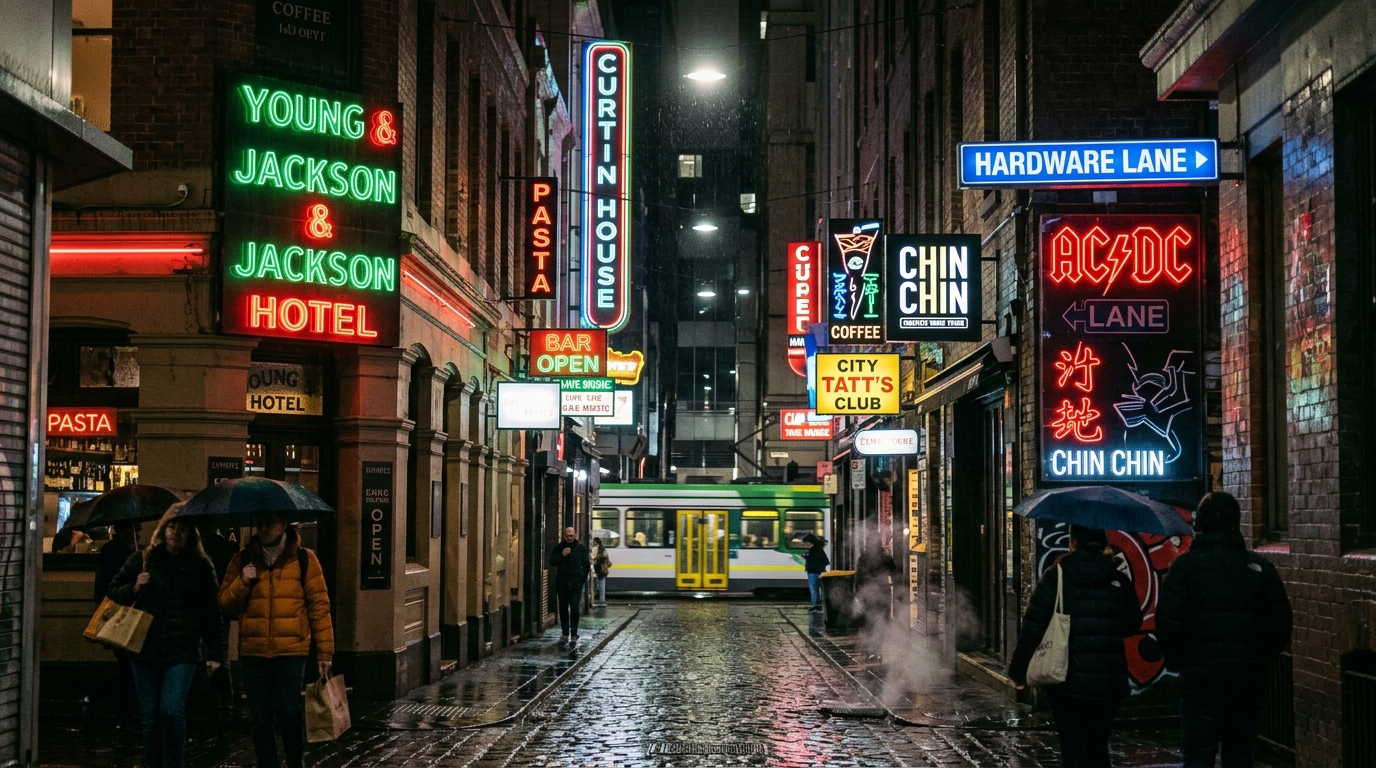
In the fast-paced commercial landscape of 2026, Melbourne businesses face a unique paradox. While digital marketing has reached unprecedented levels of saturation, the value of a physical presence has skyrocketed. Walking down the iconic laneways of the CBD or the bustling high streets of South Yarra and Fitzroy, it is immediately clear that the storefront is no longer just a point of sale—it is a brand’s most powerful communication tool. In an era where 81% of young Australians express a dislike for intrusive digital ads, physical signage has emerged as the preferred “non-intrusive” medium that captures attention without disrupting the user experience.
The evolution of custom signs in Melbourne has been driven by a shift in consumer psychology.
Today’s customers are looking for authenticity and “Instagrammable” moments that start before they even step through the door. For a business to thrive in this environment, a generic “open” sign is no longer sufficient. High-quality, tailored signage serves as a silent salesperson, working 24/7 to establish trust, communicate quality, and guide foot traffic into your premises. As we navigate the specific challenges and opportunities of 2026, understanding the strategic importance of physical branding is the key to maintaining a competitive edge in Victoria’s capital.
The Psychology of Visibility: Driving Foot Traffic in 2026
The impact of high-quality signage on a business’s bottom line is measurable and profound. Recent 2026 data indicates that well-designed exterior signs can increase walk-in customers by as much as 50%. This is particularly relevant in Melbourne, where pedestrian density in hubs like the Bourke Street Mall and Chapel Street remains among the highest in Australia. The split-second decision a customer makes to enter a shop is almost entirely dictated by visual cues. If a sign is faded, cluttered, or poorly lit, roughly 40% of consumers will judge the quality of the products or services inside to be equally subpar.
Clarity and brand consistency are the pillars of effective visibility. In a crowded streetscape, the brain naturally filters out visual noise, focusing only on signs that offer high contrast and clear typography. Custom signs in Melbourne that utilize 3D lettering or halo-lit effects create a sense of depth and professionalism that flat vinyl simply cannot match. By investing in professional design that aligns with your digital identity, you create a cohesive brand story that customers recognize across all touchpoints, significantly improving brand recall.
- First Impression Statistics: Most customers decide whether to enter a business within 7 to 10 seconds of seeing the storefront.
- Customer Search Habits: 77% of consumers report having struggled to find a business due to unclear or poorly placed signage.
- Recall Growth: Brands that use consistent colors and fonts in their physical signage see an 80% increase in recognition compared to those that do not.
- Conversion Power: Upgrading from no sign to a professional custom sign is equivalent to a 10% increase in annual sales for most retail businesses.
Navigating Local Regulations: The 2026 Melbourne Signage Policy Review
For business owners, success is not just about aesthetics; it is also about compliance. As of June 2026, the City of Melbourne is in the midst of a significant Planning Scheme Amendment process following a comprehensive review of the Local Signs Policy. This review, the first major overhaul in over two decades, aims to balance the needs of businesses with the city’s goal of reducing visual clutter and protecting the architectural heritage of its famous laneways. Understanding these shifting regulations is essential for any business planning a new installation or a rebrand.
Compliance often involves navigating specific rules regarding “Total Signage Area” and “Luminance Levels.” For example, signs within 60 meters of major arterial roads or freeways are subject to strict Department of Transport and Planning guidelines to prevent driver distraction. Whether you are installing an animated LED display in the CBD or a traditional A-frame in a suburban shopping strip, ensuring your signage meets the latest safety and environmental standards is non-negotiable. Working with local experts who understand the nuances of the 2026 policy review can save businesses from costly fines and the frustration of having to remove non-compliant installations.
| Signage Type | Permit Requirement (General) | 2026 Regulation Focus |
| :— | :— | :— |
| Business Identification (Fascia) | Required for most commercial zones | Focus on minimalist design and heritage preservation. |
| Animated/Electronic Signs | Mandatory Planning Permit | Strict limits on “refresh rates” and luminance to prevent driver distraction. |
| A-Frame / Pavement Signs | Council-specific (requires public liability) | Clear pedestrian access paths must be maintained (usually 1.5m – 2.0m). |
| Projecting / Under-verandah | Required for all heritage precincts | Height clearance must be at least 2.7m from the pavement. |
Sustainability and Material Innovation: Building a Greener Brand
In 2026, sustainability is no longer a “nice-to-have” feature; it is a core expectation of the Melbourne consumer. Victoria’s commitment to a circular economy has transformed the signage industry, with a massive shift toward eco-friendly materials. Businesses in inner suburbs like Brunswick and South Melbourne are increasingly opting for reclaimed timber, bamboo-composite panels, and highly recyclable metals. These materials do more than just lower a company’s carbon footprint—they tell a story of ethical responsibility that resonates deeply with the local demographic.
Furthermore, the technology behind illuminated signage has undergone a radical transformation. Traditional neon, while nostalgic, is being rapidly replaced by LED-based custom signs in Melbourne. Modern LED neons offer the same vibrant glow but use 60% to 80% less energy and are far more durable. These systems are free from hazardous gases and glass, making them a safer and more sustainable choice for high-traffic environments. By choosing materials that are either recyclable or sourced responsibly, Melbourne businesses can align their physical presence with the values of their customer base.
- Eco-Friendly Substrates: Use of 100% recyclable polypropylene and FSC-certified timber is at an all-time high in 2026.
- UV Resistance: Signage in Melbourne (categorized as UV Zone 2) requires specific lamination to prevent fading from the harsh Australian sun, extending the sign’s life by 10+ years.
- Waste Reduction: Many local sign-makers now offer “take-back” programs where old banners and corflute signs are recycled into new industrial products.
- Low-VOC Inks: The move toward water-based and UV-curable inks has reduced the environmental impact of large-format printing significantly.
The Rise of the “Instagrammable” Facade in Hospitality
The Melbourne hospitality and retail sectors have pioneered the use of signage as a social media catalyst. In 2026, a cafe’s success is often tied to its “shareability.” Custom neon signs and 3D architectural elements serve as the perfect backdrop for customer photos, effectively turning every patron into a brand ambassador. A well-placed neon quote or a distinctive 3D logo in a Fitzroy brunch spot can generate hundreds of organic social media tags, providing a level of reach that traditional advertising cannot buy.
This “experience-led” signage strategy focuses on creating an atmosphere rather than just displaying a name. We are seeing a move toward matte finishes and “stealth branding,” where the signage is integrated into the architecture of the building. This sophisticated approach appeals to a savvy audience that values design over aggressive sales pitches. When a business invests in a custom sign that reflects the unique character of its neighborhood—whether it’s the industrial grit of Richmond or the refined luxury of Toorak—it builds an emotional connection with the community.
- Social Currency: Over 60% of visitors to Melbourne cafes and boutique hotels report that they are more likely to share a photo if the venue features unique or illuminated signage.
- 3D Lettering Depth: Letters with 20mm to 150mm of depth create dynamic shadows that look exceptional in both person and photographs.
- Color Psychology: Melbourne businesses are increasingly using muted “charcoal” and “eucalyptus green” tones to suggest organic quality and local roots.
- Interactive Backdrops: Signage designed specifically at “selfie height” (approx. 1.5m) has seen a 340% increase in social media engagement compared to traditional high-fascia signs.
Technology Integration: Bridging the Physical-Digital Divide
The most significant trend for custom signs in Melbourne in 2026 is the integration of “smart” technology. Signs are no longer static objects; they are gateways to a deeper digital experience. The use of QR codes has evolved from simple menu links to sophisticated “augmented reality” (AR) triggers. A customer passing a storefront after hours can scan a smart sign to see a digital 3D model of the products inside or even make a purchase directly through their smartphone. This ensures that the business is “open” and engaging with customers even when the physical doors are locked.
Moreover, the rise of biometric awareness in public spaces has led to the development of “responsive” signage. While still in its early stages of widespread adoption, some high-end Melbourne retailers are using sensors to adjust the content or lighting of their signs based on the time of day or the density of the crowd. This level of personalization creates a high-tech, seamless experience that reflects the forward-thinking nature of the city. By bridging the gap between physical branding and digital commerce, businesses can create a frictionless journey for their customers.
| Smart Feature | Business Benefit | Customer Experience |
| :— | :— | :— |
| AR Triggers | Showcases full inventory in a small space. | Interactive “try-on” or “see inside” via mobile. |
| Dynamic QR Codes | Real-time updates for promotions and stock levels. | Instant access to loyalty rewards and “hidden” collections. |
| NFC Touchpoints | Seamless “tap-to-follow” for social media growth. | Quick, contact-free information retrieval. |
| Ambient Light Sensors | Reduces energy costs and ensures readability 24/7. | Optimal visibility regardless of Melbourne’s changing weather. |
Maximizing ROI: A Strategic Guide to Signage Types
Investing in custom signs in Melbourne is one of the few marketing expenses that offers a tangible, long-term return on investment (ROI). Unlike a digital campaign that disappears the moment the budget runs out, a high-quality physical sign is a capital asset that continues to perform for years. For most Melbourne retailers, a professional signage upgrade pays for itself within 6 to 18 months through increased foot traffic and brand awareness. The key to maximizing this ROI is selecting the right type of signage for your specific location and business goals.
For high-visibility areas, illuminated 3D fabricated signs offer the highest impact, especially during the shorter days of the Melbourne winter. For businesses with a fleet of vehicles, such as those in the trades or delivery sectors, vehicle wraps act as “moving billboards,” reaching thousands of commuters daily on the Monash or Eastern freeways. By diversifying your signage portfolio—combining a strong primary fascia sign with secondary elements like window graphics and wayfinding—you create a comprehensive brand presence that is impossible to ignore.
- Pylon Signs: Best for businesses located on busy roads (e.g., Nepean Highway) to grab attention from a distance.
- Window Graphics: A cost-effective way to utilize “dead space” for promotions or privacy without blocking natural light.
- Wayfinding Signage: Critical for large office complexes or multi-level retail to ensure a smooth, frustration-free customer journey.
- Custom Neons: Ideal for interior branding and creating a specific mood or “vibe” that encourages long dwell times.
In conclusion, custom signs in Melbourne remain the cornerstone of business success in 2026. By combining the latest in material science, smart technology, and local design trends, businesses can create a physical presence that not only stands out but also builds a lasting legacy in the community. Whether you are a startup in a creative hub or an established brand looking to modernize, your signage is the most direct link between your vision and your customers. In a city that celebrates design and innovation, there is no substitute for a sign that truly reflects the heart of your business.