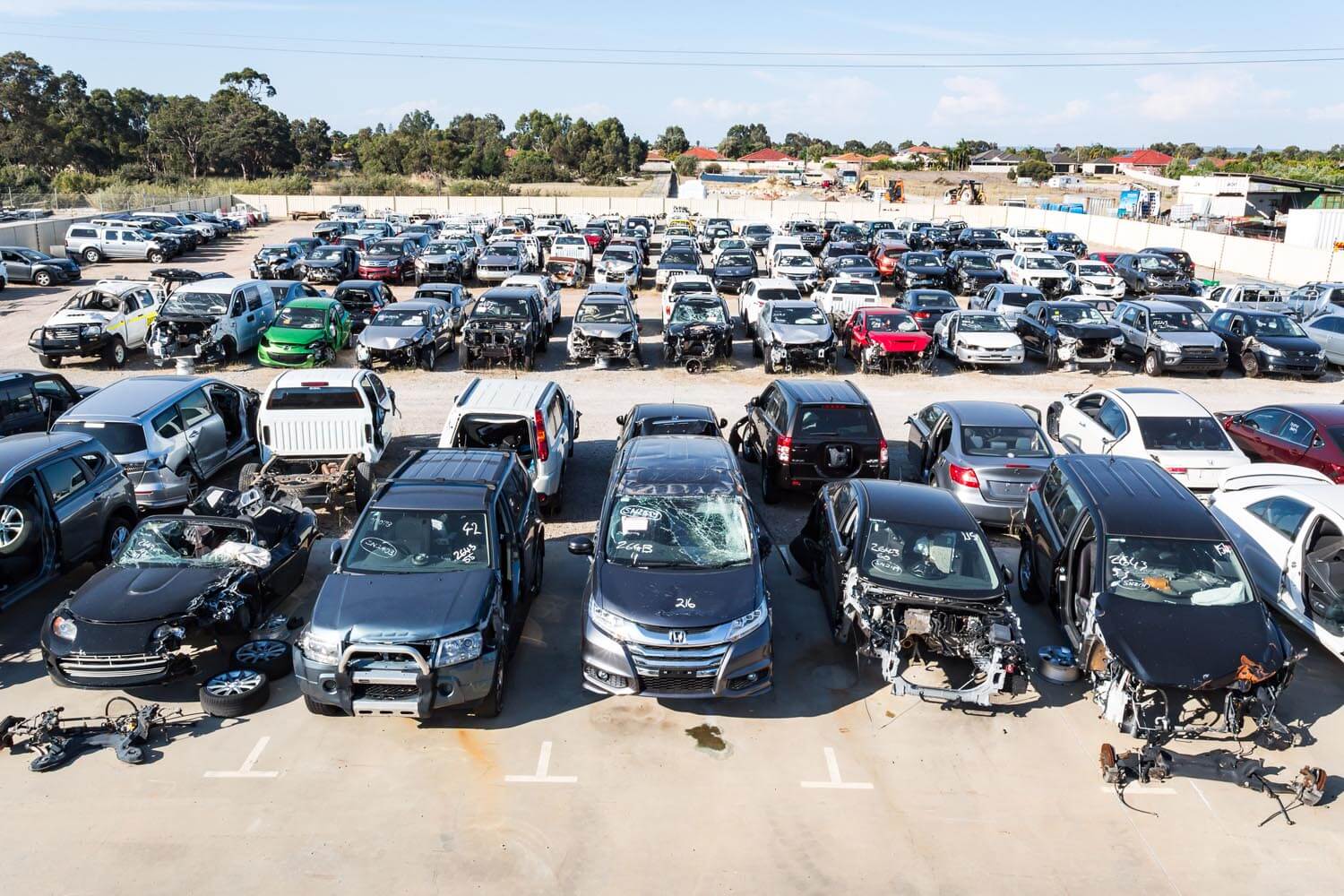
Many vehicles stay on Australian roads for years. Some remain in good condition, while others become difficult to keep running. As a car gets older, it often needs more repairs, uses more fuel, and may no longer suit the owner’s needs. At some point, keeping the vehicle may cost more than it is worth.
This is one of the main reasons older vehicles often end up in unwanted car removal programs. These programs help owners move on from cars that have reached the end of their useful life. They also play a role in recycling materials and reducing waste.
Understanding why older vehicles enter these programs helps explain what happens to ageing cars and why this process has become common across Australia.
The Natural Ageing Process of Vehicles
Every vehicle has a lifespan. Modern cars can last for many years when maintained properly, but no vehicle lasts forever. Parts wear out through daily use, weather exposure, and general ageing.
Engines, transmissions, suspension components, electrical systems, and cooling systems all experience wear over time. Even when repairs are carried out regularly, older vehicles often reach a stage where several major components need attention at the same time.
When repair costs continue to rise, owners often decide that keeping the vehicle no longer makes sense.
Rising Repair Costs
One of the biggest reasons older vehicles end up in removal programs is the increasing cost of repairs.
A vehicle that is ten, fifteen, or twenty years old may need frequent mechanical work. Replacing major parts can be expensive, especially when multiple systems begin failing within a short period.
Common issues found in ageing vehicles include:
- Engine problems
- Transmission failures
- Rust damage
- Electrical faults
- Cooling system issues
- Suspension wear
When repair bills continue to grow, many owners choose to move on from the vehicle rather than invest more money into it.
For BMW owners looking to dispose of damaged, old, or unwanted vehicles, https://ezycarwreckers.com.au/bmw-wreckers-adelaide/
Difficulty Finding Replacement Parts
As vehicles age, finding replacement parts can become more challenging.
Manufacturers often stop producing certain components for older models. While some parts can be sourced from wrecking yards or aftermarket suppliers, availability may be limited.
This situation can leave owners waiting longer for repairs and paying higher prices for hard-to-find components. In some cases, a single unavailable part can make the vehicle impractical to keep on the road.
For this reason, many ageing vehicles eventually enter removal programs where useful parts can be recovered and reused.
Declining Fuel Efficiency
Older vehicles often consume more fuel than newer models.
Vehicle technology has changed significantly over the past two decades. Modern engines are designed to use fuel more effectively while producing fewer emissions.
An older vehicle may require more fuel to travel the same distance. For owners who drive regularly, fuel expenses can become a major concern.
When combined with repair costs, poor fuel economy often encourages owners to replace older vehicles with newer options.
Safety Concerns
Safety standards continue to improve throughout the automotive industry.
Many older vehicles were built before modern safety features became common. Features now found in many vehicles include:
- Multiple airbags
- Electronic stability control
- Advanced braking systems
- Lane departure warnings
- Collision avoidance technology
Older cars may lack some or all of these features. As a result, owners may decide that upgrading to a newer vehicle is a better choice for themselves and their families.
Once replaced, the old vehicle may enter an unwanted car removal program.
The Impact of Rust and Structural Damage
Rust is a major issue for many ageing vehicles.
Over time, moisture, road conditions, and environmental exposure can damage metal components. Rust can affect body panels, undercarriages, suspension mounting points, and structural sections of the vehicle.
Minor rust can often be repaired. However, severe corrosion may compromise safety and lead to costly restoration work.
When rust reaches a point where repairs become uneconomical, owners often choose vehicle removal as the final option.
Accidents and Insurance Decisions
Not all vehicles enter removal programs because of age alone.
An older vehicle involved in an accident may be declared uneconomical to repair. Insurance companies often compare repair costs against the vehicle’s market value.
If repair expenses exceed the vehicle’s worth, repairs may not proceed. The damaged vehicle then becomes a candidate for removal and recycling.
This process is common among older cars because their market value is generally lower than that of newer vehicles.
Environmental Factors
Vehicle removal programs also support environmental goals.
Older vehicles contain materials that can be recovered and used again. These materials include:
- Steel
- Aluminium
- Copper
- Rubber
- Glass
- Plastics
Recycling these materials reduces the need for new raw resources. According to global automotive recycling data, millions of tonnes of metal are recovered from end-of-life vehicles every year.
Removing ageing vehicles from the road can also help reduce emissions when they are replaced by newer models with cleaner technology.
When Owners No Longer Need the Vehicle
Sometimes the reason is not mechanical.
Many households keep unused vehicles sitting in garages, driveways, or backyards. These vehicles may have been replaced years earlier and simply remain on the property.
Over time, unused vehicles can take up space and continue to deteriorate. Owners often decide that removing them is a practical step.
In such situations, vehicle removal programs provide a way to clear the space while ensuring the vehicle is handled properly.
A Practical Option for Unused Vehicles
When an ageing vehicle is no longer roadworthy, many owners begin looking for a suitable way to remove it. This is where unwanted car removal adelaide services can fit naturally into the process. Companies such as EZY Car Wreckers Adelaide help vehicle owners deal with cars that have reached the end of their useful life. Rather than leaving an unwanted vehicle sitting idle for years, owners can arrange for its removal so that reusable parts and recyclable materials can be recovered and returned to the automotive industry.
What Happens After Vehicle Removal?
Many people wonder what happens after a vehicle leaves their property.
The process usually involves several stages:
Vehicle Inspection
The vehicle is assessed to identify reusable parts and recyclable materials.
Parts Recovery
Components that remain in usable condition may be removed for resale or future use.
Fluid Removal
Liquids such as engine oil, coolant, fuel, and transmission fluid are removed and handled according to environmental requirements.
Material Recycling
Metal and other recyclable materials are processed and prepared for reuse.
Waste Management
Materials that cannot be reused or recycled are disposed of through approved methods.
This process helps reduce landfill waste while supporting resource recovery.
The Growing Role of Vehicle Recycling
Vehicle recycling has become an important part of the automotive industry.
Modern recycling methods allow large portions of a vehicle to be recovered. Steel is one of the most recycled materials in the world, and end-of-life vehicles contribute significantly to this process.
As environmental awareness continues to grow, recycling ageing vehicles remains an important way to reduce waste and support responsible resource use.
Conclusion
Older vehicles often end up in unwanted car removal programs for many reasons. Ageing components, rising repair costs, fuel consumption, safety concerns, rust damage, and accident-related issues all contribute to this outcome.
In many cases, owners reach a point where keeping the vehicle no longer makes practical or financial sense. Removal programs provide a pathway for these vehicles to be dismantled, recycled, and processed responsibly.
As vehicles continue to age and technology advances, unwanted car removal programs will remain an important part of managing end-of-life vehicles across Australia.