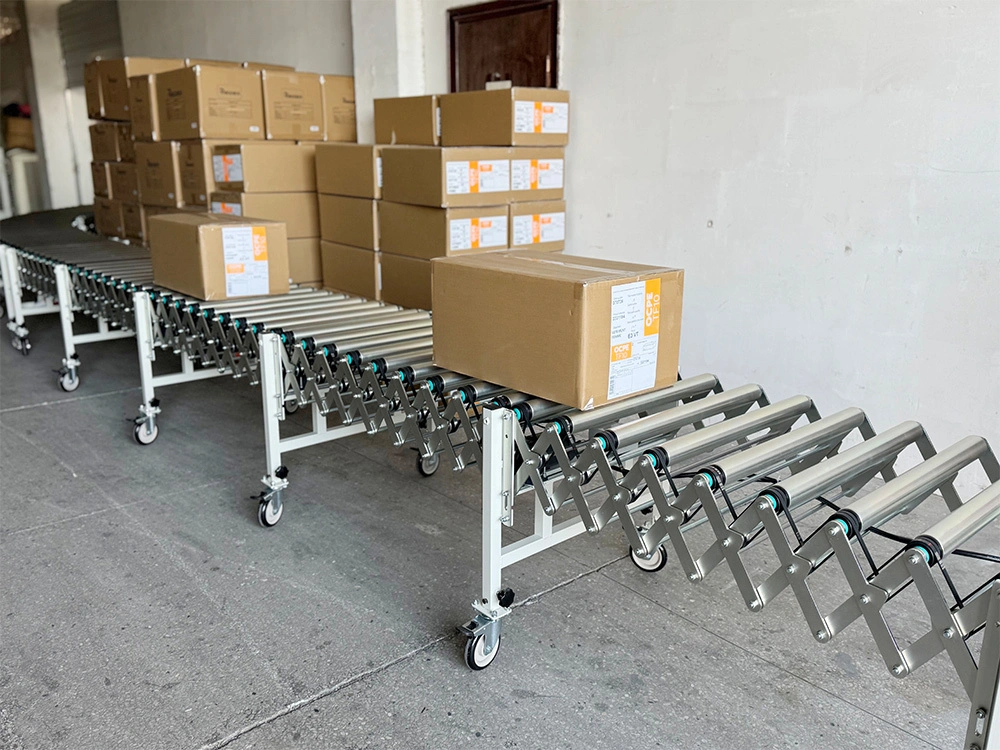
Order fulfillment centers live or die by how quickly and accurately they can get products from storage into a customer’s hands, and every stage of that process represents an opportunity either to save time or to introduce costly delays. A flexible motorized roller conveyor supports this process at nearly every stage, from initial picking through final packing, helping fulfillment teams keep pace with steady or fluctuating order volumes without needing to add significant extra staff during busier periods of the year.
Speeding Up the Picking-to-Packing Journey
Once an item is picked from storage, it typically needs to travel to a packing station before it can be shipped, and the distance between these two points can vary significantly depending on the size and layout of the facility. Learn how a flexible motorized roller conveyor shortens this journey by carrying items directly toward packing areas, reducing the time pickers spend walking items across the facility themselves and allowing them to focus on picking the next order instead.
Maintaining Accuracy During High-Volume Periods
When order volumes spike, the risk of picking or packing errors tends to rise as well, especially if workers feel rushed and start cutting corners just to keep up with the pace of incoming orders during a particularly busy stretch. A steadier, conveyor-driven flow helps maintain a more consistent pace, which in turn supports better accuracy even during the busiest fulfillment periods of the year, when a single mistake can mean an unhappy customer and a costly return shipment.
Supporting Multiple Fulfillment Zones
Larger fulfillment centers often have separate zones for different product categories, and connecting these zones efficiently matters for overall speed, particularly when an order includes items pulled from more than one part of the facility. A portable conveyor can be positioned to link zones as needed, adapting to whichever part of the facility requires extra support on a given day, rather than being permanently fixed to serve only one specific area regardless of where the actual bottleneck happens to be.
Reducing Fulfillment Errors and Returns
Fewer handling mistakes during the fulfillment process generally translate into fewer incorrect or damaged shipments reaching customers, which has a direct impact on both customer satisfaction and the costs associated with processing returns and replacements. Since motorized conveyor movement tends to be steadier and more controlled than rushed manual carrying, facilities often see a modest but meaningful reduction in return rates after introducing this equipment, adding up to real savings over the course of a full year.
Keeping Pace With Customer Expectations
Modern customers expect fast, accurate order fulfillment, and the equipment behind the scenes plays a real role in meeting that expectation, even though it’s rarely something the customer ever sees or thinks about directly. Fulfillment centers that invest in flexible, motorized handling tools are generally better positioned to keep up with rising customer expectations around shipping speed and order accuracy, staying competitive in an environment where delivery performance increasingly shapes customer loyalty.