First impressions are absolute in the world of commercial real estate. Whether managing an upscale retail center, a corporate headquarters, a multi-family luxury apartment complex, or a high-end mixed-use development, the exterior of a property dictates how it is perceived before a visitor ever steps through the front door. A chaotic, unkempt, or utterly uninspired exterior can actively drive away premium tenants, clients, and customers. Conversely, a meticulously designed, high-end landscape signals prestige, professionalism, and careful attention to detail.
While many property managers mistake commercial landscaping for simple routine lawn care and seasonal flower planting, true asset elevation begins much earlier. To unlock the full financial and aesthetic potential of an estate, it is essential to enlist the expertise of a professional commercial landscape architect. These specialized designers bridge the gap between structural engineering, environmental science, and high-end artistic design to transform standard commercial plots into highly valuable, functional, and visually stunning architectural landmarks.
The Strategic Value of Architectural Master Planning
A commercial landscape designer looks far beyond the immediate visual layout of a property. They approach a commercial site as a dynamic ecosystem where human behavior, architectural design, vehicular traffic, and environmental constraints intersect. When a business invests in professional site planning, they are investing in long-term asset appreciation and risk mitigation.
Professional master planning addresses critical operational elements that directly impact a property’s bottom line:
- Pedestrian Flow and Spatial Navigation: Architects design intuitive walkways, entryways, and transitional spaces that guide clients smoothly from parking structures to main entry points.
- Environmental Sustainability and Stormwater Management: Utilizing advanced civil techniques, an architect integrates beautiful rain gardens, bioswales, and permeable hardscapes that handle heavy rainfall, reduce municipal runoff fees, and prevent costly structural erosion.
- Microclimate Optimization: By strategically placing mature canopy trees, vertical green walls, and shaded structures, an architect can lower ambient temperatures across a commercial complex, cutting down summer cooling costs for adjacent buildings.
Translating Residential Trends into Commercial Assets
Interestingly, the modern commercial sector is undergoing a massive design shift, borrowing heavily from high-end residential design concepts. Today’s corporate clients, retail consumers, and luxury tenants no longer want cold, sterile concrete plazas. They crave human-centric, warm, and inviting environments that mimic the comfort of premium residential spaces.
Forward-thinking commercial architects are increasingly adapting concepts traditionally found in new home landscaping to commercial properties. This includes creating soft, layered plant boundaries that obscure harsh security fencing, using residential-grade native specimen trees to create a sense of established permanent history, and designing welcoming, residential-style front entryways for boutique commercial offices.
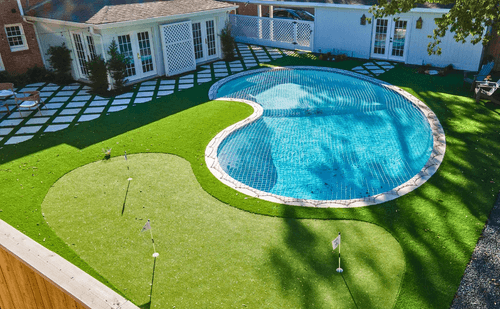
Furthermore, commercial properties are maximizing their square footage by undergoing the commercial equivalent of an outdoor living remodel. Corporate campuses are tearing out underutilized turf patches to build sophisticated outdoor boardrooms, complete with weather-resistant presentation screens and charging stations. High-end retail centers are installing shaded lounge courtyards featuring premium outdoor porcelain tile, custom stone fire pits, and comfortable seating to encourage shoppers to linger longer—directly boosting retail revenues.
Balancing Aesthetics with Commercial Durability
Designing for a commercial space requires a strict understanding of durability and public safety that standard residential landscaping rarely demands. A commercial architect is highly trained in selecting materials and flora that can withstand intense, high-volume foot traffic, vehicular emissions, and the urban heat island effect, all while maintaining an elite aesthetic.
| Design Element | Standard Commercial Approach | Architectural Masterpiece Approach |
| Plant Selection | Cheap, generic shrubs repeated across the property. | Layered native perennials, drought-tolerant ornamental grasses, and structural specimen trees. |
| Hardscape Materials | Standard poured concrete or basic asphalt walkways. | Premium commercial-grade travertine pavers, architectural concrete finishes, and stone masonry walls. |
| Water Features | Basic, high-maintenance spray fountains. | Eco-friendly architectural reflection pools, structural waterfalls, and smart water walls. |
| Lighting Design | Harsh, industrial floodlights focused purely on security. | Low-voltage LED architectural lighting, hidden path illumination, and dramatic tree-uplighting. |
By upgrading from a baseline functional approach to a highly designed architectural approach, a property instantly differentiates itself from competitors, allowing landlords to command premium lease rates.
Environmental Stewardship and LEED Certification
In the modern commercial real estate market, sustainability is a massive driver of property value. Corporations actively seek out tenancies in buildings that demonstrate a commitment to environmental stewardship. A licensed landscape architect is instrumental in achieving prestigious green building certifications, such as LEED (Leadership in Energy and Environmental Design).
Architects achieve this by implementing smart, weather-sensing irrigation systems that reduce water waste by up to 50%. They focus heavily on xeriscaping—utilizing indigenous plants that thrive naturally in the local climate without requiring chemical fertilizers or constant watering. By replacing vast expanses of traditional grass with native groundcovers and structural hardscapes, they drastically slash ongoing weekly maintenance costs while simultaneously creating a biodiverse habitat for local pollinators.
Conclusion
The exterior of a commercial property should never be treated as a mere buffer zone between the street and the building. It is a powerful financial asset that, when properly designed, actively drives revenue, reduces operational overhead, and elevates the prestige of the entire brand.
By partnering with a dedicated commercial landscape architect, property owners can blend the welcoming, high-end warmth of modern residential design with the rugged, structural durability required for public spaces. The result is a stunning, cohesive environment that welcomes visitors, inspires employees, and builds lasting real estate equity for decades to come.