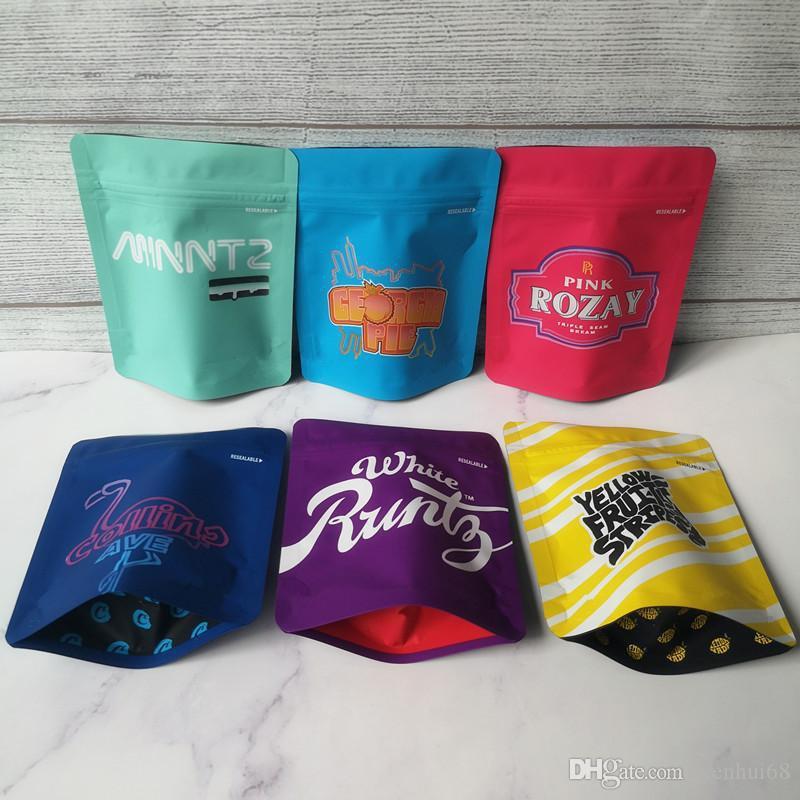
Custom paper is also used in the packaging, branding and presentation of products in the modern day. It is used by businesses to create a consistent visual identity in the various applications they use. It aids the packaging, shipping, promotions, and event materials of retail. Quality paper solutions enhance the system and communication.
Businesses appreciate the fact that they can choose the size, texture, and printing. Custom paper, which is professionally finished and structured in design, enhances brand recognition. It also enhances the general appearance of goods in the competitive markets. It discusses the formats, advantages and commercial applications of this article in a straightforward and practical manner to the growing businesses.
Material Quality Standards
Durability and performance are dependent on the choice of material. Specialized paper should be strong throughout handling and storage. Clear printing results are achieved on smooth surfaces. The level of thickness may be varied according to the requirements of the application. The texture and colour are maintained through quality control. Good materials minimize the problem of tears and folds. The types of paper used by businesses are those that can work both manually and automatically. High standards aid in ensuring brand uniformity in two or more production batches. Well-selected products enhance customer satisfaction and product reliability.
Bag Packaging Uses
Structured paper forms are used frequently in packaging solutions. A traditional custom paper bag is convenient in terms of carrying packages to shopping malls and parties. It helps in branding using printed surfaces. The bag design is easy for customers to carry. Businesses utilize it in clothing, presents and advertisements. It is a presentation and functionality. Tailor-made sizes assist in the dimensions of products. This format will facilitate efficiency within retailing and preserve the packaging order. Paper bags continue to be used as a very popular solution at professional levels.
Roll Format Applications
Mass production may need a continuous supply of material. A custom paper roll will provide some flexibility to packaging and wrapping activities. Automated systems should make use of rolls. They can be cut to the necessary lengths. The format minimizes the breaks in materials during the manufacturing process. It enhances uniform production in the factories. The companies value the convenience of using bulk materials. Roll formats ensure the efficiency of the workflow. They are usually applied in warehouses and distribution centers.
Sheet-Based Solutions
The flat formats are accurate and detailed when needed; custom paper sheets can be used in controlled applications in packaging and printing operations. Pre-cutting sheets can be done to a particular size. This minimizes wastage in making preparations. They can be used in wrapping and presentation manually. They are used as inserts and barriers by businesses. The sheet formats are easy to store and handle. They also promote structured inventory control. This hierarchy enhances flexibility among a variety of departments.
Printed Branding Options
Picture communication enhances product identity. Custom-printed wrapping paper improves the presentation of packaging by means of detailed graphics. Printed designs enable the company to communicate uniformly with the brand. Logos and promotional elements can be a part of businesses. Clarity is enhanced by high-resolution printing. This format has been used to support seasonal campaigns and special editions. Bespoke graphics raise awareness at the retail level. Simple packaging is changed into a marketing tool with the use of printed wrapping paper. It favours professional presentation in various industries.
Advanced Printing Methods
Technology is also very important in quality production. Precise colour control and accuracy of design are made possible with custom paper printing. Contemporary methods guarantee clear images and text. Large volumes of production are assisted by printing systems. Branding relies on congruity between batches. Businesses are able to select single colour or full colour. Correct positioning enhances the result. The use of advanced printing techniques improves communication using packaging materials. This process is a good way of supporting marketing goals.
Bulk Supply Strategy
Big companies also need dependable supply chains. Custom paper wholesale solutions serve bulk buying to keep the business going. Wholesale production ensures all orders have the same quality. It streamlines the procurement planning. There is stability in inventory levels in businesses. In bulk supply, there is a reduction in delays in production. The regularity in the flow of material enhances the efficiency of operations. The strategy facilitates the entry into new markets. Wholesale formats assist in sustaining the design continuity between locations.
Decorative Wrap Options
The presentation usually needs attractive materials. Retail and gift wrapping are done in Custom Boxes. It enhances the look of goods as they are being delivered. This format accommodates innovative layouts and the themes of brands. Presentation through wrapping paper is organized. It can be used in seasonal advertisements. It is employed to enhance customer experience in businesses. The material offers protection and design worth. It enhances the display of products in shops and functions.
Conclusion
Custom paper has been used as a flexible packaging, branding and marketing solution. Its various formats favour businesses within any industry. Bags and rolls, sheets and printed versions, every possible variation is aimed at a particular purpose. Custom designs can help companies to be better organized, presented, and communicated. Good quality paper and strong printing would create brand uniformity. Wholesale supply is in favour of massive operations. When custom paper is carefully chosen and implemented, it can become an important tool for contemporary businesses. It enhances identity, efficiency and professional presentation in competitive markets.