In the world of interior architecture and home design, few elements have the same visual and functional impact as staircases and decorative trim. Among these, custom staircases and wood mouldings stand out as defining features that can transform an ordinary space into something truly refined and cohesive. When thoughtfully designed and executed, they do more than serve practical purposes—they become focal points that express style, craftsmanship, and personality within a home or commercial space.
Custom staircases are no longer just structural necessities that connect different levels of a building. Today, they are central design statements that reflect architectural intent and personal taste. Whether crafted in modern minimalism with clean lines and open risers, or designed in traditional styles featuring intricate balusters and rich wood tones, custom staircases offer limitless design flexibility. Homeowners and designers increasingly choose custom staircases to ensure that the structure aligns perfectly with the surrounding interior theme rather than appearing as an afterthought.
One of the most significant advantages of custom staircases is their adaptability. Unlike prefabricated options, they can be tailored to fit unique spatial constraints, unusual layouts, or specific aesthetic goals. For example, in homes with open-concept designs, floating custom staircases can create a sense of airiness and modern elegance. In contrast, curved or spiral designs can introduce a dramatic architectural element that draws attention immediately upon entering a space. This level of personalization allows architects to harmonize stair design with flooring, wall finishes, and ceiling treatments.
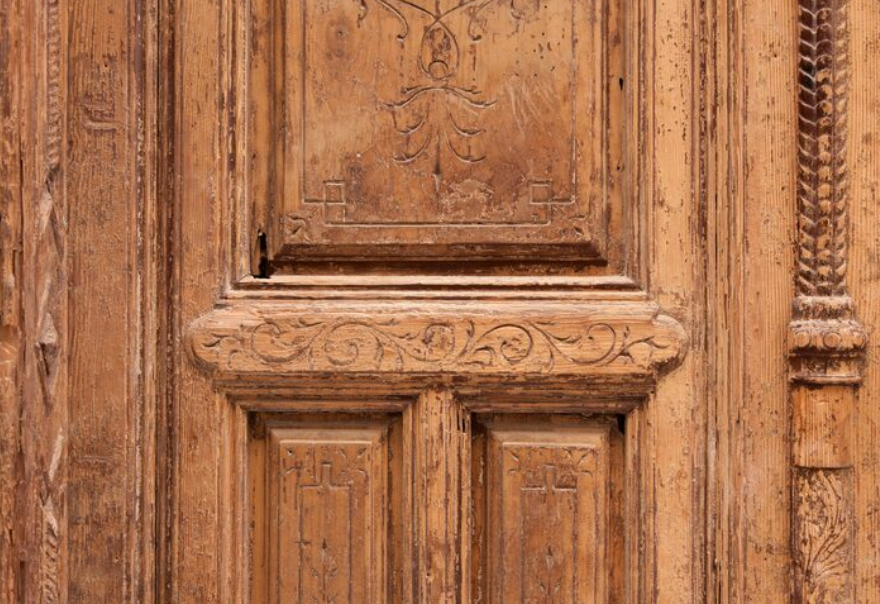
Equally important in interior detailing are wood mouldings, which provide the finishing touch that ties a room together. Wood mouldings include baseboards, crown moulding, door casings, and chair rails, each serving both decorative and functional purposes. While often overlooked, these elements play a crucial role in creating visual continuity and enhancing the overall aesthetic of a space. High-quality wood mouldings can elevate even the simplest rooms by adding depth, texture, and definition.
When custom staircases are paired with well-designed wood mouldings, the result is a seamless architectural flow that enhances the entire interior environment. For instance, the handrail of a staircase can be matched with the profile of nearby wood mouldings, creating a unified design language throughout the home. This consistency helps guide the eye naturally from one space to another, reinforcing a sense of cohesion and thoughtful design.
The materials used in custom staircases and wood mouldings are also essential in determining the final appearance and durability of the installation. Hardwoods such as oak, maple, cherry, and walnut are popular choices due to their strength and natural beauty. These materials can be stained or finished in various ways to match flooring, cabinetry, or furniture. In contemporary interiors, lighter finishes are often used to create a bright, airy feel, while darker stains provide a sense of richness and sophistication.
Craftsmanship plays a critical role in the quality of both custom staircases and wood mouldings. Skilled artisans and carpenters ensure that every joint, curve, and edge is precisely executed. In staircases, this includes accurate measurements for risers and treads, smooth integration of railings, and secure structural support. For wood mouldings, precision cutting and installation ensure that corners align perfectly and transitions between surfaces appear seamless. Poor workmanship in either element can significantly diminish the overall impact of an interior space.
Design trends in custom staircases continue to evolve, influenced by broader architectural movements. Modern homes often favor open-riser designs that allow light to pass through, creating a more spacious feel. Glass railings combined with wooden treads are also increasingly popular, offering a blend of transparency and warmth. Meanwhile, traditional interiors still embrace ornate custom staircases featuring carved details, turned balusters, and decorative newel posts that showcase classic craftsmanship.
Wood mouldings have also seen a resurgence in contemporary design, particularly as homeowners seek to add character to minimalist spaces. Simple yet elegant profiles are being used to frame walls, ceilings, and doors without overwhelming the overall design. In more luxurious settings, layered crown mouldings and detailed wainscoting add depth and grandeur, reinforcing a sense of architectural richness.
Another important aspect of integrating custom staircases and wood mouldings is their role in increasing property value. Well-designed architectural details are often viewed as indicators of quality construction and thoughtful design. Potential buyers tend to appreciate the elegance and permanence that custom staircases bring to a home, as well as the refined finishing touches provided by wood mouldings. These features contribute not only to visual appeal but also to perceived investment value.
Maintenance is also a key consideration. Both custom staircases and wood mouldings require regular care to preserve their appearance and longevity. Dusting, polishing, and occasional refinishing help maintain the natural beauty of wood surfaces. In high-traffic areas such as staircases, protective finishes can be applied to reduce wear and tear. Proper maintenance ensures that these architectural elements remain attractive and functional for many years.
In renovation projects, upgrading to custom staircases and enhancing wood mouldings can dramatically transform the feel of an existing space. Replacing a standard staircase with a custom-designed version can redefine the entire entryway or central hall. Similarly, updating outdated trim with modern or classic wood mouldings can instantly refresh a room without requiring major structural changes. These improvements are often cost-effective ways to elevate interior design impact.
Ultimately, the combination of custom staircases and wood mouldings represents the intersection of functionality and artistry in interior design. Each element serves a practical purpose while also contributing to the overall aesthetic harmony of a space. When carefully designed and expertly crafted, they work together to create interiors that feel cohesive, elegant, and intentional.
Whether in a new construction project or a thoughtful renovation, investing in custom staircases and wood mouldings allows homeowners and designers to move beyond standard solutions and embrace true customization. The result is a space that not only meets functional needs but also reflects a deeper appreciation for detail, craftsmanship, and timeless design principles.