Early childhood is the most important stage of a child’s life. It is the time when children learn basic skills, build habits, and develop their personality. Parents always want the best environment where their child can grow with confidence, happiness, and curiosity. One of the most trusted early education systems in the world is the Montessori Kindergarten approach.
This learning system focuses on child-centered education, where children learn at their own pace through hands-on activities. Instead of forcing children to memorize lessons, it encourages them to explore, discover, and understand the world naturally. This method has become very popular among parents who want a strong educational foundation for their children.
In this article, we will explore the major benefits of choosing this learning approach and why it is becoming a preferred choice for early education.
Understanding the Montessori Approach to Early Learning
The Montessori approach is based on a simple idea: children learn best when they are free to explore and learn through experience. In traditional classrooms, teachers usually lead the lesson while children listen. But in this method, children take an active role in learning.
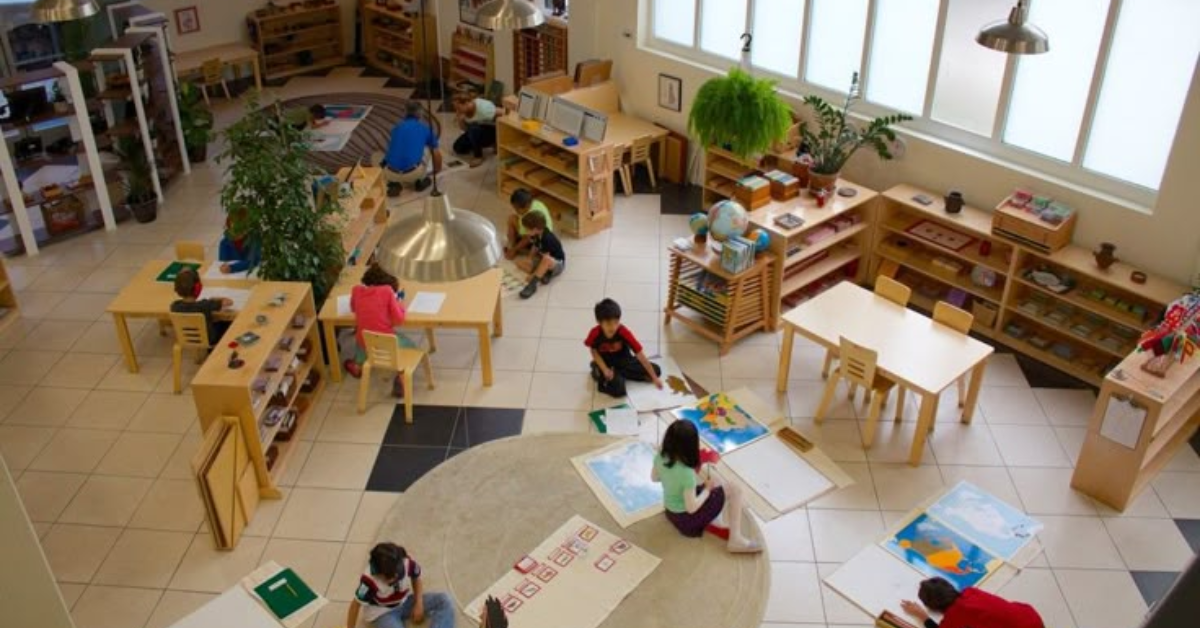
Classrooms are designed in a way that allows children to move freely and choose activities that interest them. Learning materials are carefully prepared to support different areas like reading, math, science, and practical life skills.
Teachers act as guides rather than strict instructors. They observe each child and provide support when needed. This helps children build independence and confidence from an early age.
The environment is calm, organized, and focused on learning through real-life experiences. This creates a positive atmosphere where children feel safe and motivated.
How It Encourages Independence and Confidence
One of the biggest advantages of this learning system is that it helps children become independent. From a young age, children are encouraged to make simple choices on their own, such as selecting activities, cleaning up their space, and completing tasks without constant help.
This independence builds confidence naturally. When a child successfully completes a task by themselves, they feel proud and motivated to try new things. Over time, this creates a strong sense of self-belief.
Children also learn responsibility. They understand that their actions matter and that they are capable of taking care of small tasks. This is very important for emotional growth and future success in school and life.
In this learning environment, mistakes are seen as part of learning. Instead of being punished, children are guided to understand and try again. This helps reduce fear and builds a healthy attitude toward learning.
By developing independence early, children become more confident learners in the future. They are better prepared to handle challenges in school and daily life.
Hands-On Learning That Makes Education More Meaningful
Another important benefit of this educational method is hands-on learning. Children do not just listen or watch; they actively participate in activities.
They use special learning tools that help them understand concepts in a simple and practical way. For example, instead of only reading about numbers, they may use objects to count and solve problems. This makes learning more clear and interesting.
Hands-on activities also improve memory. When children physically interact with materials, they understand better and remember longer. This helps build a strong foundation in subjects like math, language, and science.
This method also supports creativity. Children are encouraged to explore different ways of solving problems. There is no single “right answer” for everything, which allows them to think freely.
Because learning feels like play, children stay more engaged and enjoy the process. This reduces stress and builds a positive attitude toward education from an early age.
Supporting Social, Emotional, and Cognitive Development
Early childhood education is not only about academics. It is also about emotional and social development. In this system, children learn how to interact with others in a respectful and positive way.
They work in groups, share materials, and help each other. This builds teamwork and communication skills. Children also learn patience and understanding while working with classmates of different ages.
Emotionally, children become more balanced and calm. The environment is designed to reduce pressure and encourage peaceful learning. Teachers guide children to express their feelings in healthy ways.
Cognitive development is also strongly supported. Activities are designed to improve thinking skills, problem-solving abilities, and concentration. Children learn how to focus on tasks for longer periods, which is very important for future academic success.
Overall, this system supports complete development, not just academic learning.
Building a Strong Foundation for Lifelong Learning
A strong early education system plays a major role in shaping a child’s future. When children develop good learning habits early, they perform better in school and beyond.
This educational approach builds curiosity, which is one of the most important skills for lifelong learning. Children learn to ask questions, explore answers, and think critically about the world around them.
They also develop discipline and focus. Because they are given the freedom to choose activities, they learn how to manage their time and responsibilities. This helps them become more organized learners.
Another important benefit is adaptability. Children who learn in this environment are more flexible and confident when facing new situations. They are not afraid of change and are willing to try new things.
Parents often notice that children who go through this type of early education are more independent, responsible, and confident in school.
By building strong foundations in the early years, children are better prepared for academic success and personal growth in the future.
Conclusion
Choosing the right early education system is one of the most important decisions for parents. A good foundation can shape a child’s future learning journey and overall development.
The Montessori Kindergarten approach offers a unique way of learning that focuses on independence, hands-on experience, and emotional growth. It helps children develop confidence, curiosity, and strong learning skills from an early age.
The Montessori Kindergarten method also supports social development, creativity, and problem-solving abilities. It prepares children not just for school, but for life.
In today’s fast-changing world, children need more than just academic knowledge. They need confidence, thinking skills, and independence. This learning system provides all of these in a natural and effective way.
The Montessori Kindergarten approach continues to be a trusted choice for parents who want their children to grow into capable, confident, and lifelong learners.