Choosing the Best Lifeguard Course is an important step for anyone who wants to build confidence, develop lifesaving skills, and work in aquatic safety across the USA. Lifeguards are not only responsible for watching swimmers; they are trained professionals who help prevent accidents, respond to emergencies, perform rescues, and provide first aid when needed.
In the United States, pools, beaches, water parks, schools, resorts, and community centers need trained lifeguards who understand water safety and emergency response. A strong lifeguard course gives students the knowledge, practical skills, and confidence required to protect people in real-life situations. American Lifeguard USA provides training support for individuals who want to become responsible, prepared, and job-ready lifeguards.
What Is the Best Lifeguard Course?
The Best Lifeguard Course is a complete training program designed to teach students how to prevent, recognize, and respond to aquatic emergencies. It usually includes water rescue skills, CPR, AED use, First Aid, surveillance techniques, teamwork, and emergency action planning.
A good course does not only teach students how to swim fast. It teaches them how to stay alert, make quick decisions, communicate clearly, and act safely under pressure. Lifeguards must know how to identify a swimmer in distress, rescue a victim, support breathing or circulation when necessary, and work with emergency medical services.
A professional lifeguard course should include both classroom learning and hands-on practice. Students learn safety rules, legal responsibilities, rescue steps, and practical response methods. This combination helps prepare them for real working environments.
Why Lifeguard Training Matters in the USA
Water activities are popular across the United States. Families visit pools, beaches, lakes, camps, and water parks every year. With so many people around water, trained lifeguards are essential for public safety.
Lifeguard training matters because emergencies can happen quickly. A swimmer may become tired, injured, unconscious, or trapped in a dangerous situation. Without proper training, it can be difficult to respond safely and effectively.
A certified lifeguard learns how to stay calm, follow the correct rescue process, and reduce risks for both the victim and the rescuer. This is why choosing the Best Lifeguard Course is so important for anyone who wants to work in aquatic safety.
Who Should Take a Lifeguard Course?
A lifeguard course is ideal for students, athletes, swimmers, job seekers, and anyone interested in water safety. Many high school and college students choose lifeguarding because it offers flexible work opportunities and valuable life experience.
It is also useful for people who want to work at:
Swimming pools
Water parks
Beaches
Hotels and resorts
Summer camps
Community centers
Fitness clubs
Aquatic recreation facilities
People who enjoy helping others, staying active, and working in a responsible role can benefit from lifeguard training. It is also a strong choice for anyone planning a future in healthcare, emergency services, sports, recreation, or public safety.
How the Best Lifeguard Course Builds Real Skills
The Best Lifeguard Course focuses on practical skills that can be used in real emergencies. Students are trained to recognize warning signs, respond quickly, and use proper rescue techniques.
One of the most important skills is victim recognition. A person in trouble may not always shout for help. Many drowning situations are quiet and fast. Lifeguards learn how to observe body position, movement, facial expression, and behavior in the water.
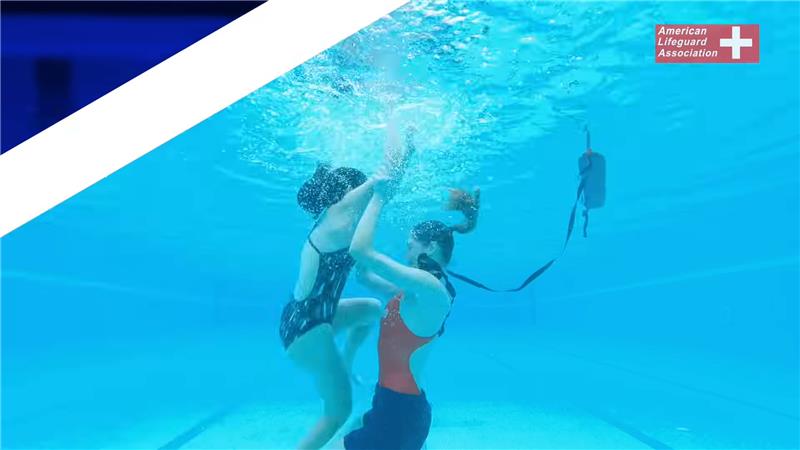
Another key skill is rescue technique. Students practice reaching assists, throwing assists, active victim rescues, passive victim rescues, and deep-water rescues. They also learn how to remove a victim from the water safely.
CPR and First Aid are also major parts of training. A lifeguard may need to provide care before emergency medical teams arrive. Proper training helps lifeguards respond with confidence and accuracy.
What Students Learn During Lifeguard Training
A complete lifeguard course usually includes several important learning areas.
Students learn water surveillance, which means scanning the water carefully and identifying risks before they become serious. They also learn how to manage crowded swimming areas, communicate with swimmers, and enforce safety rules professionally.
Rescue training teaches students how to approach victims safely, use rescue equipment, and avoid putting themselves in unnecessary danger. This is important because a panicked swimmer can accidentally pull a rescuer underwater.
First Aid training prepares students to handle cuts, falls, heat illness, breathing problems, and other common emergencies. CPR and AED training help lifeguards respond to cardiac and breathing emergencies.
Students also learn teamwork. Lifeguards often work with other staff members during emergencies. Clear communication, assigned roles, and quick coordination can improve the outcome of a rescue.
How to Choose the Best Lifeguard Course
Choosing the right training provider is important. A strong course should be professional, practical, and focused on student success.
When selecting a course, look for experienced instructors, updated training methods, hands-on practice, clear certification requirements, and support for students. The course should prepare learners for real job responsibilities, not just help them pass a test.
The best course should also explain what students need before joining. Some programs require a swimming test, age requirement, and physical ability to complete rescues. These requirements help ensure students are ready for the demands of lifeguarding.
American Lifeguard USA helps students understand the training process and develop the skills needed for aquatic safety roles across the USA.
Why Choose American Lifeguard USA?
American Lifeguard USA is a professional choice for individuals looking for lifeguard training and certification guidance in the United States. The company focuses on helping students gain practical knowledge, safety awareness, and confidence for real aquatic environments.
Students choosing American Lifeguard USA can benefit from professional training support, practical safety education, and a clear focus on emergency readiness. The goal is to help learners become responsible lifeguards who can protect swimmers and respond correctly when emergencies happen.
The company understands that lifeguarding is a serious responsibility. That is why the training approach should focus on preparation, confidence, and real-world application.
What Makes a Lifeguard Course People-First?
A people-first lifeguard course is designed for real students and real safety needs. It should not only provide information but also help learners understand how to use that information in real life.
A people-first course explains skills clearly, supports student progress, and focuses on safety outcomes. It helps students understand why each skill matters. For example, CPR is not just a requirement; it is a lifesaving action that may help someone survive until advanced medical care arrives.
The Best Lifeguard Course should also prepare students mentally. Lifeguards need patience, focus, confidence, discipline, and professionalism. A strong course helps students build these qualities along with technical rescue skills.
How Lifeguard Certification Helps Your Career
Lifeguard certification can open many job opportunities in the USA. Certified lifeguards are needed in public and private aquatic facilities. For students, it can be a great first job that builds responsibility, communication skills, and leadership.
Lifeguarding also looks strong on a resume. It shows that a person can handle responsibility, stay alert, work with a team, and respond under pressure. These skills are valuable in many careers, including healthcare, education, emergency response, fitness, and recreation management.
Many lifeguards also move into advanced roles such as head lifeguard, swim instructor, aquatic supervisor, pool manager, or safety trainer.
What Are the Qualities of a Good Lifeguard?
A good lifeguard must be alert, physically prepared, responsible, and calm under pressure. Lifeguarding requires more than swimming ability. It requires strong judgment and professional behavior.
Alertness helps lifeguards notice problems early. Physical fitness helps them perform rescues effectively. Responsibility ensures they take their role seriously. Communication helps them guide swimmers, warn about risks, and work with other team members.
Confidence is also important. In an emergency, a lifeguard must act quickly and follow proper procedures. The right training helps build that confidence.
How to Prepare Before Joining a Lifeguard Course
Before joining a lifeguard course, students should practice swimming, build endurance, and become comfortable in deep water. They should also be ready to learn CPR, First Aid, and rescue techniques.
It is helpful to improve basic fitness through swimming, running, strength training, and breath control exercises. Students should also come with a serious attitude because lifeguard training is connected to real public safety.
Reading about water safety, understanding pool rules, and learning basic emergency terms can also make the course easier.
What Happens After Completing the Course?
After completing the Best Lifeguard Course, students can apply for lifeguard jobs at aquatic facilities. They should keep practicing their skills and stay updated with safety standards.
Lifeguards should also remember that certification is not the end of learning. Regular practice, refresher training, and recertification help maintain strong performance. Emergency skills can fade if they are not used, so ongoing training is important.
A professional lifeguard continues improving throughout their career.
American Lifeguard USA Contact Information
American Lifeguard USA
80 SW 8th Street, 20th Floor
Miami, FL 33130
Phone: 786 284-8734
Country: USA
Conclusion
Choosing the Best Lifeguard Course is a smart decision for anyone who wants to develop lifesaving skills and work in aquatic safety. A strong course teaches water rescue, CPR, AED use, First Aid, surveillance, communication, and emergency response.
Lifeguarding is a meaningful role because it helps protect lives. With the right training, students can become confident, responsible, and prepared for real-world situations. American Lifeguard USA provides professional training support for individuals across the USA who want to begin or grow their lifeguarding journey.
For anyone serious about safety, career growth, and helping others, lifeguard training is a valuable step toward a stronger future.