Modern web applications are expected to deliver high performance, scalability, reliability, and security while serving users across different locations and devices. As businesses continue expanding their digital presence, deploying web applications efficiently has become a critical aspect of software development. Traditional hosting environments often struggle to meet the growing demands of dynamic applications, leading organizations to adopt cloud-based deployment solutions. Among the leading cloud platforms available today, Amazon Web Services (AWS) provides a comprehensive set of tools and services that help organizations deploy, manage, and scale web applications effectively.
AWS deployment strategies enable businesses to improve application availability, reduce downtime, optimize resource utilization, and deliver better user experiences. From small startups to large enterprises, organizations rely on AWS to support application growth and maintain operational efficiency. Understanding these deployment approaches helps developers build resilient applications capable of handling changing workloads and user demands. Learning these concepts through AWS Training in Chennai helps individuals gain practical knowledge of cloud infrastructure, deployment techniques, and modern application management practices.
Understanding AWS Deployment Strategies
A deployment strategy refers to the approach used to release and manage application updates within a production environment. The goal is to ensure smooth application delivery while minimizing service disruptions and risks. AWS offers multiple deployment options that allow organizations to choose methods best suited to their operational requirements.
Effective deployment strategies help businesses maintain application availability, support continuous delivery, and improve software quality. By leveraging AWS services, organizations can automate deployment processes and reduce the complexities associated with infrastructure management. Selecting the right deployment strategy is essential for achieving scalability, reliability, and efficient resource utilization.
Why AWS Is Popular for Web Application Deployment
AWS has become one of the most widely adopted cloud platforms due to its extensive range of services and global infrastructure. Organizations can deploy applications across multiple regions and availability zones, ensuring high availability and fault tolerance.
The platform offers flexible computing resources, managed databases, networking capabilities, security tools, and automation services that simplify application deployment. AWS also supports a pay-as-you-go pricing model, allowing businesses to optimize costs while scaling resources according to demand.
Its ability to support applications of varying sizes and complexity makes AWS an attractive option for organizations seeking reliable cloud deployment solutions.
Choosing the Right Compute Service
One of the first decisions when deploying a web application on AWS involves selecting the appropriate compute service. AWS offers several options, each designed for specific deployment scenarios.
Virtual servers provide flexibility for hosting traditional web applications, while managed container services support modern microservices architectures. Serverless computing options allow developers to focus on application logic without managing underlying infrastructure.
Choosing the right compute environment depends on factors such as application architecture, traffic patterns, scalability requirements, and operational preferences. Understanding these options helps organizations align deployment strategies with business goals.
Implementing Scalable Infrastructure
Scalability is one of the primary benefits of cloud computing. Web applications often experience fluctuations in traffic, making it important to allocate resources dynamically based on demand.
AWS enables organizations to automatically increase or decrease computing resources according to application workloads. This capability helps maintain consistent performance during peak traffic periods while reducing unnecessary costs during low-demand periods.
Scalable infrastructure improves user experiences by ensuring applications remain responsive even as usage grows. It also allows businesses to adapt quickly to changing market conditions and customer demands.
Leveraging Load Balancing for Performance
Load balancing plays a crucial role in distributing incoming traffic across multiple application instances. By spreading workloads evenly, organizations can prevent individual servers from becoming overloaded and improve overall application performance.
AWS load balancing solutions help maintain application availability by directing traffic to healthy resources. If a server becomes unavailable, requests can automatically be routed to other operational instances, minimizing service interruptions.
This approach enhances reliability, improves fault tolerance, and supports better user experiences for web applications operating at scale.
Utilizing Content Delivery Networks
Modern web applications serve users from various geographic locations. Delivering content efficiently requires reducing latency and ensuring fast response times regardless of user location.
AWS content delivery services cache content at edge locations distributed around the world. This reduces the distance data must travel and improves application performance. Faster content delivery contributes to better user satisfaction and increased engagement.
Organizations that serve global audiences often rely on content delivery networks to optimize application speed and maintain consistent performance.
Automating Deployments with CI/CD
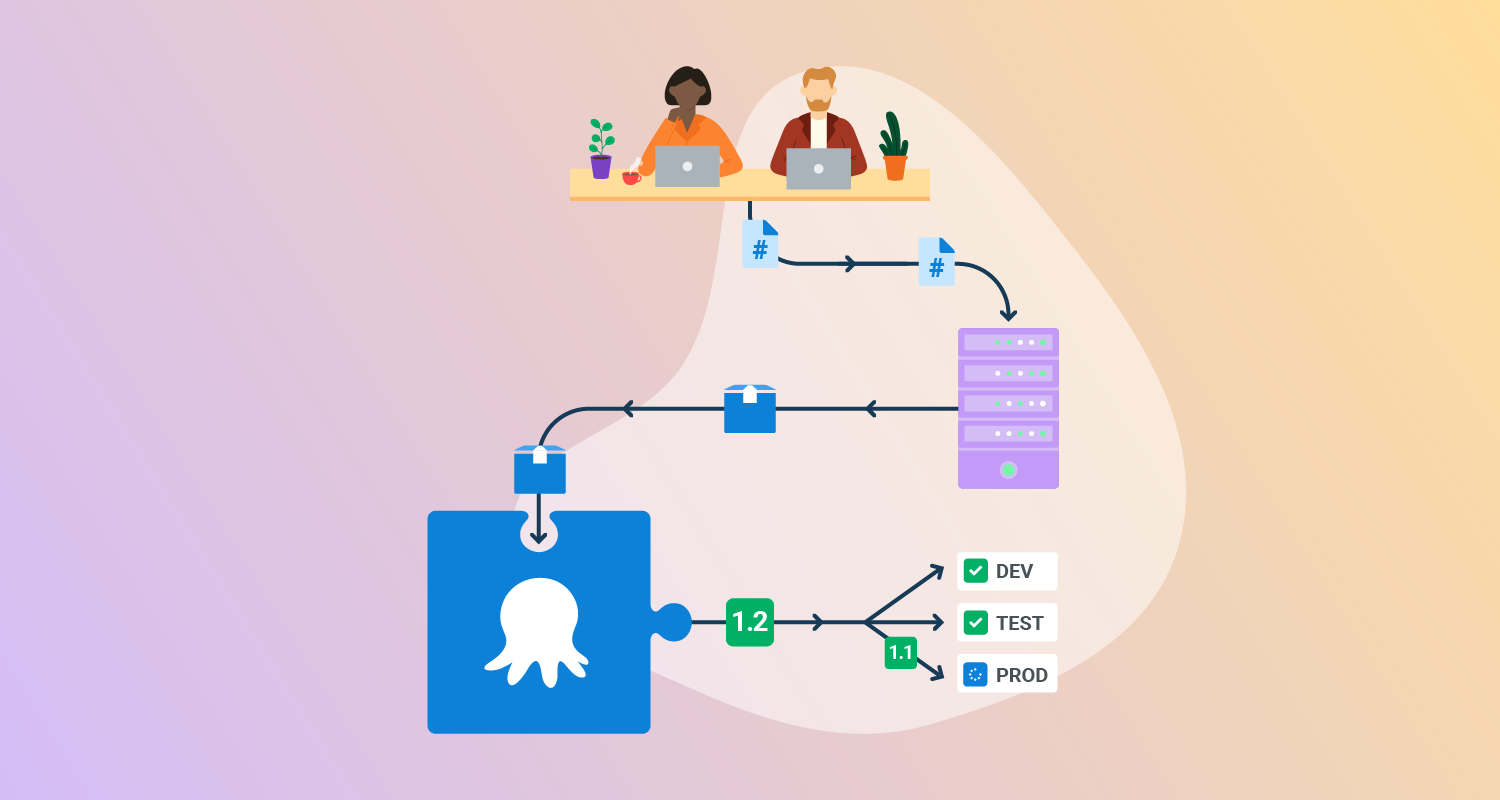
Continuous Integration and Continuous Delivery (CI/CD) have become important practices in modern software development. These approaches automate the process of building, testing, and deploying applications, reducing manual effort and accelerating release cycles.
AWS provides tools that support automated deployment workflows and enable development teams to deliver updates more efficiently. Automated pipelines help ensure consistency across environments and reduce the risk of deployment errors.
By implementing CI/CD practices, organizations can release new features more frequently while maintaining application stability and quality.
Blue-Green Deployment Strategy
Blue-green deployment is a strategy that minimizes downtime and deployment risks by maintaining two identical production environments. One environment runs the current version of the application, while the other hosts the updated version.
Once testing is completed successfully, traffic is redirected to the new environment. If issues arise, organizations can quickly switch back to the previous version without significant disruptions.
This deployment method improves reliability and provides greater confidence when releasing application updates.
Canary Deployment Approach
Canary deployment involves releasing new application versions to a small group of users before making them available to the entire user base. This approach helps organizations monitor performance, identify issues, and gather feedback before full deployment.
AWS deployment tools support canary releases by allowing gradual traffic shifts between application versions. This strategy reduces risks associated with large-scale deployments and enables teams to detect problems early.
Canary deployments are particularly useful for organizations seeking controlled and data-driven release processes.
Security Considerations During Deployment
Security remains a critical aspect of web application deployment. Organizations must protect applications, user data, and cloud resources from potential threats and vulnerabilities.
AWS offers various security features including identity management, encryption, network protection, and monitoring capabilities. Implementing secure deployment practices helps safeguard applications and maintain compliance with industry standards.
Regular security assessments, access control policies, and monitoring activities contribute to a more secure cloud environment and reduce operational risks.
Monitoring and Performance Optimization
Deployment is not the final stage of the application lifecycle. Continuous monitoring is necessary to maintain performance, identify issues, and optimize resource utilization.
AWS monitoring services provide visibility into application health, resource consumption, and operational metrics. Organizations can use these insights to detect anomalies, troubleshoot problems, and improve application performance.
Effective monitoring supports proactive management and helps ensure long-term reliability and user satisfaction.
Professionals pursuing cloud expertise through a Best Training Institute in Chennai often gain practical exposure to AWS deployment models, cloud architecture design, infrastructure automation, and application management techniques commonly used in modern development environments.
Cost Optimization Strategies
Managing cloud costs effectively is essential for maximizing the value of AWS deployments. Organizations can use monitoring and analytics tools to identify underutilized resources and optimize spending.
Scalable infrastructure, automated resource management, and efficient workload distribution help reduce unnecessary expenses. Cost optimization ensures that businesses receive the benefits of cloud computing while maintaining budget control.
Balancing performance requirements with cost considerations is a key aspect of successful cloud deployment planning.
The cloud computing, digital transformation, and technology management concepts associated with AWS deployment strategies are also increasingly relevant in a Business School in Chennai, where technology-driven business operations and cloud adoption are becoming important areas of study.
AWS deployment strategies provide organizations with powerful tools for building, managing, and scaling modern web applications. By leveraging scalable infrastructure, automated deployment workflows, load balancing, content delivery networks, and advanced security features, businesses can improve application reliability and performance while reducing operational complexity.
Whether using blue-green deployments, canary releases, or automated CI/CD pipelines, organizations can deploy updates more confidently and efficiently. As web applications continue evolving to meet growing user expectations, AWS deployment strategies will remain essential for supporting scalability, innovation, and long-term business success in an increasingly cloud-driven world.