TL;DR: Applying for a Romania study visa requires a university acceptance letter, valid passport, financial proof, health insurance, and a completed visa application. Processing typically takes 30–60 days. Fees and exact requirements vary by country, so always check with the Romanian embassy in your home country before applying.
Thinking about studying in Europe? Romania is quietly becoming one of the most accessible study destinations on the continent—offering quality education, affordable tuition, and a rich cultural experience. Whether you’re drawn by its EU-recognized degrees or its lower cost of living compared to Western Europe, Romania has a lot to offer international students.
But before you pack your bags, there’s one thing you need to sort out first: your study visa. The application process might seem complicated at first, but it’s straightforward once you understand what’s required. This guide walks you through everything—documents, costs, tips, and common mistakes to avoid.
Why Students Choose to Study in Italy and Other European Countries—and Why Romania Stands Out
Europe has long been a top destination for international students, and study in Italy, Germany, and France often steal the spotlight. Studying in Italy, for instance, attracts thousands of students every year thanks to its world-class universities and cultural prestige. But Romania offers something those destinations often can’t: affordability without sacrificing quality.
Romanian universities are recognized across the EU, which means your degree holds international value. Tuition fees range from €2,000 to €6,000 per year depending on the program and institution—significantly lower than most Western European alternatives. Cities like Bucharest, Cluj-Napoca, and Timișoara also offer a relatively low cost of living, making Romania a practical choice for budget-conscious students.
Understanding the Romania Study Visa: What Type Do You Need?
Romania issues a long-stay visa (Type D) for students planning to study for more than 90 days. This is the visa you’ll need for a full degree program or any extended course.
For short-term programs (under 90 days), a short-stay Schengen-equivalent visa may apply, though Romania is not yet a full Schengen member. Always verify the latest entry rules with the Romanian embassy in your country.
Key visa categories for students:
- Long-stay student visa (Type D/SD) – For degree programs, language courses, and internships exceeding 90 days
- Short-stay visa – For workshops, exchange visits, or summer programs under 90 days
Italy Study Visa Price in Pakistan and How Romania Compares for Pakistani Students
Many Pakistani students researching European study visas often look up the Italy study visa price in Pakistan as a benchmark. Italy’s student visa application fee is typically around €50 (approximately PKR 15,000–17,000). Romania’s student visa fee falls in a similar range—generally between €35 and €60, depending on the applicant’s nationality and bilateral agreements between Romania and the home country.
For Pakistani students specifically, the Romanian embassy in Islamabad processes student visa applications. The fee is subject to change, so confirm the current amount directly with the embassy or its official consulate portal before submitting your application.
Documents Required for a Romania Student Visa
Gathering the right documents is the most critical step in the process. Missing even one item can delay or disqualify your application.
Here’s what you’ll typically need:
- Valid passport – Must be valid for at least 6 months beyond your intended stay
- University acceptance letter – Issued by an accredited Romanian institution
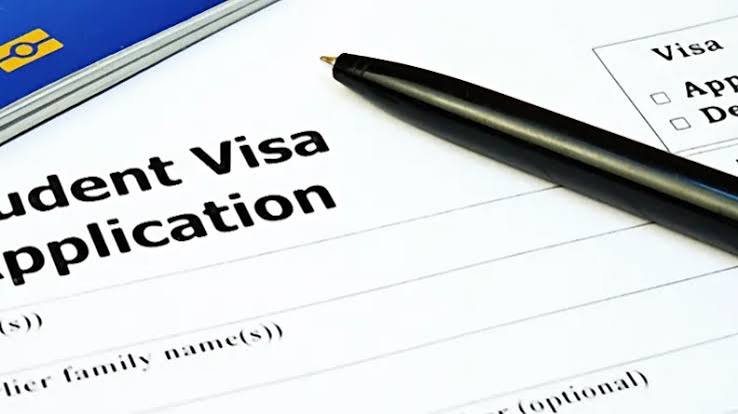
- Completed visa application form – Available from the Romanian embassy or consulate
- Proof of financial means – Bank statements showing sufficient funds (typically €150–€200 per month of stay)
- Health insurance – Valid for the full duration of your stay in Romania
- Proof of accommodation – Dormitory confirmation, lease agreement, or host declaration
- Academic certificates – Transcripts, diplomas, or equivalency documents
- Recent passport-sized photos – Usually 2–3, following specific format requirements
- Visa fee payment receipt
Some embassies may also request a no-objection certificate (NOC) or a police clearance certificate, especially for applicants from South Asia or the Middle East.
Step-by-Step: How to Apply for a Romania Study Visa
Step 1: Get accepted into a Romanian university
Before anything else, secure your admission letter. Romania has several universities that accept international students, including the University of Bucharest, Babeș-Bolyai University, and “Gr. T. Popa” University of Medicine and Pharmacy.
Step 2: Gather your documents
Use the checklist above and organize your documents carefully. Make both originals and certified copies of key documents.
Step 3: Book your visa appointment
Contact the Romanian embassy or consulate in your home country to schedule an appointment. In countries like Pakistan, India, or Nigeria, slots can fill up quickly—book early.
Step 4: Submit your application and pay the fee
Attend your appointment in person, submit your documents, and pay the visa fee. Biometric data (fingerprints and photo) may be collected at this stage.
Step 5: Wait for processing
Romania student visa processing generally takes 30 to 60 days. In some cases, it can take longer during peak application periods (June–August).
Step 6: Collect your visa and travel
Once approved, collect your visa from the embassy. Double-check all details—your name, validity dates, and entry type—before traveling.
Helpful Tips for a Smooth Visa Application
Getting your visa approved is largely about preparation. Here are a few practical tips:
- Apply at least 3 months in advance. Processing delays are common, especially during peak seasons.
- Translate all documents. Any document not in English or Romanian must be officially translated. Use a certified translator.
- Don’t underestimate financial proof. Romanian immigration authorities take financial sufficiency seriously. Ensure your bank statements reflect consistent funds—not just a recent lump sum deposit.
- Keep digital copies of everything. Email yourself scanned copies of all submitted documents before your appointment.
- Follow up politely. If you haven’t heard back within the stated processing window, contact the embassy to check your application status.
What Happens After You Arrive in Romania?
Your Type D visa allows you to enter Romania, but it’s not a permanent residence permit. Within 30 days of arrival, you must register with the Romanian Immigration Inspectorate (Inspectoratul General pentru Imigrări) to receive your temporary residence permit for study purposes.
Bring your passport, visa, acceptance letter, proof of accommodation, and financial documents to this appointment. Your permit will typically be issued for the duration of your academic year and renewed annually.
Frequently Asked Questions
Can I work while studying in Romania on a student visa?
Yes, international students in Romania are generally allowed to work part-time—up to 4 hours per day or 20 hours per week—during the academic year. You may need a separate work permit depending on your nationality. Confirm this with your university’s international student office.
How long does it take to get a Romania student visa?
Romania student visa processing typically takes between 30 and 60 days. Apply well in advance of your intended start date to avoid delays.
Is health insurance mandatory for a Romania student visa?
Yes. Health insurance valid for the full duration of your stay is a required document. Many Romanian universities offer student health insurance plans, or you can purchase international coverage privately.
Can I extend my Romania student visa?
You don’t extend the visa itself—you apply for a renewal of your temporary residence permit through the Romanian Immigration Inspectorate while already in the country.
What is the Romania student visa fee?
The visa application fee is generally between €35 and €60, depending on your nationality. Check with the Romanian embassy in your home country for the exact current fee.
Do I need to speak Romanian to study there?
Not necessarily. Many Romanian universities offer programs taught entirely in English, especially in medicine, engineering, and business. However, learning basic Romanian will significantly help with daily life.
Final Words
Applying for a Romania student visa is a manageable process when you know what to expect. The key is starting early, organizing your documents carefully, and staying in close contact with your host university and local embassy.
Romania offers a genuine opportunity for international students—quality EU-recognized education at a fraction of the cost of other European destinations. With the right preparation, your study journey can begin without unnecessary stress or setbacks.
Start by reaching out to your chosen Romanian university for an admission letter, then work through the steps outlined above. The sooner you begin, the smoother the process will be.