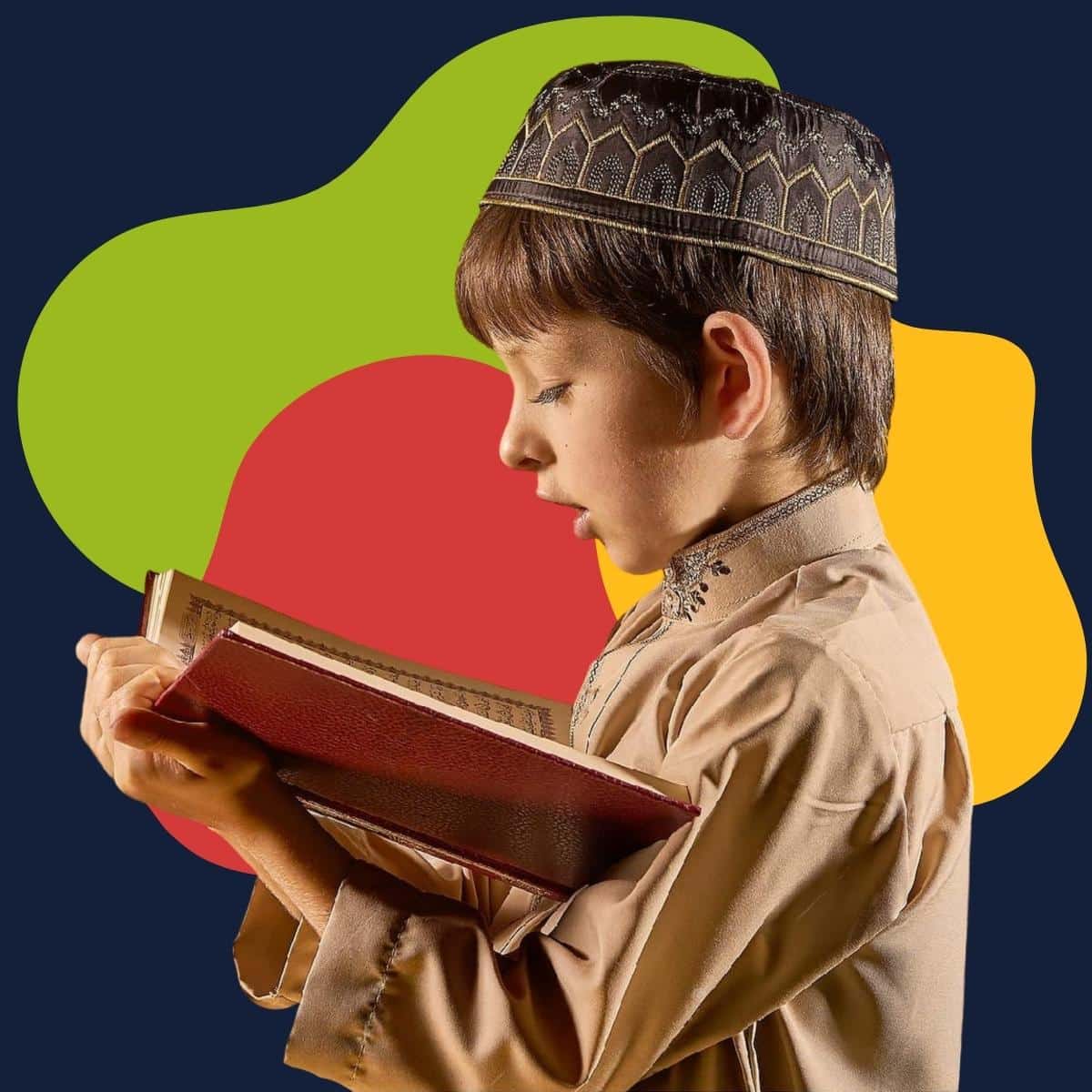
So you’ve typed “Quran classes near me” into Google at 11 p.m., haven’t you? Maybe you’re a parent who wants your child to recite Surah Al-Fatiha correctly. Maybe you’re an adult who never got the chance to learn Tajweed properly and now feels that itch to finally do it right. Either way, we get it — and we’re going to walk you through everything: what these classes actually cost, where you can find them (physically and online), how accessible they really are, and how to pick one that won’t waste your time or your money.Think of this article as a friendly, no-nonsense map. We won’t drown you in jargon. We’ll just tell you what we’d tell a friend.
Why “Quran Classes Near Me” Is Still One of the Most Searched Phrases
Here’s an interesting thing — even with online learning booming, people still search “near me.” Why? Because there’s something comforting about a physical place, a real teacher you can shake hands with, a community you can belong to. It’s like preferring a local bakery over ordering bread online — the product might be similar, but the experience isn’t.That said, “near me” doesn’t always mean “best for me.” A class ten minutes from your house might have a rigid schedule or lack a teacher trained in Tajweed rules. This is exactly why we need to look past the map pin and evaluate quality, cost, and accessibility together.
The Shift From Local-Only to Hybrid Learning
A decade ago, learn Quran meant walking to your local mosque after Maghrib prayer. Today, it means choosing between:
- A local mosque or Islamic center class
- A private tutor who visits your home
- A fully online academy with live video sessions
- A hybrid model — some weeks in person, some online
This shift isn’t just convenience; it’s a genuine expansion of who gets to learn. A single mother in a small town with no nearby Islamic center can now have her child learn from a certified teacher in Cairo or Medina. That’s a big deal.
How Much Do Quran Classes Actually Cost?
Let’s talk money, because nobody likes vague answers here.
Free and Low-Cost Options
- Mosque-based classes: Many mosques offer free or donation-based Quran classes for children and adults, especially on weekends.
- Community Islamic centers: Often subsidized, costing $10–$25 per month.
- YouTube and free apps: Zero cost, but no personalized feedback — good for revision, not for building solid foundations.
Paid Online Academies
- Group classes: Usually $20–$50 per month, shared with 3–6 students.
- One-on-one sessions: Typically $50–$120 per month for 2–4 sessions weekly.
- Premium/certified tutors (Ijazah holders, native Arabic speakers): $100–$200+ per month.
- Intensive Hifz (memorization) programs: Can range from $150–$300 monthly due to daily class frequency.
One-Time or Package Costs
Some academies offer discounted quarterly or annual packages — paying upfront can save you 10–20% compared to month-to-month billing. It’s worth asking directly, since this isn’t always advertised on the homepage.
Quick tip: Always ask if the trial class is genuinely free with no card required. Reputable academies almost always offer this.
Where Can You Find Quran Classes? Mapping the Areas
Local Neighborhood Options
Nearly every city or town with a Muslim community has at least one of the following:
- Mosques offering after-school or weekend Quran classes
- Islamic community centers with dedicated teaching staff
- Private tutors who advertise through community WhatsApp groups or bulletin boards
- Full-time Islamic schools (madrasahs) with structured Quran curricula
Online Coverage — Practically Global
This is where things get exciting. Online Quran academies now serve students across:
- North America (USA, Canada)
- United Kingdom and Europe
- Australia and New Zealand
- Middle East and Gulf countries
- South Asia (Pakistan, India, Bangladesh)
- Southeast Asia (Malaysia, Indonesia)
- Africa (Nigeria, South Africa, and more)
Basically, if you have internet and a device with a camera, you have access. Time zones are handled by scheduling — most academies operate teachers across shifts to cover practically every hour of the day.
Rural and Underserved Areas
For students in areas without a nearby mosque or Islamic center, online classes have honestly been a lifeline. We’ve seen families in small towns finally get consistent, quality Quran education simply because a good internet connection replaced the need for a physical building.
Accessibility: Who Can Actually Take These Classes?
Age Range
- Kids (4–12 years): Interactive, game-based Noorani Qaida and basic reading classes.
- Teens (13–19 years): Tajweed-focused and memorization tracks.
- Adults (20+): Beginner Arabic reading, Tajweed correction, and even Tafseer (interpretation) classes.
- Seniors: Slower-paced, patient instruction — many academies specifically train teachers for this.
Scheduling Flexibility
Most reputable providers offer:
- Early morning slots (before work/school)
- Evening and night classes (post-Isha)
- Weekend-only packages for busy professionals
- Makeup classes for missed sessions
Language and Learning Style
Instruction is commonly available in English, Urdu, Arabic, and increasingly in French, Spanish, and Bahasa Indonesia — useful if a student or parent isn’t fully comfortable in English.
Special Accessibility Considerations
- Students with learning difficulties: Some academies now train teachers specifically in patience-based methods for students with dyslexia or attention difficulties.
- Non-Arabic speakers: Romanized transliteration support is common for beginners.
- New Muslims (Reverts): Many programs offer dedicated beginner tracks that start from the Arabic alphabet, with zero assumed prior knowledge.
What Should You Actually Look For in a Quran Class?
Choosing a class is a bit like choosing a gym — the flashiest one isn’t always the one that gets you results. Ask yourself these questions:
- Is the teacher qualified? Look for Ijazah certification or verifiable teaching experience.
- Is there a trial class? If not, that’s a red flag.
- How’s the communication? Do they respond promptly to questions before you even enroll?
- What’s the makeup-class policy? Life happens — a rigid “no makeup” policy is inconvenient.
- Is progress tracked? Good academies give periodic reports on Tajweed accuracy, memorization pace, etc.
Red Flags to Watch Out For
- No clear pricing (forces you to “contact for a quote” with vague answers)
- No verifiable teacher credentials
- Overly aggressive sales tactics
- No sample class recordings or reviews
In-Person vs Online: Which Is Actually Better?
Honestly? It depends on you, not on some universal ranking.
In-person classes are great if:
- You value face-to-face correction of mouth and tongue positioning for Tajweed
- Your child benefits from peer group learning
- You want to build community ties at a local mosque
Online classes are great if:
- Your schedule is unpredictable
- There’s no quality local option nearby
- You want to choose from hundreds of teachers instead of the two available in your area
Think of it like choosing between a local gym and a personal trainer who comes to your living room via video call — both build the same muscle, just differently.
How Long Does It Take to Learn Quran Properly?
There’s no single answer, but here’s a rough, honest guideline:
- Basic Arabic alphabet and reading (Noorani Qaida): 2–4 months
- Fluent Quran reading with Tajweed rules: 8–14 months
- Hifz (full memorization): 2–5 years, depending on class frequency and student age
- Ijazah (certification to teach): Several years beyond basic memorization
Patience really is the name of the game here. Rushing rarely produces solid Tajweed — it’s a bit like trying to sprint before you’ve learned to walk steadily.
Conclusion
Finding the right Quran class isn’t about picking the first result that pops up when you search “Quran classes near me.” It’s about weighing price against quality, checking whether a local option genuinely fits your schedule, and recognizing that online academies have quietly removed the “location” barrier that used to limit so many families. Whether you go with a mosque down the street or a certified tutor thousands of miles away on a video call, what matters most is consistency, a patient teacher, and a learning pace that respects where you’re starting from. Take the free trial class. Ask the awkward questions about pricing upfront. And remember — every hafiz, every scholar, every confident reciter started exactly where you are now: at the beginning.