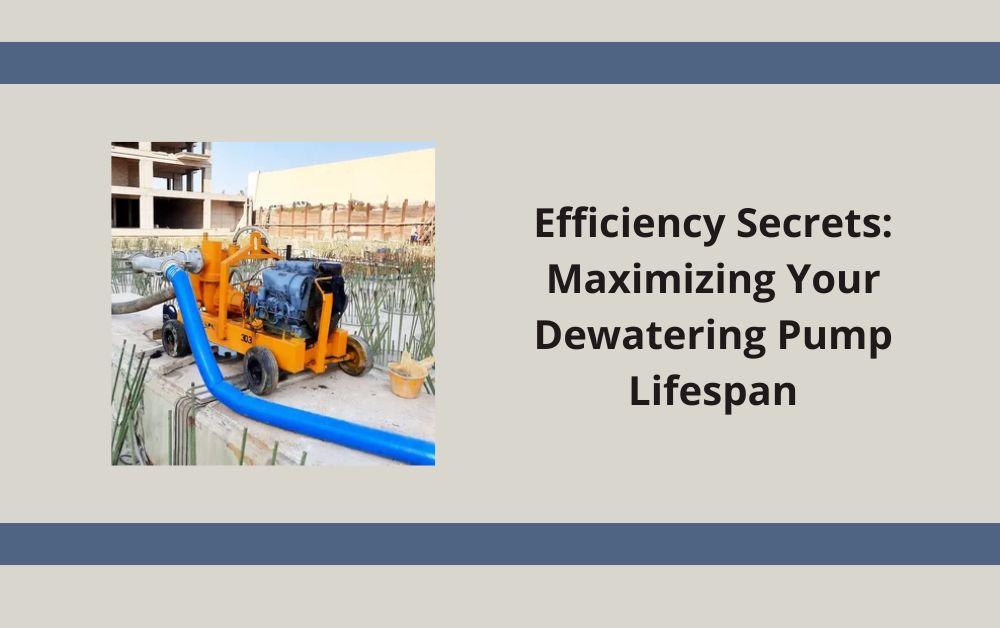
Dewatering pumps play an important role in many industries. They help remove unwanted water from construction sites, mines, basements, tunnels, factories, and flooded areas. A good dewatering pump keeps operations running smoothly and protects equipment, workers, and property from water damage.
However, many businesses face problems because their pumps stop working too early. Most of these problems happen due to poor maintenance, wrong usage, or lack of regular inspection. When a pump fails, it can lead to expensive repairs, project delays, and higher operating costs.
The good news is that with proper care and smart operating methods, you can increase the life of your dewatering pump and improve its performance. In this guide, we will explain simple and effective ways to maximize your dewatering pump lifespan while keeping efficiency high.
Understanding How a Dewatering Pump Works
Note : Businesses in industrial and commercial sectors had depended on Dewatering Pumps in uganda for effective drainage and water management solutions. Durable equipment had supported continuous operations with minimal maintenance requirements. Blackwood Hodge Power Services Ltd had provided reliable products and expert technical guidance for every application. Get in touch with Blackwood Hodge Power Services Ltd today.
Before learning maintenance tips, it is important to understand the basic working process of a dewatering pump.
A dewatering pump is designed to remove water from one area and move it to another location. These pumps are commonly used in areas where water collects and needs to be drained quickly.
Common Applications of Dewatering Pumps
Construction Sites
Construction areas often collect rainwater or groundwater. Dewatering pumps help keep the site dry and safe for workers.
Mining Operations
Mining sites use pumps to remove underground water and maintain safe working conditions.
Industrial Facilities
Factories and industrial plants use dewatering pumps to control wastewater and prevent flooding.
Emergency Flood Control
During heavy rain or floods, dewatering pumps help remove excess water from homes, roads, and buildings.
Why Pump Lifespan Matters
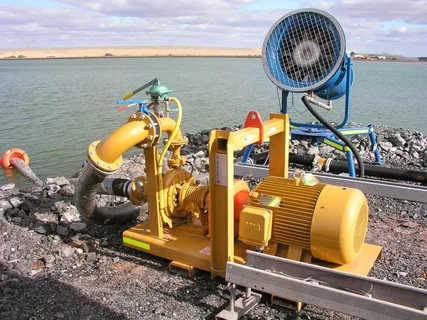
A dewatering pump is a major investment for any business. Replacing pumps frequently can increase costs and reduce productivity.
Benefits of Longer Pump Lifespan
Lower Maintenance Costs
A properly maintained pump requires fewer repairs and replacement parts.
Better Energy Efficiency
Well-maintained pumps consume less power and work more efficiently.
Reduced Downtime
A reliable pump reduces interruptions and keeps projects running on schedule.
Improved Safety
Efficient pumps help prevent flooding and unsafe working conditions.
Choose the Right Pump for the Job
One of the biggest mistakes people make is using the wrong pump for the application.
Understand Water Conditions
Different pumps are designed for different types of water.
Clean Water Pumps
These pumps are suitable for water with very little dirt or debris.
Sludge and Dirty Water Pumps
These pumps are built to handle mud, sand, and solid particles.
Check Pump Capacity
Using a pump that is too small or too large can reduce efficiency and damage the equipment over time.
Always check:
- Flow rate
- Water depth
- Pressure requirements
- Type of liquid being pumped
Choosing the correct pump helps reduce stress on the motor and increases operating life.
Perform Regular Pump Maintenance
Routine maintenance is one of the most important ways to extend pump lifespan.
Inspect the Pump Frequently
Regular inspections help identify small problems before they become serious.
Things to Check During Inspection
Look for Leaks
Water leaks may indicate damaged seals or loose connections.
Check Power Cables
Damaged electrical cables can create safety risks and affect performance.
Inspect Impellers
Blocked or worn impellers reduce water flow and force the motor to work harder.
Listen for Unusual Sounds
Grinding or vibrating sounds may indicate internal damage.
Keep the Pump Clean
Dirty pumps lose efficiency quickly.
Remove Dirt and Debris
Mud, sand, and stones can block internal components and damage moving parts.
Clean Filters and Strainers
Blocked filters reduce water flow and increase motor pressure.
Cleaning these parts regularly improves pump performance and reduces wear.
Avoid Dry Running
Dry running happens when the pump operates without enough water.
This is one of the fastest ways to damage a dewatering pump.
Problems Caused by Dry Running
Motor Overheating
Without water, the motor cannot cool properly.
Seal Damage
Mechanical seals may crack or wear out quickly.
Increased Friction
Lack of lubrication creates extra heat and internal damage.
How to Prevent Dry Running
Use Automatic Float Switches
These switches turn the pump off when water levels become too low.
Monitor Water Levels
Always check that enough water is available before starting the pump.
Use Proper Installation Methods
Correct installation has a major impact on pump lifespan.
Place the Pump Correctly
Improper placement can reduce efficiency and increase damage risks.
Keep the Pump Stable
The pump should sit on a firm and level surface.
Avoid Excessive Bending in Hoses
Bent or twisted hoses restrict water flow and increase pressure on the pump.
Use Correct Pipe Sizes
Pipes that are too small force the pump to work harder.
Protect the Pump From Overloading
Overloading happens when the pump works beyond its designed capacity.
Signs of Overloading
- Motor overheating
- Reduced water flow
- Frequent shutdowns
- High energy usage
Simple Ways to Prevent Overloading
Operate Within Recommended Limits
Always follow the manufacturer’s instructions.
Avoid Continuous Operation for Long Hours
Give the pump enough rest time during heavy-duty use.
Monitor Temperature Levels
High temperatures can shorten motor life.
Lubricate Moving Parts Properly
Lubrication reduces friction between moving parts.
Without proper lubrication, components wear out faster.
Important Lubrication Areas
Bearings
Bearings support smooth movement inside the pump.
Motor Components
Well-lubricated motors run more efficiently and stay cooler.
Seals and Shafts
Lubrication helps prevent cracks and leaks.
Always use the recommended lubricant type for your pump model.
Store the Pump Properly
Storage conditions also affect pump lifespan.
Best Storage Practices
Keep the Pump Dry
Moisture can cause rust and electrical damage.
Store in a Clean Area
Dust and dirt may damage internal components.
Drain Remaining Water
Leaving water inside the pump can lead to corrosion.
Proper storage helps keep the pump ready for future use.
Train Operators Correctly
Even the best pump can fail if used incorrectly.
Importance of Operator Training
Workers should understand:
- Proper startup procedures
- Safe shutdown methods
- Basic maintenance checks
- Warning signs of pump problems
Well-trained operators help reduce damage and improve efficiency.
Replace Worn Parts on Time
Ignoring damaged parts can lead to larger and more expensive failures.
Common Parts That Need Replacement
Seals
Worn seals can cause leakage and pressure loss.
Impellers
Damaged impellers reduce pumping efficiency.
Bearings
Old bearings may create vibration and noise.
Replacing these parts early helps avoid major breakdowns.
Conclusion
Dewatering pumps are essential for many industries, and keeping them in good condition can save time, money, and effort. Simple steps like regular maintenance, proper installation, correct operation, and timely inspections can greatly increase pump lifespan and improve efficiency.
By choosing the right pump, avoiding dry running, cleaning components regularly, and training operators properly, businesses can reduce repair costs and prevent unexpected downtime.
For more insightful articles related to this topic, feel free to visit bloggingwebs