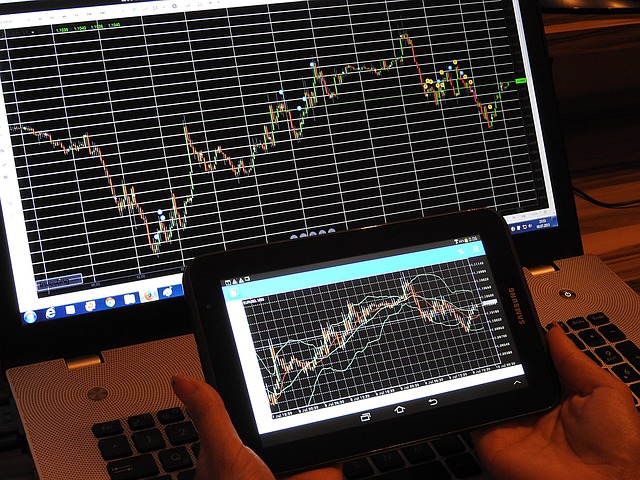
A prop firm consistency calculator helps traders evaluate the balance of their trading activity over a selected period. Consistent performance is one of the strongest indicators of disciplined trading, making it easier to understand how profits are distributed across multiple trading sessions. Instead of focusing on short-term gains, traders can review their overall progress and identify opportunities to strengthen their trading approach through steady execution and controlled risk management.
The Importance of Consistent Trading
Consistency plays a major role in professional trading. A structured trading routine creates a solid foundation for long-term growth and encourages disciplined decision-making. Traders who maintain stable performance often rely on a well-defined strategy instead of emotional reactions or impulsive market entries.
Balanced trading activity also reflects patience and confidence. Every trade follows a planned process, helping traders stay aligned with their objectives while reducing unnecessary exposure to market fluctuations. Over time, this disciplined approach supports better performance analysis and continuous improvement.
Understanding Performance Stability
Performance stability refers to maintaining a smooth trading journey across multiple sessions. It is not based on one outstanding result but on the ability to produce reliable outcomes over time. Stable trading demonstrates that a trader follows consistent rules, manages risk carefully, and remains committed to a proven strategy.
Monitoring trading activity regularly makes it easier to identify patterns. Reviewing completed trades highlights strengths, uncovers repeated mistakes, and creates opportunities for gradual improvement. Small adjustments made consistently often have a greater impact than major changes introduced without proper analysis.
Why Performance Tracking Matters
Tracking trading performance provides valuable insights that help traders make informed decisions. Instead of relying on assumptions, performance data reveals how trading habits influence overall results.
Some important advantages include:
- Improved trading discipline.
- Better awareness of trading patterns.
- Clear visibility of account progress.
- Stronger confidence in trading decisions.
- Easier identification of recurring mistakes.
- Greater focus on long-term objectives.
Regular reviews encourage traders to maintain accountability while developing habits that support sustainable growth.
Building a Disciplined Trading Routine
Successful traders often follow routines that remain consistent regardless of market conditions. A structured routine reduces emotional decision-making and creates a repeatable trading process.
A productive routine may include:
- Reviewing market conditions before trading.
- Planning entry and exit levels.
- Defining acceptable risk before opening positions.
- Recording completed trades.
- Evaluating daily performance.
- Preparing for the next trading session.
Following the same routine each day helps create confidence and improves execution quality.
Risk Management Supports Consistency
Risk management remains one of the most important aspects of trading. Protecting trading capital allows traders to remain active even after periods of challenging market conditions. Consistent position sizing, planned stop-loss placement, and controlled exposure contribute to smoother account performance.
Managing risk also reduces emotional pressure. When every trade follows predefined limits, traders can focus on executing their strategy instead of reacting to temporary market movements.
A disciplined approach to risk creates stability and supports continuous progress over time.
Common Habits That Affect Trading Performance
Many trading challenges develop from repeated habits rather than market conditions. Recognizing these behaviors helps traders make meaningful improvements.
Some habits that reduce consistency include:
- Entering trades without proper planning.
- Ignoring predefined trading rules.
- Increasing position size after successful trades.
- Allowing emotions to influence decisions.
- Trading too frequently without quality opportunities.
- Avoiding regular performance reviews.
Replacing these habits with disciplined routines strengthens trading performance and improves long-term confidence.
Performance Metrics Worth Reviewing
Performance analysis becomes more valuable when traders monitor important trading metrics. These measurements offer a clearer understanding of trading efficiency and decision quality.
Useful metrics include:
Win Rate
Shows the percentage of profitable trades compared with total completed trades.
Average Trade Result
Measures the typical outcome generated from completed positions over time.
Drawdown
Reflects the largest decline experienced during a trading period and highlights the importance of capital preservation.
Risk-to-Reward Ratio
Evaluates the relationship between planned risk and expected return before entering a trade.
Trading Frequency
Shows how often trades are executed and helps identify unnecessary market activity.
Reviewing these metrics regularly creates a more complete picture of trading performance.
Continuous Improvement Through Analysis
Trading success is built through continuous learning. Every completed trade offers valuable information that can improve future decisions. Maintaining detailed trading records allows traders to evaluate strategy effectiveness and refine execution over time.
Performance reviews encourage objective analysis instead of emotional judgment. Traders can identify strengths that deserve greater attention while correcting habits that reduce efficiency. This ongoing learning process supports gradual progress without unnecessary changes to proven strategies.
Consistency also develops through patience. Lasting improvement comes from repeating effective habits, maintaining discipline, and staying committed to long-term goals.
Final Thoughts
Professional trading depends on preparation, discipline, and continuous evaluation. A prop firm consistency calculator helps traders understand their trading patterns, monitor performance stability, and strengthen decision-making through meaningful analysis. Combined with structured planning, effective risk management, and regular performance reviews, this practical tool supports steady trading development and encourages sustainable growth throughout every stage of the trading journey.