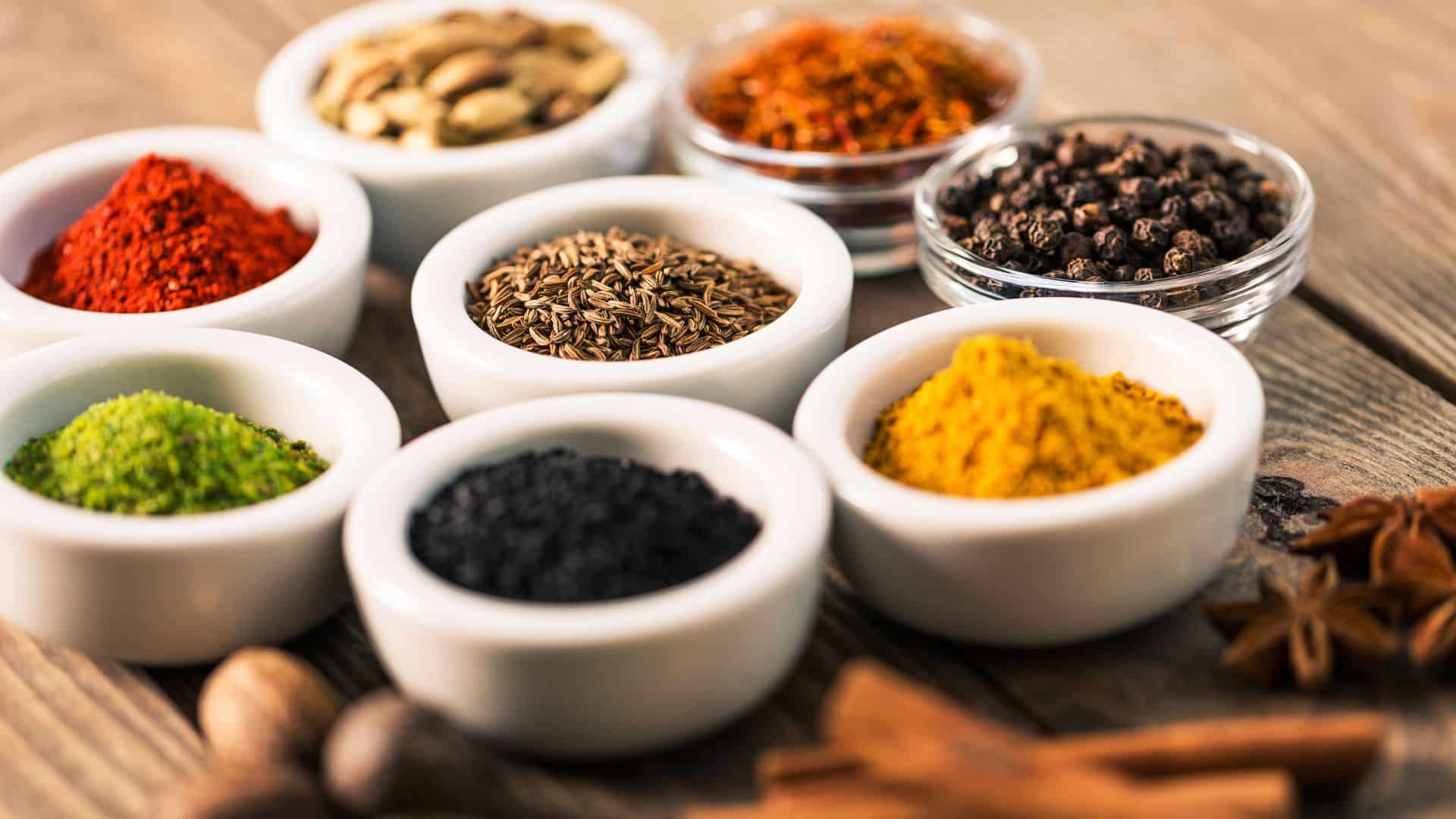
Spices have always been at the heart of cooking, especially in Indian cuisine, where flavors are bold, aromatic, and transformative. Learning how to pair strong spices with everyday meals can turn simple dishes into something extraordinary. Whether you are a seasoned cook or a beginner, understanding these tips will help you make the most of your spices without overpowering your meals.
1. Start with Balanced Combinations
The key to successfully using strong spices in your meals is balance. Spices like cumin, coriander, turmeric, and chili powder have distinct flavors that can dominate a dish if used in excess. A good approach is to start with smaller quantities and taste as you go. For instance, adding a pinch of garam masala at the end of cooking can enhance a curry without making it too intense.
Pair strong spices with neutral or mild ingredients. Vegetables like potatoes, carrots, and beans absorb spices well, allowing the flavors to shine without overwhelming the palate. Even a simple stir-fry can become flavorful with careful spice management.
2. Complement Meals with Pickles
Pickles are an excellent way to enhance meals with concentrated flavors. They bring tanginess, heat, and umami that can complement the spices in your cooking. For example, adding a small portion of mixed vegetable pickle alongside your main dish can provide a burst of flavor that balances strong spices in curries, rice, or lentil dishes.
Pickles are particularly effective when paired with dishes that have a rich, creamy base or when you want to cut through the heaviness of fried or oily preparations. They serve as a contrast and can make each bite more interesting and satisfying.
3. Match Spices with Protein
When cooking proteins such as chicken, fish, paneer, or tofu, consider the spice intensity and flavor profile. Hearty meats like chicken or lamb can handle bolder spices such as black pepper, clove, and cardamom. Lighter proteins like fish or tofu benefit from milder spices like fennel, coriander, and turmeric.
Marinating proteins in spice blends before cooking allows the flavors to penetrate and enhances the overall dish. For instance, a yogurt-based marinade with garlic, ginger, and chili not only tenderizes the meat but also infuses it with a deep, layered flavor.
4. Experiment with Spiced Rice and Grains
Rice and grains act as a neutral base that can carry strong spices effectively. Consider making jeera rice, masala quinoa, or spiced lentils (dal) to complement your main dishes. Whole spices such as cloves, cardamom, and bay leaves added to cooking water release their aroma, making the grains fragrant and flavorful.
Spiced grains are especially effective when served with rich curries or stir-fried vegetables. They create a harmonious balance, ensuring that neither the spices nor the main dish overwhelms the other.
5. Add Fresh Accompaniments
Fresh ingredients like herbs, citrus, or yogurt can tame strong spices while maintaining their flavor. Chopped coriander, mint, or a squeeze of lime can brighten a spicy dish, making it more approachable. Similarly, a dollop of plain yogurt on top of a curry adds creaminess and reduces the perceived heat without diluting the spice profile.
Pickles also work as fresh accompaniments. A tangy touch of green mango pickle can provide a sharp contrast to spiced meals, especially with rice or bread. These small additions can elevate the flavor experience, creating depth and variety in every bite.
6. Consider Cooking Techniques
How you cook spices affects their potency. Dry roasting, tempering, or blooming spices in oil can mellow their raw intensity and bring out nuanced flavors. For instance, tempering mustard seeds, cumin, or fennel in hot oil before adding vegetables or lentils releases essential oils, creating a rich aroma and taste.
Conversely, adding powdered spices directly at the end of cooking can preserve their sharpness. Knowing when to use each technique helps you control the balance and ensures that strong spices enhance rather than overpower your meal.
7. Keep It Simple and Layer Flavors
Layering flavors is key to using strong spices effectively. Start with mild seasoning, then gradually add spices at different stages of cooking. This method allows the dish to develop complexity without overwhelming the palate. For instance, a curry might begin with sautéed onions, garlic, and ginger, followed by ground spices during cooking, and finished with a sprinkle of fresh herbs.
By layering, you maintain harmony in the dish while letting the spices shine. It also prevents any single spice from dominating the overall flavor, making meals more enjoyable and balanced.
Final Thoughts
Pairing strong spices with everyday meals requires a mix of creativity, knowledge, and experimentation. By balancing spice intensity, complementing meals with pickles, pairing spices with appropriate proteins, using aromatic grains, adding fresh accompaniments, and applying proper cooking techniques, you can transform routine dishes into memorable culinary experiences.
Spices are more than just seasoning—they are the soul of a dish. With practice, you can confidently incorporate bold flavors into your cooking, offering meals that are both authentic and satisfying. Small additions like pickles or a touch of fresh herbs can make a significant difference, turning everyday meals into something special and deeply flavorful.