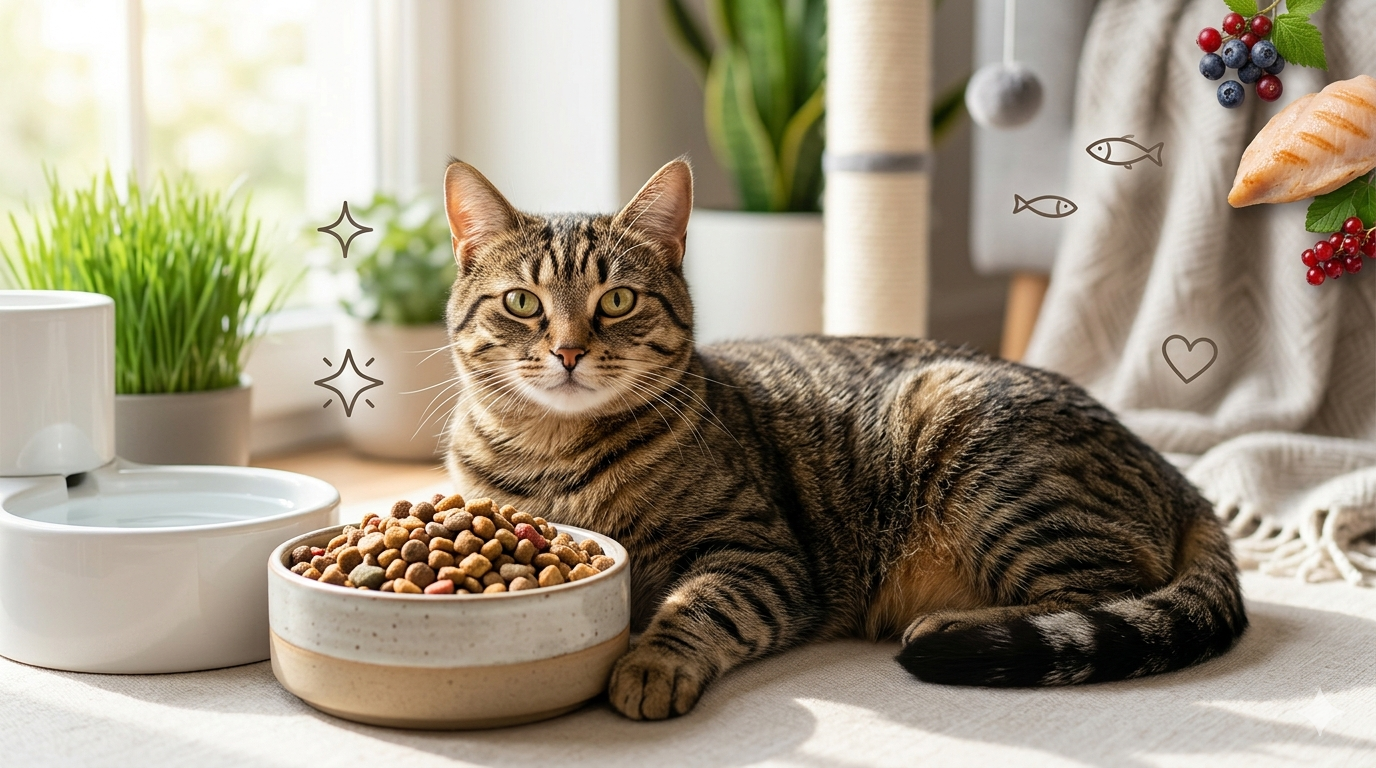
Cats are beloved companions, offering affection, entertainment, and a calming presence in our homes. Ensuring their well-being starts with the right nutrition, as a cat’s diet directly affects their health, energy, and longevity. Among the many choices available, selecting the healthiest dry cat food plays a crucial role in maintaining optimal feline health. In this post, we explore why dry food can be beneficial, address common concerns such as “is dry food bad for cats?”, and highlight how choosing high-quality dry food supports your cat’s overall well-being.
Understanding the Role of Dry Cat Food
Dry cat food, also known as kibble, is one of the most convenient and widely used options for cat owners. Its primary advantages include longer shelf life, ease of storage, and simplicity in feeding schedules. However, the quality of ingredients and nutritional balance are key factors that determine whether a dry food product truly supports your cat’s health. Choosing the healthiest dry cat food ensures that your feline companion receives essential proteins, vitamins, minerals, and fiber needed for growth, energy, and disease prevention.
While some pet owners question whether dry food is harmful, it’s important to note that not all dry foods are created equal. Poor-quality kibble with excessive fillers or artificial additives can indeed have negative effects on your cat’s health. On the other hand, premium dry foods formulated with high-quality animal proteins, natural ingredients, and balanced nutrients can contribute significantly to a cat’s well-being.
Key Benefits of the Healthiest Dry Cat Food
1. Supports Healthy Weight and Metabolism
A carefully formulated dry cat food contains the right ratio of proteins, fats, and carbohydrates to help maintain a healthy weight. Cats are obligate carnivores, which means their diet should be rich in protein. High-quality dry foods often list real animal protein, such as chicken, turkey, or fish, as the primary ingredient. Protein supports lean muscle mass and provides energy for daily activities, preventing obesity and associated health issues.
2. Promotes Dental Health
One of the unique advantages of dry food is its texture, which can assist in cleaning your cat’s teeth. The kibble’s crunch helps reduce plaque and tartar buildup as cats chew. While dry food is not a replacement for regular dental care, choosing the healthiest dry cat food with dental-friendly formulations can support oral hygiene and prevent gum disease.
3. Enhances Digestive Health
Cats require a diet that supports efficient digestion and nutrient absorption. High-quality dry foods include natural fibers and prebiotics that promote gut health, prevent constipation, and support regular bowel movements. Additionally, premium dry foods avoid artificial additives and preservatives that may irritate the digestive system.
4. Strengthens the Immune System
Nutrition is closely linked to immunity. Essential vitamins, minerals, and antioxidants found in the healthiest dry cat food can enhance your cat’s immune system. Ingredients like taurine, omega-3 and omega-6 fatty acids, and vitamin E help maintain heart health, vision, skin, and coat, while also protecting against oxidative stress and age-related conditions.
5. Supports Hydration Strategically
Although dry food contains lower moisture compared to wet food, many high-quality kibbles are formulated with ingredients that encourage adequate water intake or balance nutrient concentration. Cats are naturally prone to low water consumption, so pairing dry food with fresh water is recommended to prevent urinary tract issues.
6. Convenient and Long-Lasting
Beyond health benefits, dry cat food is convenient for busy pet owners. It is easy to measure, store, and feed without refrigeration. The long shelf life also reduces waste and ensures your cat consistently receives balanced nutrition, especially when feeding multiple cats or maintaining a feeding routine.
Addressing Common Concerns: Is Dry Food Bad for Cats?
Many pet owners worry about feeding dry food exclusively, asking, “is dry food bad for cats?” The answer depends on the quality and formulation of the food. Inexpensive or poorly balanced dry foods can contribute to obesity, kidney strain, or nutrient deficiencies due to low protein content or high carbohydrate fillers. However, the healthiest dry cat foods are carefully crafted to meet feline nutritional needs and should be considered a safe and effective option when fed correctly.
Cats benefit from variety, so some owners combine dry food with wet food or fresh options to improve hydration and taste experience. Importantly, always provide access to clean water and follow feeding guidelines based on your cat’s age, weight, and activity level.
Choosing the Healthiest Dry Cat Food
Selecting the right dry food involves examining ingredient quality, nutritional balance, and manufacturing standards. Key factors to look for include:
- Animal Protein as the First Ingredient: Cats need animal-based protein to thrive. Look for chicken, turkey, or fish at the top of the ingredient list.
- Limited Fillers: Avoid foods with excessive corn, wheat, or soy. These fillers offer little nutritional value.
- Balanced Nutrients: Ensure the food provides taurine, amino acids, vitamins, minerals, and fatty acids essential for heart, eye, and coat health.
- Digestibility: High-quality dry foods are easy to digest and formulated with prebiotics and fibers for gut health.
- Transparency and Testing: Brands that provide ingredient sourcing, nutritional analysis, and quality testing offer peace of mind for your cat’s safety.
Integrating Dry Food into a Balanced Diet
While dry food can serve as the main diet, integrating it with wet food or fresh options can improve hydration and enhance variety. Monitor your cat’s body condition, energy levels, and stool quality to assess whether the diet meets their needs. Regular veterinary check-ups also ensure your cat receives appropriate nutrients and helps identify any dietary adjustments early.
Conclusion
Feeding your cat the healthiest dry cat food is more than a convenience; it’s a commitment to their health and longevity. High-quality dry foods provide essential nutrients, promote dental and digestive health, support a strong immune system, and maintain an ideal body condition. By carefully selecting a well-balanced dry food and monitoring your cat’s overall health, you can ensure they lead a happy, active, and fulfilling life.
Making informed choices about your cat’s diet helps prevent health issues, encourages vitality, and strengthens the bond between you and your feline companion. Remember, quality nutrition is the foundation of a long, healthy, and joyful life for your cat.
FAQs
1. Is dry food bad for cats?
Not necessarily. Dry food can be healthy if it is of high quality, with animal-based proteins and balanced nutrients. Avoid low-quality options with excessive fillers or artificial additives.
2. How do I know which dry cat food is the healthiest?
Look for foods with real meat as the first ingredient, minimal fillers, and a balanced profile of vitamins, minerals, and amino acids. Check for prebiotics and natural fibers to support digestion.
3. Can dry food help with my cat’s dental health?
Yes, the crunchiness of dry kibble can reduce plaque and tartar buildup. While not a replacement for dental care, it can complement regular brushing and vet check-ups.
4. Should I combine dry food with wet food?
Combining dry and wet food can improve hydration and provide variety. Ensure fresh water is always available and follow feeding guidelines appropriate for your cat’s age and weight.
5. How much dry food should I feed my cat?
Feed according to the portion recommendations on the packaging, adjusting for your cat’s size, age, and activity level. Monitor body weight and condition to maintain optimal health.
Read more: Common Mistakes to Avoid When Navigating Cambodia Pet Import Requirements