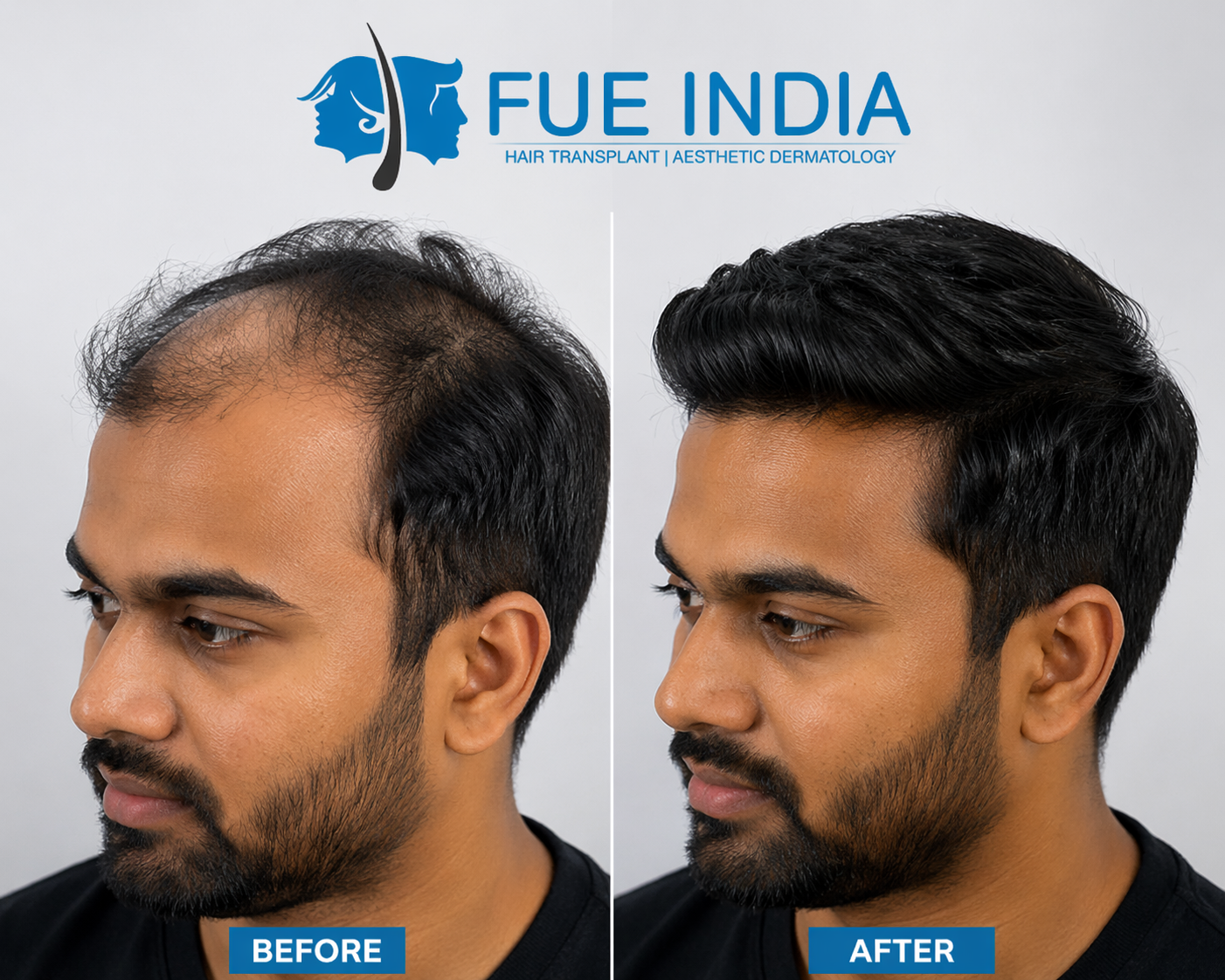
A hair transplant is one of the most effective solutions for restoring natural hair growth and confidence. However, many patients are unsure about what happens after the procedure and how long it takes to see visible results. Understanding the Hair Transplant Before and After journey can help you set realistic expectations and stay patient throughout the recovery process.
Hair restoration is not an overnight transformation. From temporary shedding in the early months to full hair growth after a year, every stage plays an important role in the final outcome. In this guide, we will explain the month-by-month recovery and hair growth timeline after a hair transplant.
Understanding the Hair Transplant Recovery Process
A hair transplant involves moving healthy hair follicles from a donor area, usually the back or sides of the scalp, to areas experiencing hair loss. Modern techniques such as FUE (Follicular Unit Extraction) and FUT (Follicular Unit Transplantation) provide natural-looking results with minimal downtime.
The success of your Hair Transplant Before and After transformation depends on several factors, including:
- Surgeon expertise
- Number of grafts transplanted
- Scalp health
- Post-operative care
- Genetics and hair quality
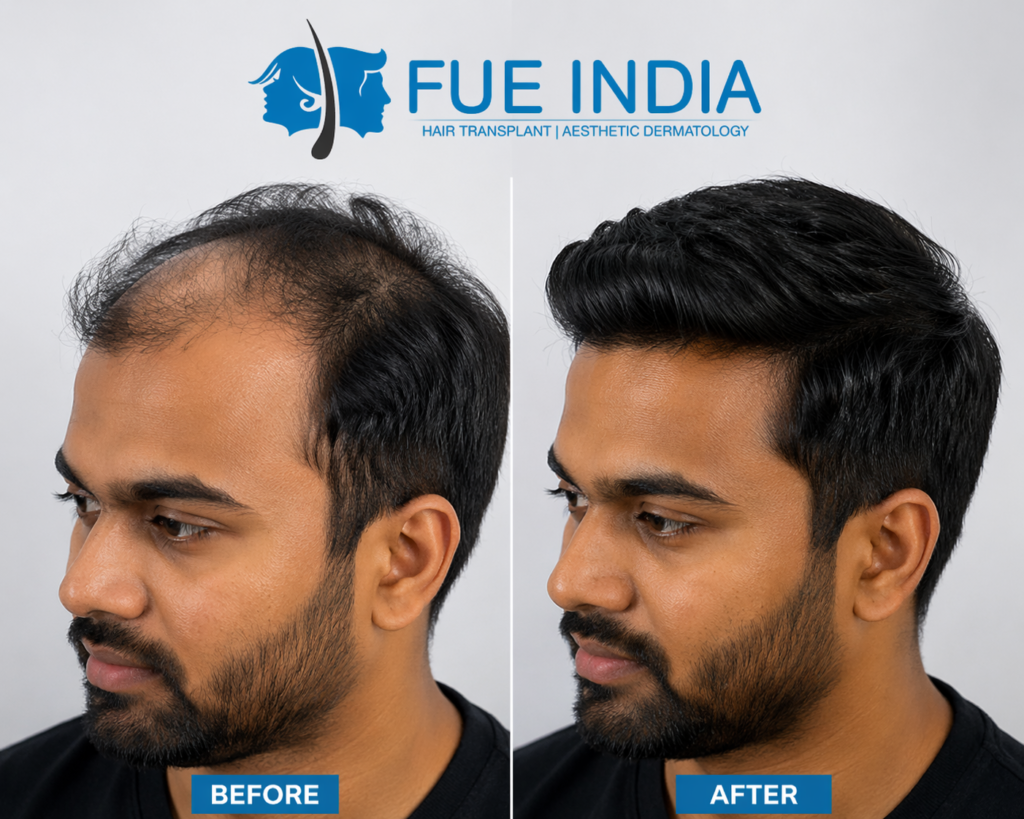
While every patient heals differently, the following timeline provides a general idea of what to expect.
Week 1: Initial Recovery Phase
The first week after surgery is mainly focused on healing. Patients may experience:
- Mild swelling around the forehead
- Redness and tiny scabs in the transplanted area
- Slight discomfort or itching
- Tightness in the donor area
These symptoms are normal and usually disappear within a few days. During this stage, it is important to avoid touching or scratching the scalp.
Tips for Faster Healing
- Sleep with your head elevated
- Avoid strenuous activities
- Follow the surgeon’s washing instructions carefully
- Stay hydrated and eat nutritious foods
At this point, your Hair Transplant Before and After results may not look impressive yet because the transplanted follicles are still settling into the scalp.
Month 1: Shedding Phase Begins
Around two to four weeks after the procedure, many patients experience “shock loss.” This stage can feel alarming, but it is completely normal.
The transplanted hairs begin to shed while the follicles remain safely rooted under the skin. This process occurs because the scalp is adjusting to the transplant.
What to Expect
- Most transplanted hairs fall out
- The scalp starts looking similar to the pre-transplant stage
- Mild pimples or irritation may appear
Many patients worry during this stage, but this shedding is actually a positive sign that new growth will eventually begin.
Month 2 to 3: Resting Phase
During months two and three, the transplanted follicles enter a dormant stage. Hair growth is usually minimal during this period.
Common Experiences
- Uneven hair appearance
- Continued shedding of weak hairs
- Little visible progress
Patience is essential during this stage of the Hair Transplant Before and After journey. Although visible results are limited, the follicles are preparing to produce new healthy hair.
Month 4: Early Hair Growth Starts
By the fourth month, many patients begin noticing tiny new hairs emerging from the transplanted area. This is the stage where excitement starts building.
Changes You May Notice
- Thin, soft baby hairs appearing
- Improved scalp texture
- Gradual increase in hair density
The new hair may initially appear uneven or fine, but this is completely natural. Over time, the strands become thicker and stronger.
Month 5 to 6: Visible Improvement
At the six-month mark, noticeable progress becomes visible in most patients. Approximately 40% to 50% of the final result may already be seen.
Hair Growth During This Stage
- Increased hair thickness
- Better coverage in bald areas
- Improved hairline definition
Patients often start feeling more confident during this phase because the Hair Transplant Before and After difference becomes more noticeable in photographs and daily life.
However, some areas may still appear patchy. Hair growth does not happen uniformly, and patience remains important.
Month 7 to 9: Major Transformation Period
This is often considered the most rewarding stage of the hair transplant recovery process. Hair growth becomes significantly fuller and denser.
What Happens During This Phase?
- Hair texture improves
- Hair becomes easier to style
- Bald spots continue filling in
- Natural appearance develops
Most patients see around 70% to 80% of their final results by month nine. Friends and family may begin noticing the transformation without realizing you had a transplant.
At this point, your Hair Transplant Before and After results become much more dramatic and satisfying.
Month 10 to 12: Final Results Appear
Between 10 and 12 months, patients usually achieve the majority of their final hair growth results.
Final Outcome Includes
- Full hair density
- Mature hairline shape
- Natural texture and thickness
- Long-lasting coverage
The transplanted hair behaves like natural hair and can be washed, cut, and styled normally.
For crown area transplants, complete growth may sometimes take 12 to 15 months because the crown region typically grows more slowly.
Factors That Affect Hair Growth Results
Every patient’s Hair Transplant Before and After timeline is different. Several factors influence the speed and quality of results.
1. Surgeon’s Experience
A skilled surgeon ensures proper graft placement, angle, and density for natural-looking outcomes.
2. Post-Operative Care
Following aftercare instructions helps reduce complications and improves graft survival.
3. Hair Characteristics
Patients with thicker or darker hair often achieve fuller-looking results faster.
4. Lifestyle Habits
Smoking, stress, and poor nutrition can negatively impact hair growth.
5. Overall Health
Healthy blood circulation and scalp condition contribute to stronger hair regrowth.
Tips to Maximize Hair Transplant Success
To improve your recovery and long-term results, consider these tips:
- Avoid smoking and alcohol during recovery
- Use only prescribed hair products
- Protect your scalp from direct sunlight
- Eat protein-rich foods
- Attend follow-up appointments regularly
Maintaining a healthy lifestyle can significantly enhance your Hair Transplant Before and After transformation.
Conclusion
A hair transplant is a gradual process that requires patience and proper care. While the first few months may feel slow due to shedding and dormant follicles, real transformation begins around the fourth month and continues improving over the year.
Understanding the Hair Transplant Before and After recovery timeline helps patients stay realistic and confident throughout the journey. By choosing an experienced clinic and following proper aftercare, you can achieve natural, long-lasting hair restoration results that improve both appearance and self-confidence.