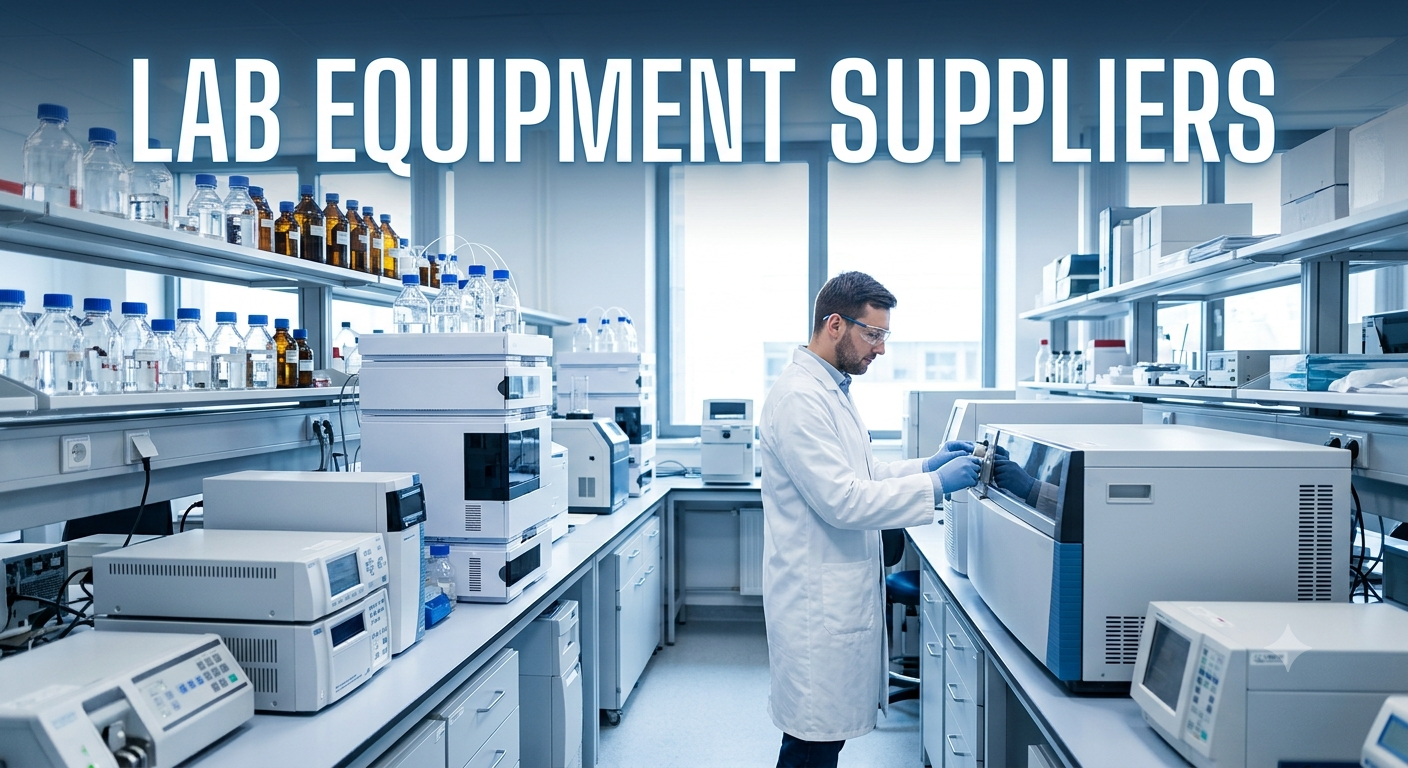
Whether you run a research facility, healthcare laboratory, educational institution, or industrial testing center, selecting the wrong supplier can lead to costly mistakes. Poor-quality equipment, delayed deliveries, and limited support can affect your daily operations and results.
This article explains the most common mistakes buyers make when choosing suppliers and how to avoid them. By understanding these pitfalls, you can make smarter purchasing decisions and build long-term partnerships that benefit your laboratory.
What Does It Mean to Select the Right Lab Equipment Suppliers?
Selecting the right lab equipment suppliers means finding a company that can provide reliable products, technical support, and long-term value. A supplier does much more than simply sell equipment. They help laboratories obtain tools that meet quality standards and operational requirements.
Laboratories depend on accurate instruments to generate reliable results. Because of this, choosing trustworthy lab equipment suppliers is essential. A good supplier understands industry needs, offers certified products, and provides support when issues arise.
For beginners, think of a supplier as a business partner rather than just a vendor. The right partnership can improve productivity, reduce downtime, and support future growth.
5 Mistakes to Avoid When Selecting Lab Equipment Suppliers
1. Focusing Only on Price
One of the biggest mistakes buyers make is choosing the lowest-priced option without considering quality.
While saving money is important, the cheapest equipment may not provide reliable performance. In many cases, low-cost products require frequent repairs or replacements. This can increase expenses over time.
Firstly, compare product quality alongside pricing. Additionally, evaluate warranty coverage, certifications, and service support. A slightly higher investment today may save significant costs in the future.
Remember that experienced lab equipment suppliers often provide better value through durable products and dependable support.
2. Ignoring Supplier Reputation
A supplier’s reputation tells you a lot about the quality of their products and services.
Before making a purchase, research customer reviews, testimonials, and case studies. Look for feedback from laboratories similar to yours. Positive reviews often indicate reliability and customer satisfaction.
For example, suppliers with a strong track record are more likely to deliver products on time and resolve issues quickly. However, suppliers with repeated complaints may create unnecessary challenges.
Always spend time evaluating the reputation of lab equipment suppliers before signing agreements or placing large orders.
3. Overlooking Product Certifications and Compliance
Laboratory equipment must meet industry standards to ensure safety and accuracy.
Many buyers focus on product features but forget to check certifications. This mistake can lead to compliance issues, inaccurate results, and operational risks.
Ask suppliers about certifications, quality control processes, and testing standards. Reliable products should meet recognized industry requirements.
Additionally, verify whether equipment complies with local regulations and international standards. Trusted lab equipment suppliers are usually transparent about their certifications and quality assurance procedures.
4. Not Evaluating After-Sales Support
Even high-quality equipment may require maintenance, calibration, or technical assistance.
Unfortunately, many buyers pay attention only to the purchase price and ignore support services. When problems occur, they discover that assistance is limited or unavailable.
Good suppliers offer installation support, training, maintenance services, and spare parts availability. They also respond quickly to technical questions.
Before choosing a supplier, ask about response times, warranty terms, and support options. Strong after-sales service can significantly reduce downtime and improve equipment lifespan.
5. Failing to Consider Future Laboratory Needs
Many laboratories purchase equipment based only on current requirements.
However, laboratory operations often expand over time. New projects, technologies, and regulations may require additional instruments and services.
Selecting suppliers without considering future growth can create challenges later. For instance, you may need to work with multiple vendors if your original supplier cannot meet evolving needs.
Instead, choose lab equipment suppliers that offer a broad product range and long-term support. This approach simplifies procurement and helps maintain consistency across your laboratory.
Practical Steps for Choosing the Right Supplier
Now that you know what mistakes to avoid, here are some practical steps to follow:
Create a Clear Equipment List
Start by identifying your laboratory’s needs. Include specifications, performance requirements, and budget expectations.
Compare Multiple Suppliers
Request quotations from several suppliers. Compare pricing, product quality, warranties, and support services.
Verify Industry Experience
Choose suppliers with experience serving laboratories in your field. Industry expertise often leads to better recommendations and solutions.
Request Product Demonstrations
Whenever possible, ask for demonstrations or detailed product information. This helps you evaluate performance before making a purchase.
Review Service Agreements
Carefully examine warranties, maintenance packages, and technical support terms before finalizing a contract.
By following these steps, laboratories can confidently select reliable lab equipment suppliers and avoid costly mistakes.
Where to Find More Information and Resources
Several trusted resources can help you learn more about laboratory equipment and supplier evaluation:
- American Laboratory Magazine – Industry news, product updates, and laboratory insights.
- International Organization for Standardization (ISO) – Information on quality and compliance standards.
- Centers for Disease Control and Prevention (CDC) Laboratory Resources – Laboratory best practices and safety guidance.
- World Health Organization Laboratory Guidance – Global laboratory standards and recommendations.
Additionally, industry exhibitions and laboratory technology conferences are excellent places to explore emerging trends and connect with trusted suppliers.
Conclusion
Choosing the right lab equipment suppliers is essential for laboratory success. While price matters, it should never be the only factor in your decision. By evaluating supplier reputation, certifications, after-sales support, and long-term capabilities, you can avoid common mistakes and make informed purchasing decisions.
Take time to research your options carefully. A reliable supplier can improve efficiency, support growth, and help your laboratory achieve accurate and consistent results for years to come.
FAQs
1. How do I choose the best lab equipment suppliers?
Start by evaluating product quality, certifications, customer reviews, technical support, and industry experience. Comparing multiple suppliers can help you make the best decision.
2. Why is after-sales support important when buying laboratory equipment?
After-sales support ensures you receive maintenance, calibration, troubleshooting assistance, and spare parts when needed, reducing downtime.
3. What certifications should laboratory equipment have?
The required certifications vary by industry, but ISO standards and relevant regulatory approvals are commonly important indicators of quality and compliance.
4. Should I choose the cheapest laboratory equipment available?
Not necessarily. Low-cost equipment may result in higher maintenance costs and shorter lifespan. Focus on overall value rather than price alone.
5. How often should laboratories review their supplier relationships?
It is a good practice to review supplier performance annually. Regular evaluations help ensure quality, reliability, and continued alignment with laboratory goals.