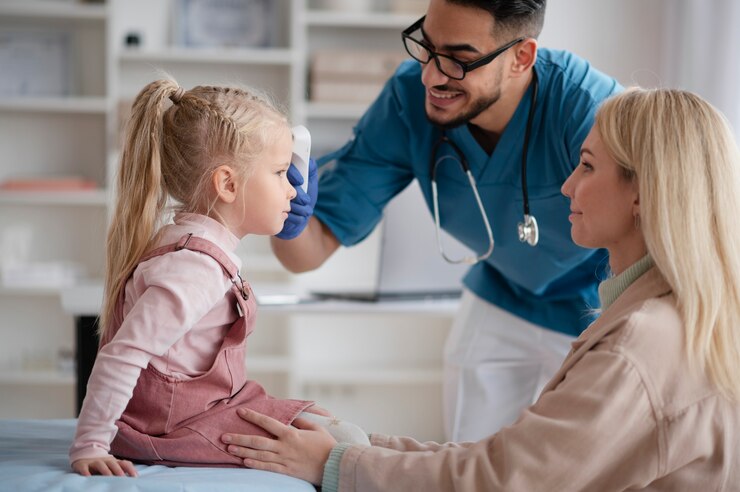
When your child suddenly becomes sick or gets injured, every minute feels important. Knowing when to visit pediatric urgent care can help your child receive the right treatment without unnecessary delays. Children often develop symptoms quickly, and some conditions that seem minor can become serious if left untreated.
At ER of Forthworth, experienced emergency medical professionals are available to evaluate children with illnesses, injuries, and other urgent medical conditions. Parents can feel confident knowing their child will receive compassionate, timely, and high-quality emergency care whenever it is needed.
Why Children Need Special Emergency Care
Children are not simply small adults. Their bodies respond differently to illness, infections, and injuries. They may not always be able to explain how they feel, making diagnosis more challenging.
Medical professionals who care for children understand these differences and know how to identify warning signs early. They also use child-friendly approaches to reduce fear and provide comfort during treatment.
1. High Fever That Doesn’t Improve
A fever is the body’s natural response to infection. Most fevers improve with rest, fluids, and medicine. However, some fevers require immediate medical evaluation.
Seek emergency care if your child has:
- A fever lasting several days
- A fever above 103°F (39.4°C)
- Difficulty waking up
- Trouble breathing
- Continuous vomiting
- Severe headache
- Stiff neck
- Seizures
Babies younger than three months with any fever should receive medical attention immediately.
2. Trouble Breathing
Breathing problems can become dangerous very quickly in children.
Warning signs include:
- Fast breathing
- Wheezing
- Blue lips or fingertips
- Chest pulling inward while breathing
- Loud breathing noises
- Difficulty speaking because of shortness of breath
Respiratory illnesses, asthma attacks, allergic reactions, and infections may all cause breathing difficulties.
Prompt treatment can prevent serious complications.
3. Serious Falls and Injuries
Children love to run, climb, and play. Unfortunately, accidents happen.
Visit the emergency room after:
- A head injury with vomiting
- Loss of consciousness
- Broken bones
- Deep cuts
- Heavy bleeding
- Neck injuries
- Severe swelling
- Inability to move a limb
Quick evaluation helps prevent long-term complications.
4. Severe Stomach Pain
Children frequently complain of stomach aches, but some abdominal pain needs immediate evaluation.
Watch for:
- Pain that becomes worse
- Pain on the lower right side
- Persistent vomiting
- Blood in vomit
- Bloody stool
- High fever
- Swollen abdomen
These symptoms may indicate appendicitis, intestinal blockage, or another medical emergency.
5. Allergic Reactions
Some allergic reactions become life-threatening within minutes.
Emergency symptoms include:
- Swollen lips
- Swollen tongue
- Difficulty breathing
- Hives covering the body
- Dizziness
- Fainting
Immediate treatment is critical because severe allergic reactions can progress rapidly.
6. Dehydration
Children lose fluids quickly through vomiting, diarrhoea, or high fever.
Signs of dehydration include:
- Dry mouth
- No tears when crying
- Dark urine
- Less frequent urination
- Sunken eyes
- Extreme tiredness
- Dizziness
Early treatment helps restore fluids and prevents more serious health problems.
7. Seizures
Watching a child have a seizure can be frightening.
Seek emergency care if:
- It is the first seizure
- The seizure lasts more than five minutes
- The child has trouble breathing afterward
- The child does not wake up normally
- Another seizure occurs shortly afterward
Emergency physicians will identify the cause and begin appropriate treatment.
Common Childhood Illnesses Treated
Children may need emergency evaluation for many illnesses, including:
- Ear infections
- High fever
- Influenza
- COVID-19
- RSV
- Pneumonia
- Bronchitis
- Strep throat
- Severe sore throat
- Dehydration
- Vomiting
- Diarrhoea
- Urinary tract infections
Early treatment often leads to quicker recovery.
Common Childhood Injuries
Emergency providers regularly treat:
- Sports injuries
- Sprains
- Broken bones
- Cuts needing stitches
- Burns
- Animal bites
- Head injuries
- Playground accidents
- Bicycle injuries
Prompt treatment helps reduce pain and supports proper healing.
What Happens During Your Child’s Visit?
Parents often worry about what to expect during an emergency visit.
Most visits include:
- Review of symptoms
- Physical examination
- Vital sign monitoring
- Medical history review
- Laboratory testing if needed
- Imaging when appropriate
- Treatment plan
- Home care instructions
Healthcare providers explain each step so parents understand their child’s condition.
Helping Children Feel Comfortable
A hospital visit can feel overwhelming for children.
Parents can help by:
- Staying calm
- Speaking reassuringly
- Bringing a favourite toy
- Holding younger children
- Explaining procedures using simple words
- Following medical instructions
A calm environment often reduces fear and anxiety.
Preventing Common Childhood Emergencies
Although accidents cannot always be avoided, many emergencies can be prevented.
Helpful safety tips include:
- Use properly fitted car seats.
- Wear helmets while riding bikes.
- Keep medicines out of children’s reach.
- Install smoke detectors.
- Supervise young children near water.
- Wash hands regularly.
- Keep vaccinations up to date.
- Store cleaning products safely.
- Teach children basic safety rules.
Simple precautions can significantly reduce injury risks.
Why Quick Medical Care Matters
Children’s conditions may change much faster than adults’. Early diagnosis allows healthcare providers to begin treatment before symptoms become more severe.
Seeking prompt medical attention may help:
- Prevent complications
- Reduce pain
- Shorten recovery time
- Avoid hospital admission
- Improve overall outcomes
Parents should never ignore symptoms that seem unusual or suddenly become worse.
Compassionate Care at ER of Forthworth
At ER of Forthworth, families receive emergency medical care in a welcoming environment designed to meet children’s needs. From sudden illnesses to unexpected injuries, the medical team focuses on fast evaluation, accurate diagnosis, and compassionate treatment.
Every child deserves prompt medical attention when an emergency occurs. Having access to experienced emergency professionals gives parents peace of mind during stressful situations.
Conclusion
Children can become ill or injured without warning, making it important for parents to recognise signs that require immediate medical attention. High fevers, breathing difficulties, serious injuries, dehydration, allergic reactions, severe abdominal pain, and seizures should never be ignored.
When these emergencies occur, timely evaluation and treatment can make a significant difference. ER of Forthworth is committed to providing compassionate emergency care for children, helping families receive the support they need when every moment matters.
For more information visit:https://eroffortworthtx.com/services/pediatric-care/