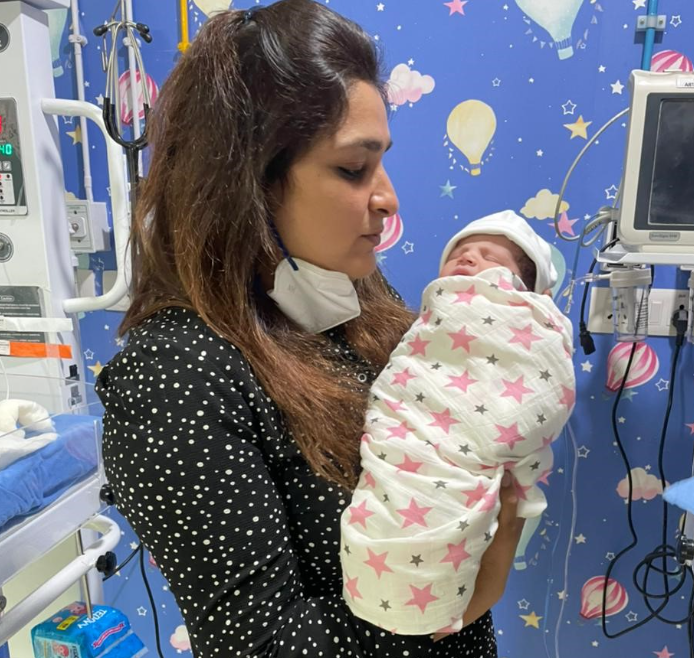
Female fertility plays a vital role in a couple’s journey toward parenthood. However, many women today face fertility-related concerns due to lifestyle changes, delayed pregnancies, medical conditions, and hormonal imbalances. Fortunately, advancements in reproductive medicine have made it possible for couples to overcome infertility and fulfill their dream of becoming parents. Choosing the best IVF center in Gurgaon can significantly improve treatment outcomes and provide comprehensive support throughout the fertility journey.
Understanding Female Fertility
Female Fertility refers to a woman’s ability to conceive naturally and carry a pregnancy to term. Several factors influence fertility, including age, ovarian reserve, hormonal health, lifestyle, and underlying medical conditions. Women are born with a finite number of eggs, and fertility naturally declines with age, particularly after the age of 35.
Common factors affecting female fertility include:
- Polycystic Ovary Syndrome (PCOS)
- Endometriosis
- Blocked fallopian tubes
- Hormonal disorders
- Uterine abnormalities
- Age-related decline in egg quality
- Lifestyle factors such as stress, obesity, and smoking
Seeking timely medical evaluation from the best IVF center in Gurgaon can help diagnose and treat fertility issues effectively.
Why Choose the Best IVF Center in Gurgaon?
Gurgaon has emerged as one of India’s leading destinations for fertility treatment due to its advanced medical infrastructure, experienced specialists, and high success rates. The best IVF center in Gurgaon offers:
- State-of-the-art fertility laboratories
- Experienced reproductive specialists
- Personalized treatment plans
- Advanced assisted reproductive technologies
- Comprehensive fertility diagnostics
- Emotional and psychological support
A specialized fertility center focuses on identifying the root cause of infertility and developing customized treatment protocols to maximize the chances of conception.
Common Female Fertility Conditions Treated at IVF Centers
Premature Ovarian Failure
Premature Ovarian Failure (POF) occurs when a woman’s ovaries stop functioning before the age of 40. Women with this condition may experience irregular periods, hormonal imbalance, and reduced fertility. Advanced fertility treatments, including IVF using donor eggs or fertility preservation techniques, can help women affected by premature ovarian failure achieve pregnancy.
Poor Ovarian Response
Some women produce fewer eggs despite undergoing ovarian stimulation during IVF treatment. This condition is known as Poor Ovarian Response. Specialized fertility specialists assess ovarian reserve and design individualized stimulation protocols to optimize egg retrieval and improve IVF success rates.
Diminished Ovarian Reserve
Diminished Ovarian Reserve refers to a reduced quantity and quality of eggs in the ovaries. It commonly occurs with advancing age but may also affect younger women. Early diagnosis through fertility testing allows specialists to recommend suitable treatment options, including IVF, egg freezing, or fertility preservation.
Advanced Fertility Preservation Options
Modern fertility care extends beyond conception and includes preserving reproductive potential for future family planning.
Ovarian Tissue Freezing
Ovarian Tissue Freezing is an innovative fertility preservation technique where ovarian tissue is surgically removed and cryopreserved for future use. This procedure is especially beneficial for women undergoing cancer treatment or those at risk of losing ovarian function prematurely. The frozen tissue can later be transplanted to restore fertility and hormonal function.
Leading fertility centers offering advanced reproductive technologies have successfully integrated ovarian tissue freezing into their fertility preservation programs.
Cutting-Edge IVF Techniques for Better Success
Technological advancements have significantly enhanced IVF outcomes. The best IVF center in Gurgaon utilizes advanced laboratory techniques to improve embryo quality and implantation rates.
Blastocyst Culture
Blastocyst Culture involves growing embryos in the laboratory for five to six days before transfer. This allows embryologists to select the most viable embryos with the highest implantation potential. Blastocyst transfer often results in improved pregnancy rates and reduced chances of multiple pregnancies.
Laser Assisted Hatching
Sometimes, embryos may struggle to hatch naturally from their outer shell, reducing implantation chances. Laser Assisted Hatching is a sophisticated procedure where a laser is used to create a small opening in the embryo’s outer layer, facilitating successful implantation in the uterus.
This technique is particularly beneficial for women with advanced maternal age, previous IVF failures, or poor embryo quality.
Personalized Embryo Transfer
Every woman’s reproductive system is unique. Personalized Embryo Transfer involves tailoring the timing and approach of embryo transfer based on the patient’s individual uterine receptivity. Advanced diagnostic tests help determine the optimal implantation window, thereby increasing the likelihood of a successful pregnancy.
Personalized embryo transfer has become an essential component of modern fertility treatment protocols.
Managing Repeated Implantation Failure
One of the most challenging situations in assisted reproduction is Repeated Implantation Failure, where good-quality embryos fail to implant despite multiple IVF attempts.
Several factors may contribute to repeated implantation failure, including:
- Genetic abnormalities in embryos
- Uterine abnormalities
- Immune disorders
- Hormonal imbalance
- Endometrial receptivity issues
The best IVF center in Gurgaon performs comprehensive investigations to identify the underlying causes and offers specialized treatment strategies, such as genetic testing, immunological assessment, and personalized embryo transfer, to improve implantation outcomes.
Importance of Early Fertility Assessment
Women planning pregnancy should not ignore signs such as irregular menstrual cycles, severe pelvic pain, recurrent miscarriages, or unsuccessful attempts to conceive for over one year. Early fertility assessment can detect potential issues and facilitate timely intervention.
Basic fertility evaluation may include:
- Hormonal testing
- Ultrasound examination
- Ovarian reserve assessment
- Fallopian tube evaluation
- Genetic testing when necessary
Timely consultation with fertility experts enhances treatment success and preserves reproductive options.
Conclusion
Female fertility is influenced by multiple biological and lifestyle factors, but infertility is no longer an insurmountable challenge. Thanks to continuous advancements in reproductive medicine, women facing conditions such as Premature Ovarian Failure, Poor Ovarian Response, Diminished Ovarian Reserve, and Repeated Implantation Failure now have access to highly effective treatment options.
Choosing the best IVF center in Gurgaon ensures access to cutting-edge technologies such as Blastocyst Culture, Laser Assisted Hatching, Personalized Embryo Transfer, and Ovarian Tissue Freezing, all of which significantly improve the chances of achieving a successful pregnancy.
If you are experiencing fertility challenges, seeking expert guidance at the right time can make all the difference in your journey toward parenthood.