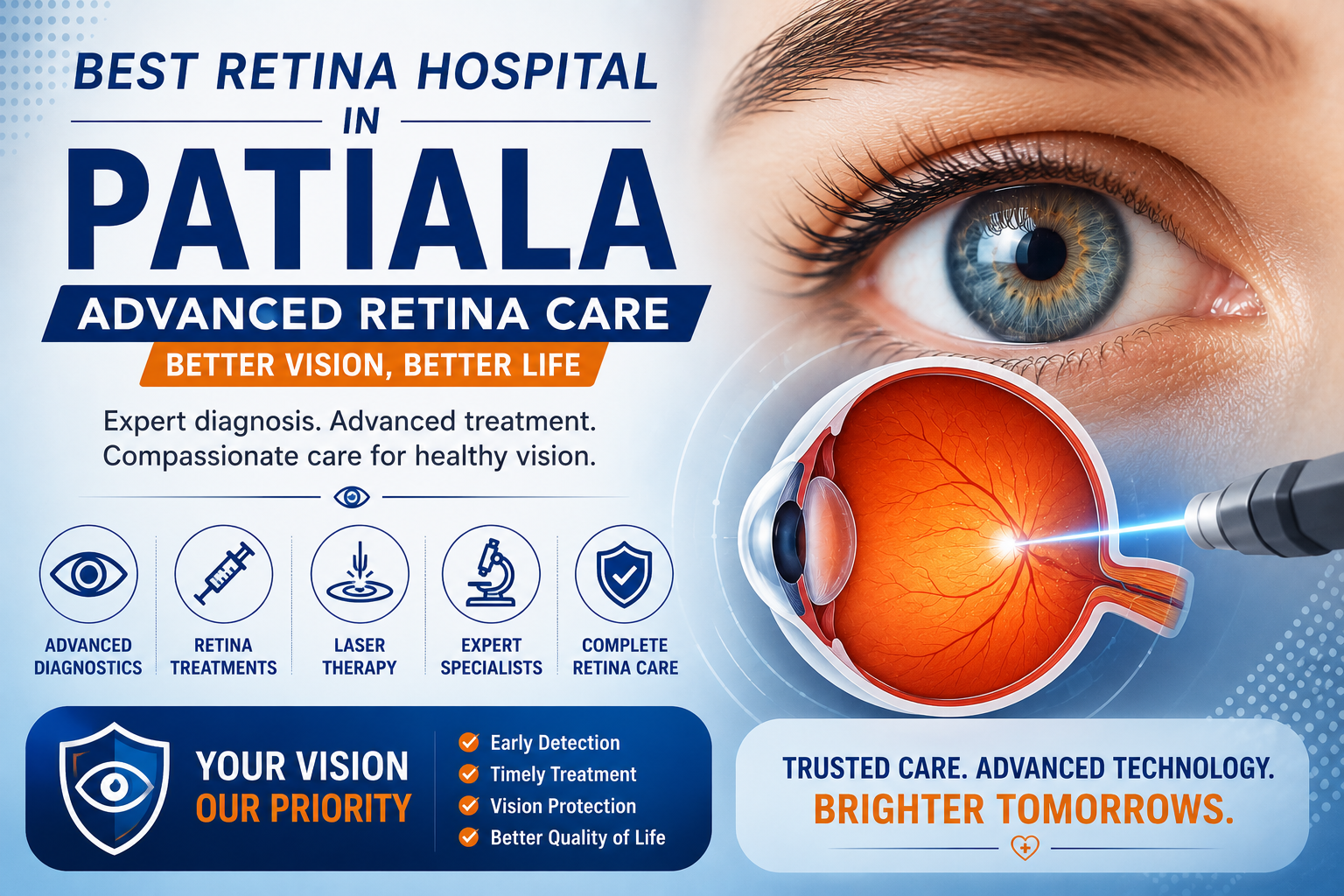
Vision plays a vital role in our daily lives, helping us work, study, drive, read, and enjoy the world around us. Among the many structures of the eye, the retina is one of the most important. It is responsible for capturing light and sending visual signals to the brain, allowing us to see clearly. When the retina becomes damaged due to disease or injury, vision can be significantly affected and, in severe cases, permanent vision loss may occur.
If you are searching for the Best Retina Hospital in Patiala, choosing a center that offers advanced diagnostics, specialized retinal treatments, and experienced eye specialists is essential. The Clinix is committed to providing comprehensive retina care using modern technology and personalized treatment plans to help patients preserve and improve their vision.
Understanding the Retina
The retina is a thin layer of light-sensitive tissue located at the back of the eye. It functions much like the sensor of a camera, capturing images and transmitting them to the brain through the optic nerve.
A healthy retina is essential for:
- Clear central vision
- Reading and writing
- Recognizing faces
- Driving safely
- Color perception
- Detailed visual tasks
Even minor retinal damage can lead to vision problems, making early diagnosis and treatment extremely important.
Common Retina Disorders
Retinal diseases can develop gradually and often show few symptoms in their early stages. Regular eye examinations can help detect problems before significant vision loss occurs.
Diabetic Retinopathy
Diabetic retinopathy is one of the leading causes of blindness among adults. High blood sugar levels can damage the small blood vessels in the retina, leading to swelling, leakage, and abnormal blood vessel growth.
Common symptoms include:
- Blurred vision
- Floaters
- Dark spots
- Difficulty reading
- Reduced night vision
Early detection can help prevent serious complications and preserve vision.
Age-Related Macular Degeneration (AMD)
AMD affects the macula, the central portion of the retina responsible for sharp vision.
Patients with AMD may experience:
- Distorted vision
- Difficulty recognizing faces
- Trouble reading
- Reduced central vision
Timely treatment and regular monitoring can help slow disease progression.
Retinal Detachment
Retinal detachment is a serious eye emergency that occurs when the retina separates from the underlying tissue.
Warning signs include:
- Sudden flashes of light
- Increase in floaters
- A curtain-like shadow across vision
- Sudden vision loss
Immediate medical attention is essential to save vision.
Macular Edema
Macular edema occurs when fluid accumulates in the macula, causing swelling and blurred vision.
This condition is commonly associated with:
- Diabetes
- Retinal vein occlusion
- Eye inflammation
Prompt treatment can help reduce swelling and improve visual outcomes.
Importance of Early Detection
Many retinal diseases can be managed successfully when diagnosed early.
Benefits of early detection include:
- Preventing permanent vision loss
- Preserving retinal function
- Reducing disease progression
- Improving treatment outcomes
- Enhancing quality of life
Since retinal damage is often irreversible, regular eye examinations are crucial for maintaining healthy vision.
Symptoms That Should Never Be Ignored
Many retinal conditions develop silently. However, certain symptoms should be evaluated by a retina specialist as soon as possible.
These include:
- Blurred vision
- Sudden vision changes
- Floaters
- Flashes of light
- Distorted vision
- Dark spots
- Difficulty reading
- Reduced peripheral vision
- Loss of central vision
Ignoring these warning signs can result in delayed treatment and permanent visual impairment.
Advanced Retina Services at The Clinix
As a trusted destination for retina care, The Clinix offers advanced diagnostic and treatment facilities for a wide range of retinal conditions.
Advanced Retinal Imaging
Modern retinal imaging technologies allow specialists to examine the retina in extraordinary detail.
Benefits include:
- Early disease detection
- Accurate diagnosis
- Better treatment planning
- Ongoing disease monitoring
Detailed imaging helps ensure timely intervention and improved patient outcomes.
Intravitreal Injections
Intravitreal injections are commonly used to treat retinal diseases involving abnormal blood vessel growth and retinal swelling.
These treatments may be recommended for:
- Diabetic Macular Edema
- Wet AMD
- Retinal Vein Occlusion
They help reduce retinal swelling and preserve vision.
Laser Retina Treatment
Laser therapy remains an effective treatment option for several retinal disorders.
Laser treatment may help:
- Prevent disease progression
- Seal leaking blood vessels
- Reduce retinal swelling
- Protect healthy retinal tissue
The procedure is often performed on an outpatient basis and can help preserve vision in selected patients.
Retinal Detachment Management
Early diagnosis and prompt treatment are essential for retinal detachment.
The Clinix provides comprehensive retinal evaluation and treatment planning to help patients receive timely care and improve the chances of successful visual recovery.
Who Is at Higher Risk for Retina Diseases?
Certain individuals have a greater risk of developing retinal disorders.
Diabetic Patients
People with diabetes should undergo regular retinal examinations, even when vision appears normal.
Individuals Above 50 Years
Age-related retinal diseases become more common as people grow older.
Patients with High Blood Pressure
Hypertension can damage retinal blood vessels and increase the risk of retinal complications.
High Myopia Patients
Individuals with severe nearsightedness may have an increased risk of retinal tears and retinal detachment.
Family History of Eye Disease
Genetics can play a role in the development of certain retinal disorders.
Regular screening helps detect retinal problems before symptoms become severe.
Why Choose The Clinix?
Patients looking for the Best Retina Hospital in Patiala trust The Clinix because of its commitment to advanced eye care and patient satisfaction.
Experienced Eye Care Team
The Clinix provides expert diagnosis and management for various retinal conditions using evidence-based treatment approaches.
Advanced Technology
Modern diagnostic equipment allows for accurate retinal assessment and early disease detection.
Personalized Treatment Plans
Every patient receives a customized treatment strategy based on their condition, lifestyle, and visual needs.
Comprehensive Retina Care
From diagnosis and monitoring to advanced treatments and long-term follow-up, The Clinix offers complete retinal care under one roof.
Patient-Centered Approach
The focus remains on preserving vision, ensuring comfort, and delivering the highest standard of care.
Tips to Maintain Healthy Retinas
Although some retinal diseases cannot be completely prevented, healthy lifestyle choices can help reduce risk factors.
Control Blood Sugar
Good diabetes management is essential for protecting retinal health.
Maintain Healthy Blood Pressure
Proper blood pressure control helps support healthy retinal circulation.
Eat a Balanced Diet
Foods rich in antioxidants, vitamins, and omega-3 fatty acids support long-term eye health.
Avoid Smoking
Smoking increases the risk of several retinal diseases, including macular degeneration.
Schedule Regular Eye Checkups
Routine eye examinations remain one of the most effective ways to detect retinal problems early.
Conclusion
The retina plays a critical role in maintaining clear and healthy vision. Unfortunately, many retinal diseases progress silently and may not show symptoms until significant damage has occurred. Early detection and timely treatment are key to preventing permanent vision loss and preserving quality of life.
If you are looking for the Best Retina Hospital in Patiala, The Clinix offers advanced retinal diagnostics, personalized treatment plans, and comprehensive eye care services designed to protect your vision. Whether you are experiencing retinal symptoms or belong to a high-risk group, regular retina evaluations can help safeguard your eyesight for years to come.
Frequently Asked Questions
1. What is the most common retinal disease?
Diabetic retinopathy is one of the most common retinal diseases and a leading cause of vision loss among adults.
2. How often should I get my retina checked?
Patients with diabetes, high blood pressure, high myopia, or a family history of retinal disease should have regular retinal examinations as recommended by their eye specialist.
3. Can retinal diseases be treated successfully?
Many retinal diseases can be managed effectively when diagnosed early and treated promptly.
4. What symptoms indicate a retinal problem?
Blurred vision, floaters, flashes of light, distorted vision, and sudden vision loss should be evaluated immediately.
5. Is retinal detachment an emergency?
Yes. Retinal detachment requires urgent medical attention to prevent permanent vision loss.
6. Why choose The Clinix for retina care?
The Clinix offers advanced retinal diagnostics, modern treatment options, personalized care, and comprehensive vision preservation services.