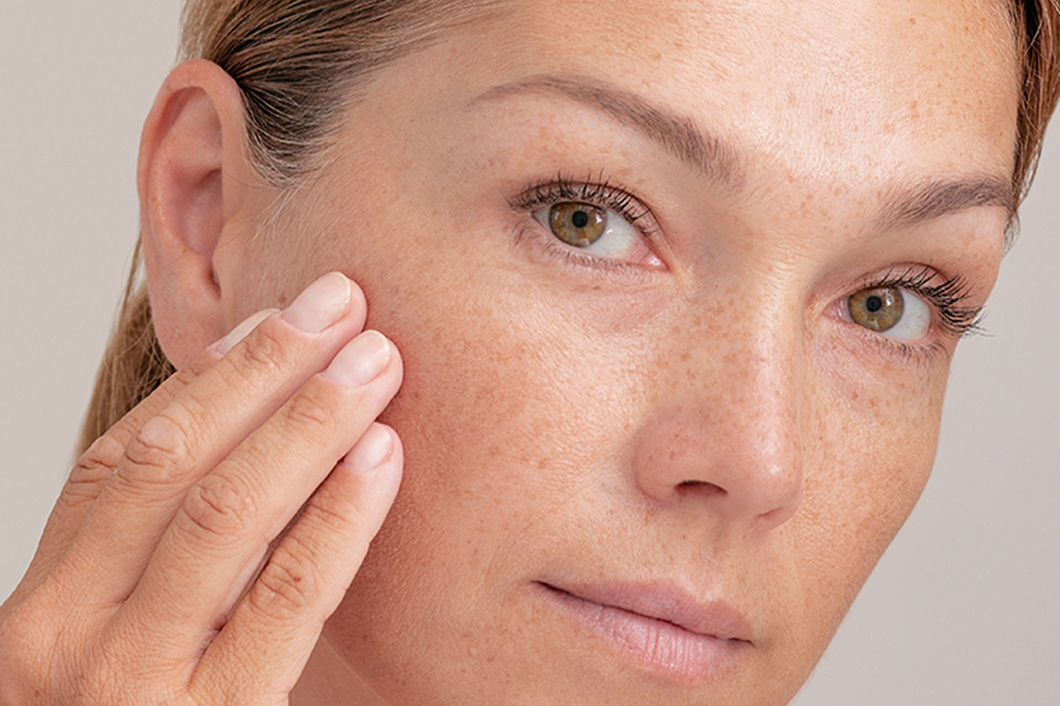
Melasma is a chronic skin condition that often improves with consistent care, but many people are surprised when it reappears after showing visible progress. This leads to confusion, frustration, and uncertainty about long-term results. Understanding why this happens is essential for setting realistic expectations and maintaining healthier skin over time. One of the most important factors in managing pigmentation concerns is choosing the right approach such as Melasma Treatment In Islamabad, combined with preventive care and lifestyle awareness. Melasma does not behave like a simple skin stain; it is influenced by internal and external triggers that can easily reactivate pigmentation even after successful improvement. This makes education and ongoing skin protection just as important as the initial treatment itself.
Why Melasma Can Return After Improvement
Melasma is known for its recurring nature because it is deeply connected to melanin activity within the skin. Even when visible patches fade, melanocytes can remain highly reactive. This means the condition is not fully “cured” but rather controlled. If the skin is exposed again to triggering factors, pigmentation can gradually reappear.
Another reason for recurrence is that many treatments focus on reducing surface pigmentation without addressing deeper biological triggers. As a result, the skin may look clearer for a period, but underlying sensitivity remains active. This is why maintenance care plays a crucial role in long-term results.
Key Triggers That Reactivate Melasma
Sun exposure is the most powerful trigger for melasma recurrence. Ultraviolet rays stimulate melanin production, causing existing pigmentation cells to become active again. Even short periods of unprotected sun exposure can reverse progress.
Hormonal fluctuations are another major factor. Changes during pregnancy, stress, or hormonal imbalance can influence pigment production in the skin. This is why melasma is often called a “hormone-responsive condition.”
Heat and visible light exposure also contribute to recurrence. Many people are unaware that prolonged exposure to heat from cooking, outdoor environments, or screens can worsen pigmentation.
Improper skincare routines, especially using harsh exfoliants or unverified products, can also irritate the skin barrier. When the skin becomes inflamed, it becomes more prone to pigmentation changes.
How to Reduce the Risk of Melasma Returning
Preventing recurrence requires consistency rather than short-term effort. Daily sun protection is the most critical step, even on cloudy or indoor days. Protective clothing and shade-seeking habits further reduce risk.
Using gentle skincare products helps maintain the skin barrier. Harsh ingredients can trigger inflammation, which indirectly increases pigmentation activity. Hydration and barrier repair support long-term stability.
Regular follow-ups with skincare routines tailored to individual skin types are also important. Since melasma is not identical in every person, personalized care ensures better long-term management.
Long-Term Management Strategies for Stable Skin
Managing melasma successfully requires a combination of discipline and awareness. Dermatology experts emphasize that maintenance is not optional but necessary for sustained results. Treatments may reduce visible pigmentation, but long-term control depends on how well the skin is protected afterward.
Antioxidant-rich skincare can help reduce oxidative stress in the skin, which is one of the hidden contributors to pigmentation recurrence. Ingredients that support skin renewal and reduce inflammation are often recommended for maintenance care.
Consistency is key. Skipping sun protection or abandoning a routine after improvement increases the likelihood of relapse. Long-term success is built on daily habits rather than occasional treatments.
Lifestyle Habits That Influence Melasma Stability
Lifestyle choices play a significant role in skin pigmentation balance. High stress levels can trigger hormonal fluctuations, indirectly affecting melanin production. Maintaining stress control through sleep, hydration, and relaxation techniques supports skin stability.
Diet also influences skin health. Nutrient-rich foods that support skin repair and reduce inflammation can contribute to better pigmentation control. While diet alone cannot cure melasma, it supports overall skin resilience.
Avoiding excessive heat exposure and protecting the skin during outdoor activities are simple yet effective habits that reduce recurrence risk. Small daily decisions collectively make a significant difference in long-term results.
Expert Insights on Recurrence and Skin Behavior
From a dermatological perspective, melasma is classified as a relapsing condition. This means that even after successful improvement, the skin remains biologically predisposed to pigmentation. Understanding this helps individuals approach treatment with realistic expectations.
Skin memory plays a role in recurrence, as previously activated pigment cells can become responsive again under certain conditions. This is why ongoing care is often emphasized rather than one-time correction.
Education is a key part of management. When individuals understand how their skin reacts, they are more likely to follow protective routines and reduce recurrence risk effectively.
Melasma should be seen as a manageable condition rather than a permanently resolved issue. With proper care, stability can be achieved for long periods, but vigilance is always required.
Conclusion
Melasma recurrence is a common concern, but it is not unpredictable when the nature of the condition is understood. Sun exposure, hormonal changes, lifestyle habits, and skincare choices all play a role in whether pigmentation returns. Long-term management requires consistent protection, gentle skincare, and awareness of triggers that activate melanin production. With the right approach, including structured care and informed decisions, individuals can significantly reduce the chances of relapse and maintain clearer skin over time. Choosing effective guidance such as Melasma Treatment In Islamabad ensures that both improvement and long-term maintenance are approached with a balanced and realistic strategy for lasting skin health.
FAQs
Can melasma come back after it fades completely?
Yes, melasma can return because the underlying pigment cells remain active and can reactivate when exposed to triggers like sunlight or hormones.
What is the biggest cause of melasma recurrence?
Sun exposure is the most common cause, as UV rays directly stimulate melanin production in the skin.
Is melasma a permanent skin condition?
It is considered a chronic condition that can be controlled but not permanently cured, making maintenance essential.
Can lifestyle changes help prevent melasma from returning?
Yes, consistent sun protection, stress management, and healthy skincare routines significantly reduce recurrence risk.
Why does melasma return even after successful treatment?
Because treatments reduce visible pigmentation but do not eliminate the skin’s natural tendency to produce excess melanin under certain conditions.