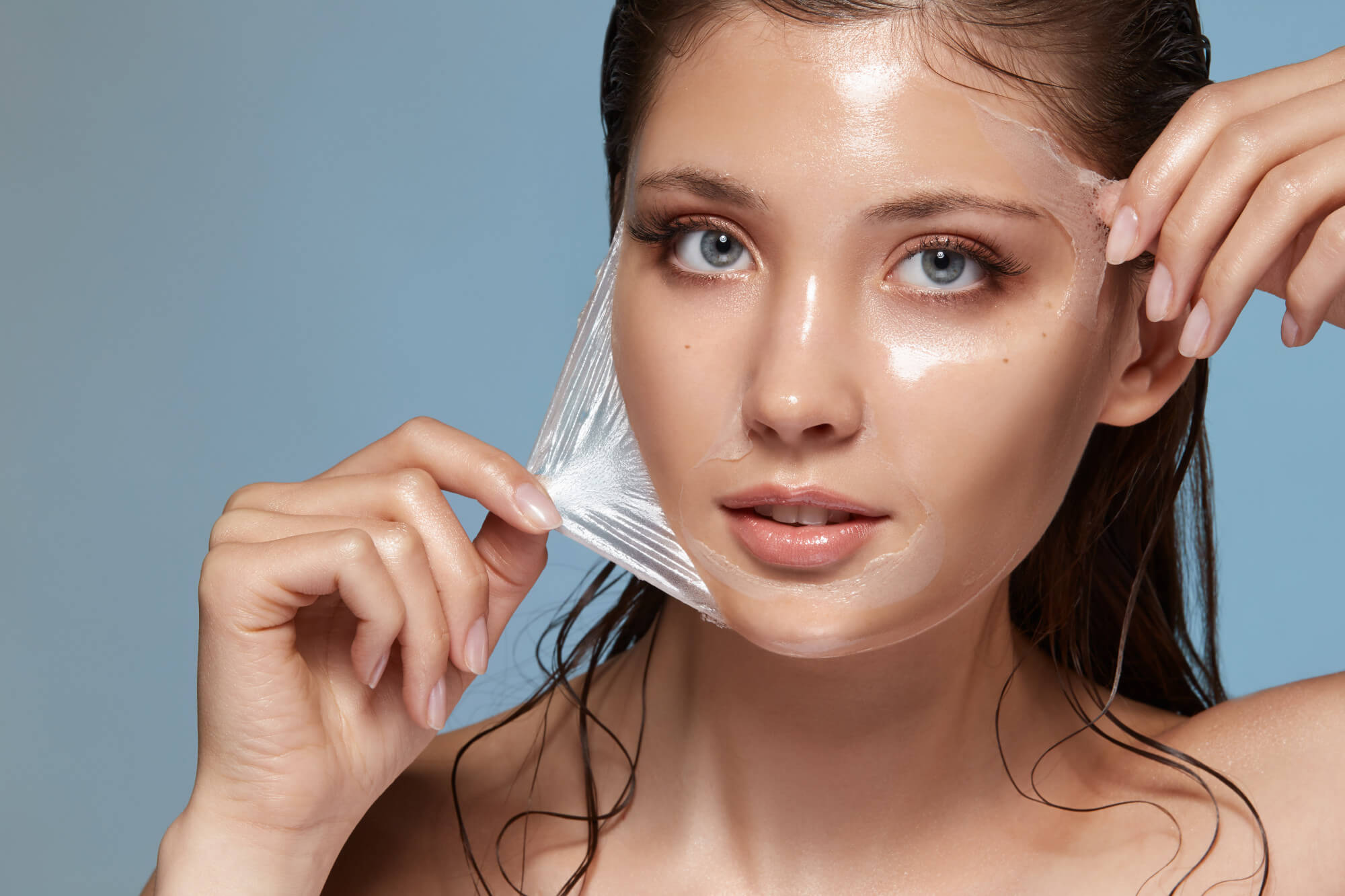
Uneven skin tone and rough texture are among the most common skin concerns that affect confidence and overall appearance. These issues can be caused by sun exposure, acne scars, aging, pollution, and inconsistent skincare routines. Many people look for effective solutions that can restore smoother, brighter, and more balanced skin. One widely discussed approach in dermatological skincare is Chemical Peels In Islamabad, which are designed to gently exfoliate the skin and improve its overall quality without invasive procedures.
Understanding Uneven Skin Tone and Texture
Uneven skin tone refers to patches of discoloration, dark spots, redness, or dullness that make the complexion appear inconsistent. Texture issues often include rough patches, enlarged pores, acne scars, and fine irregularities on the skin surface. These concerns usually develop over time due to a combination of internal and external factors.
Sun exposure is one of the leading causes, as UV rays trigger excess melanin production leading to pigmentation. Acne breakouts can also leave behind marks that take months to fade. Similarly, natural aging slows down cell turnover, making the skin look less smooth and radiant.
How Chemical Peels Improve Skin Quality
Chemical peels work by applying a carefully formulated solution to the skin that encourages the removal of dead skin cells from the outer layers. Once these damaged layers are exfoliated, fresh and healthier skin emerges underneath.
This process helps stimulate cell regeneration, allowing the skin to repair itself more efficiently. Over time, the treatment can reduce pigmentation, smooth uneven texture, and promote a more even complexion. It also enhances the absorption of skincare products, making daily routines more effective.
Benefits for Uneven Skin Tone and Texture
Chemical peels offer multiple benefits for individuals struggling with skin irregularities. One of the most noticeable improvements is a brighter and more radiant complexion. As dead skin cells are removed, the skin reflects light more evenly, reducing dullness.
Another key benefit is the reduction of acne marks and pigmentation. Regular treatments can gradually fade dark spots and improve overall clarity. Texture also becomes smoother as the skin renews itself, reducing rough patches and minimizing the appearance of pores.
Additionally, chemical peels help control excess oil production, making them suitable for individuals with oily or combination skin types. This can also reduce the frequency of breakouts, leading to clearer skin over time.
Types of Chemical Peels Used for Skin Improvement
Different types of chemical peels are used depending on the severity of the skin concern. Light peels target the outermost layer of the skin and are suitable for mild discoloration and minor texture issues. They offer a gentle refresh with minimal downtime.
Medium peels penetrate deeper layers of the skin and are often used for moderate pigmentation, acne scars, and more noticeable texture concerns. These provide more visible results but may require a short recovery period.
Deep peels are more intensive and target significant skin damage. They are generally used for advanced concerns and deliver long-lasting improvements in skin tone and texture.
Importance of Expertise and Skin Assessment (EEAT Perspective)
When it comes to skincare treatments like chemical peels, understanding skin biology and formulation strength is essential. Each skin type reacts differently depending on sensitivity, hydration levels, and existing conditions.
A proper skin assessment ensures that the correct type of peel is selected, minimizing risks such as irritation or uneven results. Expertise in skin analysis helps in customizing treatments that align with individual needs rather than a one-size-fits-all approach.
Trustworthy skincare practices also emphasize safety, ingredient transparency, and gradual improvement rather than aggressive treatment methods. This ensures that skin health is maintained while achieving visible enhancement over time.
Aftercare and Skin Maintenance Tips
After undergoing a chemical peel, proper aftercare plays a crucial role in maintaining results. The skin becomes more sensitive, so gentle cleansing and consistent hydration are important. Using sunscreen regularly is essential because the new skin layer is more vulnerable to sun damage.
Avoiding harsh skincare products such as strong exfoliants or alcohol-based toners helps prevent irritation. Instead, soothing and hydrating ingredients support healing and enhance results.
Consistency in skincare routines also matters. A balanced routine that includes moisturizing, sun protection, and mild cleansing can extend the benefits of the treatment and maintain long-term skin clarity.
FAQs
What skin concerns can chemical peels address?
Chemical peels help improve uneven tone, rough texture, acne marks, pigmentation, and dullness by removing damaged outer skin layers.
Are chemical peels suitable for all skin types?
Yes, they can be adapted for different skin types, but the strength and formulation must be chosen according to skin sensitivity.
How long does it take to see results?
Some improvement may be visible after the first session, while more significant results usually appear after multiple sessions depending on skin condition.
Is there any downtime after a peel?
Light peels may have little to no downtime, while medium and deeper peels may involve mild peeling or redness for a few days.
Can chemical peels improve acne scars?
Yes, regular treatments can gradually reduce the appearance of acne scars by promoting skin regeneration and smoothing texture.
Final Thoughts on Skin Renewal
Achieving smooth, even-toned skin requires consistent care and effective treatment choices tailored to individual needs. With proper guidance and the right skincare approach, visible improvements in tone and texture are possible over time. Many people turn to advanced exfoliation methods like Chemical Peels In Islamabad to restore clarity, brightness, and confidence in their skin without invasive procedures.