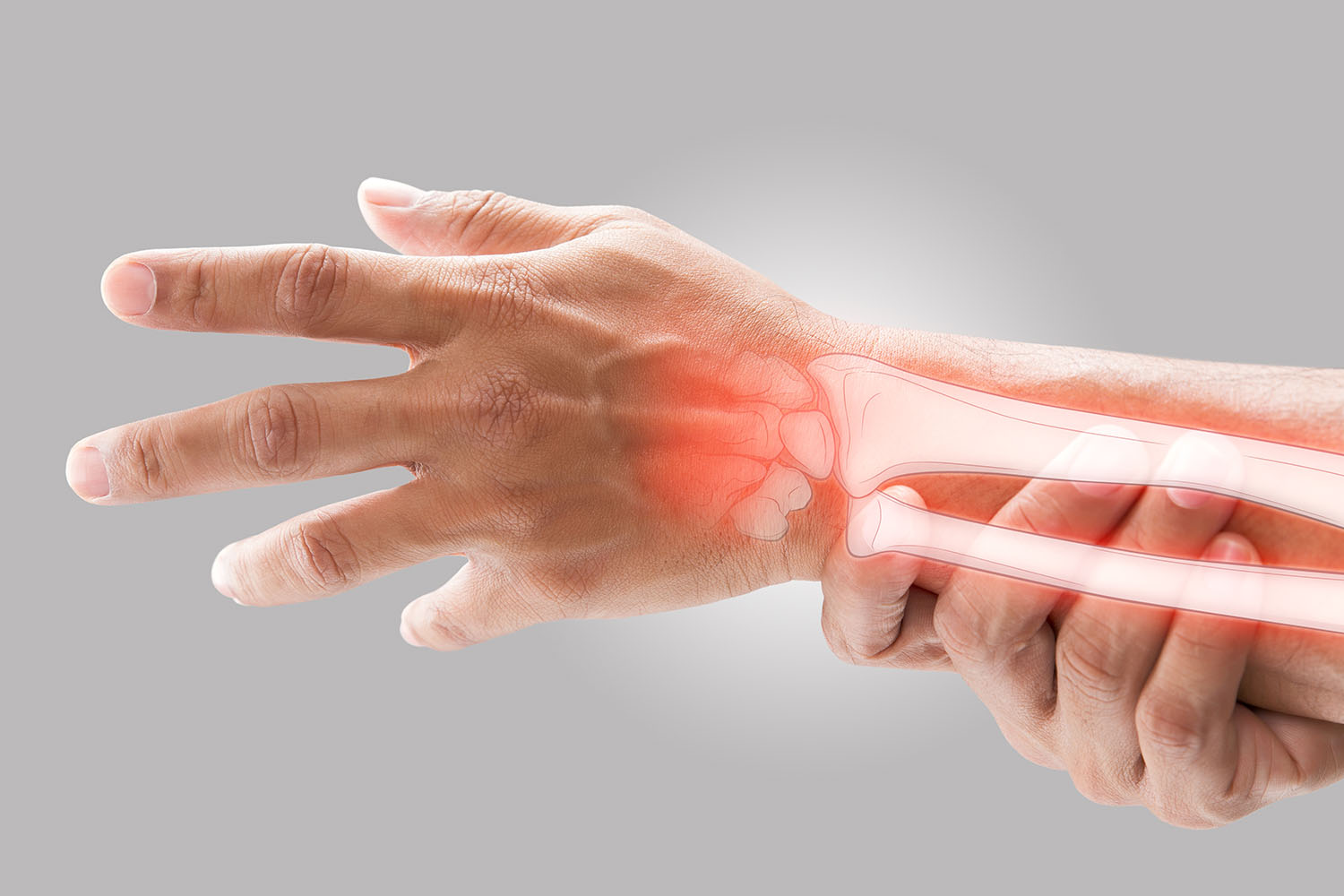
Hand injuries can affect everyday activities more than many people realize. Simple tasks such as writing, eating, typing, driving, or holding objects become difficult when the hand is injured. Because the hand contains many small bones, joints, muscles, and tendons working together, even a minor injury can cause significant discomfort and temporary loss of function.
A hand fracture is one of the most common orthopedic injuries seen in people of all ages. It can happen during sports activities, falls, workplace accidents, road traffic accidents, or direct impact to the hand. Understanding the different treatment methods and the expected healing stages can help patients know what to expect during recovery and why proper medical care is important.
What Is a Hand Fracture?
A hand fracture refers to a break or crack in one of the bones of the hand. The human hand contains 27 bones, including:
- Carpals (wrist bones)
- Metacarpals (bones in the palm)
- Phalanges (finger bones)
When any of these bones break due to trauma or excessive force, it is considered a fracture.
The severity of the injury can vary. Some fractures involve only a small crack, while others result in multiple broken pieces or bones moving out of their normal position.
Common Causes of Hand Fractures
Several situations can lead to fractures in the hand. Common causes include:
Falls
Falling onto an outstretched hand is one of the leading causes of hand fractures. The impact force can be strong enough to break one or more bones.
Sports Injuries
Contact sports such as football, basketball, rugby, and martial arts increase the risk of hand injuries and fractures.
Workplace Accidents
Heavy machinery, tools, and industrial equipment can cause serious hand trauma.
Road Traffic Accidents
Car, motorcycle, and bicycle accidents frequently result in fractures due to direct impact.
Direct Blows
Punching a hard object or receiving a direct blow to the hand can cause fractures, especially in the metacarpal bones.
Symptoms of a Hand Fracture
The symptoms depend on the location and severity of the injury. Common signs include:
- Sudden pain after injury
- Swelling
- Bruising
- Tenderness when touching the area
- Difficulty moving fingers
- Weak grip strength
- Visible deformity
- Finger misalignment
- Numbness in some cases
A person should seek medical evaluation if any of these symptoms occur after an injury.
Types of Hand Fractures
Different fracture patterns require different treatment approaches.
Stable Fracture
The broken bone remains properly aligned and is likely to heal without surgery.
Displaced Fracture
The bone fragments move out of their normal position and may require repositioning.
Open Fracture
The broken bone breaks through the skin. This type requires urgent medical treatment due to infection risk.
Comminuted Fracture
The bone breaks into multiple pieces. These fractures are usually more complex.
Spiral Fracture
A twisting force causes the bone to break in a spiral pattern.
Stress Fracture
Repeated stress over time creates a small crack in the bone.
How Doctors Diagnose a Hand Fracture
Accurate diagnosis is essential for proper treatment.
Physical Examination
The doctor examines:
- Swelling
- Tenderness
- Finger movement
- Hand alignment
- Grip strength
X-Rays
X-rays are the most common imaging test used to confirm fractures and determine their severity.
CT Scan
A CT scan may be recommended when a fracture is complex or involves a joint surface.
MRI
MRI scans are sometimes used when soft tissue injuries accompany the fracture.
Goals of Hand Fracture Treatment
The main objectives of treatment include:
- Proper bone healing
- Pain reduction
- Restoring hand function
- Maintaining finger mobility
- Preventing deformity
- Returning patients to normal activities safely
The treatment method depends on the fracture type, location, and overall condition of the patient.
Non-Surgical Hand Fracture Treatment Methods
Many fractures can heal successfully without surgery.
Splinting
A splint helps stabilize the injured area while allowing some swelling to occur during the early healing period.
Benefits include:
- Reduced pain
- Protection from further injury
- Improved comfort
Casting
A cast provides stronger immobilization than a splint.
Casts are commonly used for:
- Stable fractures
- Non-displaced fractures
- Fractures expected to heal naturally
Patients typically wear a cast for several weeks depending on the injury.
Buddy Taping
For some finger fractures, the injured finger is taped to a neighboring finger for support.
This method helps maintain alignment while allowing limited movement.
Pain Management
Pain control is an important part of recovery.
Doctors may recommend:
- Ice application
- Elevation
- Rest
- Appropriate pain medications
Activity Modification
Patients are advised to avoid activities that place stress on the healing hand.
Surgical Hand Fracture Treatment Methods
Surgery may be necessary when bones cannot heal correctly on their own.
When Is Surgery Needed?
Surgery may be recommended for:
- Displaced fractures
- Open fractures
- Multiple fractures
- Joint involvement
- Significant deformity
- Unstable fractures
Pin Fixation
Metal pins are inserted to hold bone fragments in place while healing occurs.
Pins are usually removed after sufficient healing.
Plate and Screw Fixation
Small plates and screws stabilize the fractured bone.
This method is often used for:
- Complex fractures
- Multiple fragment fractures
- Fractures requiring precise alignment
External Fixation
In severe injuries, an external frame may be attached outside the hand to maintain bone alignment.
Bone Grafting
In rare cases, bone graft material may be used when there is bone loss or delayed healing.
Expected Healing Stages of a Hand Fracture
Healing follows a natural biological process. Understanding these stages helps patients know what to expect.
Stage 1: Inflammatory Phase (First Few Days)
This stage begins immediately after the fracture.
During this phase:
- Blood collects around the fracture site
- Swelling develops
- Pain is often most intense
- The body’s healing response begins
Although discomfort is common, this stage is important because it starts the repair process.
Stage 2: Soft Callus Formation (Weeks 1–3)
The body creates a soft bridge between the broken bone ends.
During this stage:
- Pain gradually decreases
- Swelling begins to improve
- The fracture becomes more stable
However, the bone is still fragile and requires protection.
Stage 3: Hard Callus Formation (Weeks 3–8)
The soft callus slowly transforms into stronger bone tissue.
At this stage:
- Bone strength improves
- Fracture stability increases
- Patients may notice reduced discomfort
X-rays often show visible healing during this period.
Stage 4: Bone Remodeling (Months to Years)
The body continues reshaping and strengthening the repaired bone.
During remodeling:
- Bone structure becomes more organized
- Strength continues improving
- Function gradually returns
This process may continue long after symptoms have disappeared.
Average Recovery Timeline
Although every patient heals differently, a general timeline includes:
| Time Period | Healing Progress |
|---|---|
| First Week | Pain and swelling management |
| Weeks 2–3 | Early bone repair begins |
| Weeks 4–6 | Improved stability |
| Weeks 6–8 | Significant healing in many fractures |
| Months 3–6 | Continued strengthening and rehabilitation |
| Up to 1 Year | Full remodeling process continues |
Factors such as age, health condition, smoking habits, and fracture complexity can influence recovery speed.
Importance of Hand Therapy
Rehabilitation plays a major role in restoring function after a fracture.
A hand therapist may guide patients through exercises designed to:
- Improve flexibility
- Increase strength
- Reduce stiffness
- Restore coordination
- Improve grip function
Therapy is especially important after prolonged immobilization or surgery.
Potential Complications
Most fractures heal successfully, but complications can occur if treatment is delayed or incomplete.
Stiffness
Joint stiffness is one of the most common issues after immobilization.
Malunion
The bone heals in an incorrect position, which may affect function.
Nonunion
The fracture fails to heal properly.
Reduced Grip Strength
Some patients experience temporary weakness during recovery.
Arthritis
Fractures involving joints may increase the risk of future arthritis.
Early diagnosis and proper treatment help reduce these risks.
Tips for Supporting Recovery
Patients can support healing by following medical advice carefully.
Helpful recommendations include:
- Keep splints or casts dry and clean
- Attend follow-up appointments
- Avoid smoking
- Eat a balanced diet rich in calcium and protein
- Perform prescribed exercises
- Avoid returning to sports too early
- Protect the healing hand from additional injuries
Following these recommendations can improve healing outcomes and help restore normal hand function.
When to Seek Immediate Medical Attention
Patients should contact their healthcare provider if they experience:
- Severe worsening pain
- Increasing swelling
- Numbness or tingling
- Blue or pale fingers
- Signs of infection
- Fever
- Loss of finger movement
Prompt evaluation can prevent complications and improve recovery.
Conclusion
A hand fracture can significantly affect daily life, but modern treatment methods provide excellent outcomes for most patients. Depending on the type and severity of the injury, treatment may involve splinting, casting, rehabilitation, or surgical fixation. Understanding the expected healing stages helps patients stay informed throughout the recovery process and follow treatment recommendations with confidence.
For individuals seeking expert evaluation and advanced orthopedic care, Dr Marouane Bouloudhnine provides comprehensive assessment and treatment options tailored to each patient’s specific injury, helping support safe healing and a successful return to normal activities.