Choosing to undergo liposuction is a significant decision, but not everyone is an ideal candidate for the procedure. One of the most important factors plastic surgeons evaluate before recommending treatment is Body Mass Index (BMI). BMI helps determine whether a patient is likely to achieve safe, effective, and long-lasting results while minimizing surgical risks.
If you are considering Liposuction in Islamabad, understanding how BMI influences eligibility can help you make informed decisions before scheduling a consultation. Although BMI is only one part of the assessment, it provides valuable insight into whether liposuction is the right procedure for your body goals.
What You Will Learn in This Blog
- Understand the relationship between BMI and liposuction.
- Learn who qualifies as a good candidate.
- Discover why BMI alone does not determine eligibility.
- Explore how surgeons evaluate overall health.
- Find out what to do if your BMI is too high.
- Learn how to prepare for the best possible results.
What Is Body Mass Index
Body Mass Index is a simple calculation based on your height and weight. It is commonly used to estimate whether a person falls within a healthy weight range.
BMI Categories
- Underweight
- Healthy weight
- Overweight
- Obesity Class One
- Obesity Class Two
- Obesity Class Three
While BMI provides useful guidance, it does not measure muscle mass, body composition, or fat distribution. Therefore, experienced surgeons use it alongside other clinical evaluations rather than relying on it alone.
Why BMI Matters Before Liposuction
Body Mass Index plays an important role because liposuction is designed for body contouring rather than weight reduction.
Key Reasons Surgeons Consider BMI
- Evaluates overall surgical safety.
- Helps estimate anesthesia risks.
- Predicts recovery outcomes.
- Determines whether realistic results can be achieved.
- Reduces the likelihood of complications.
Patients with an appropriate BMI generally experience smoother recovery and better contouring outcomes than individuals with significantly higher BMI values.
Is Liposuction a Weight Loss Procedure
One of the biggest misconceptions is that liposuction is a treatment for obesity.
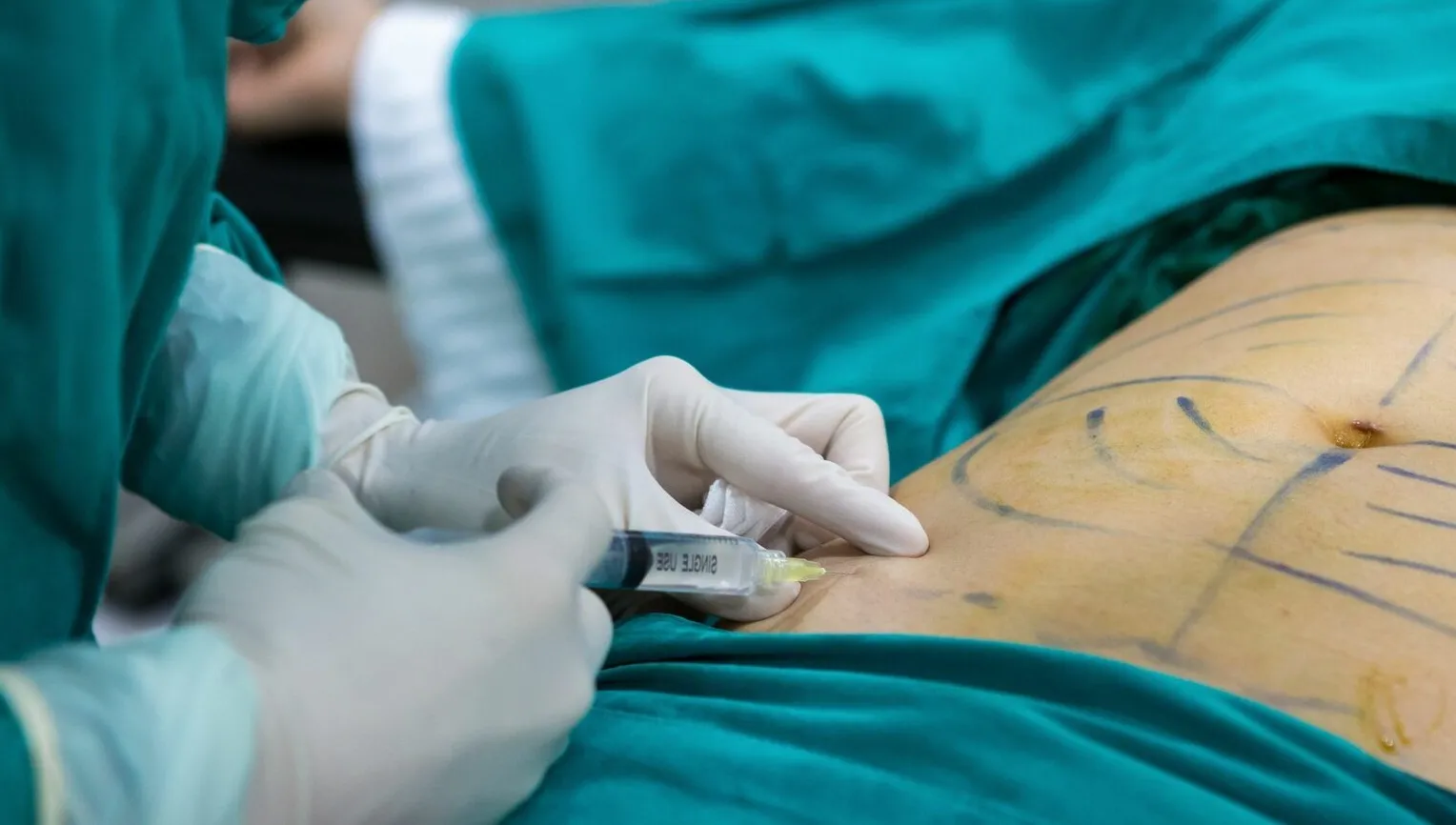
In reality, liposuction removes localized fat deposits that do not respond to healthy eating and regular exercise. It is intended to reshape specific body areas rather than produce major weight loss.
Patients should ideally be close to their target weight before considering surgery.
Liposuction Is Best For
- Stubborn abdominal fat.
- Love handles.
- Thigh fat.
- Arm fat.
- Back fat.
- Chin and neck fat.
- Waist contouring.
Ideal BMI for Liposuction Candidates
Although recommendations may vary depending on the patient’s health and surgeon’s assessment, many specialists prefer candidates whose BMI is below 30.
Individuals who maintain a stable weight often experience:
- Better body contour.
- More predictable healing.
- Lower complication rates.
- Longer-lasting results.
A consultation is always necessary because every patient has different health conditions and body proportions.
Can Patients with a High BMI Undergo Liposuction
Yes, but eligibility depends on several important factors.
Some patients with higher BMI may still qualify if they:
- Have good overall health.
- Understand realistic expectations.
- Need contouring of specific areas.
- Do not have uncontrolled medical conditions.
However, if obesity is severe, surgeons may recommend weight loss before considering cosmetic body contouring.
When Bariatric Surgery May Be a Better Option
Patients with severe obesity often benefit more from metabolic or bariatric surgery than cosmetic fat removal.
Bariatric Surgery May Be Recommended If
- BMI is significantly elevated.
- Obesity affects daily life.
- Weight-related medical conditions are present.
- Long-term weight reduction is the primary goal.
After substantial weight loss, liposuction may later help improve body contours.
Factors Beyond BMI That Surgeons Evaluate
BMI is only one part of the overall assessment.
Overall Health
Doctors review:
- Medical history.
- Previous surgeries.
- Chronic illnesses.
- Current medications.
Skin Elasticity
Healthy skin adapts better after fat removal.
Patients with good skin elasticity often achieve smoother body contours.
Fat Distribution
Localized fat responds better to liposuction than widespread obesity.
Lifestyle Habits
Healthy habits contribute to better recovery and long-lasting outcomes.
Areas Commonly Treated with Liposuction
The procedure can reshape multiple body areas depending on the patient’s goals.
Abdomen
Removes stubborn belly fat that remains despite exercise.
Waist
Improves body proportions by reducing excess fat around the waistline.
Thighs
Creates slimmer and more balanced legs.
Arms
Removes resistant fat that affects arm definition.
Back
Improves contour by reducing unwanted fat deposits.
Chin and Neck
Enhances facial profile and jawline definition.
What Happens During Your Consultation
A professional consultation involves much more than calculating BMI.
Your surgeon will evaluate:
- Current weight.
- Height.
- Medical history.
- Lifestyle habits.
- Skin quality.
- Body fat distribution.
- Personal expectations.
Photographs may also be taken to help plan the procedure and monitor results.
Preparing for Liposuction
Preparation helps improve safety and recovery.
Before Surgery
- Maintain a stable body weight.
- Eat nutritious meals.
- Stay hydrated.
- Stop smoking if advised.
- Avoid medications your surgeon recommends discontinuing.
- Complete required laboratory tests.
Following these instructions supports a smoother surgical experience.
Recovery After Liposuction
Recovery varies according to the treatment area and the amount of fat removed.
Most patients experience:
- Temporary swelling.
- Mild bruising.
- Soreness.
- Gradual improvement over several weeks.
Compression garments help reduce swelling while supporting the new body contour.
Most individuals return to normal activities within a relatively short period, depending on their surgeon’s recommendations.
Maintaining Your Results
Liposuction permanently removes fat cells from treated areas, but remaining fat cells can still enlarge if weight increases.
Long-term success depends on maintaining healthy habits.
Healthy Lifestyle Tips
- Follow a balanced diet.
- Exercise consistently.
- Stay hydrated.
- Sleep adequately.
- Maintain a stable weight.
- Attend follow-up appointments.
These habits help preserve your body contour for years.
Common Misconceptions About BMI and Liposuction
Many patients misunderstand the role of BMI.
Myth One
Higher BMI automatically means you cannot have liposuction.
Reality
Some individuals with moderately elevated BMI may still qualify after medical evaluation.
Myth Two
Lower BMI guarantees excellent results.
Reality
Skin quality, fat distribution, and overall health are equally important.
Myth Three
Liposuction permanently prevents weight gain.
Reality
Healthy lifestyle choices remain essential after surgery.
Benefits of Having an Appropriate BMI Before Surgery
Maintaining a healthy BMI before treatment offers several advantages.
Benefits Include
- Improved surgical safety.
- Faster recovery.
- Better body contour.
- Lower anesthesia risks.
- Reduced complications.
- More predictable outcomes.
- Greater patient satisfaction.
Frequently Asked Questions
Can I have liposuction if my BMI is over 30
Some patients may still qualify depending on their overall health, body composition, and treatment goals. A detailed consultation is necessary.
Will liposuction lower my BMI
Only slightly. Liposuction is intended for body contouring rather than significant weight reduction.
Can exercise replace liposuction
Exercise remains essential for overall health, but localized fat deposits may persist despite regular physical activity.
Is BMI the only factor that determines eligibility
No. Surgeons also evaluate your health, skin elasticity, medical history, and expectations.
Should I lose weight before surgery
If your surgeon recommends weight loss to improve safety or results, reaching a stable weight before surgery is usually beneficial.
Final Thoughts
Understanding the relationship between BMI and liposuction helps patients make realistic and informed decisions. While BMI provides valuable guidance, it is only one aspect of determining eligibility. A thorough medical assessment, healthy lifestyle, and realistic expectations are equally important in achieving successful body contouring results.
If you are considering Liposuction in Islamabad, scheduling a consultation with an experienced surgeon is the best way to determine whether the procedure matches your individual goals and health profile.
At Slimthetics Clinic, our experienced surgical team provides personalized consultations, comprehensive evaluations, and advanced body contouring solutions tailored to every patient. Whether you are exploring liposuction or need expert guidance on the most suitable treatment for your body goals, we are committed to helping you achieve safe, natural-looking, and confidence-boosting results through compassionate care and modern surgical expertise.